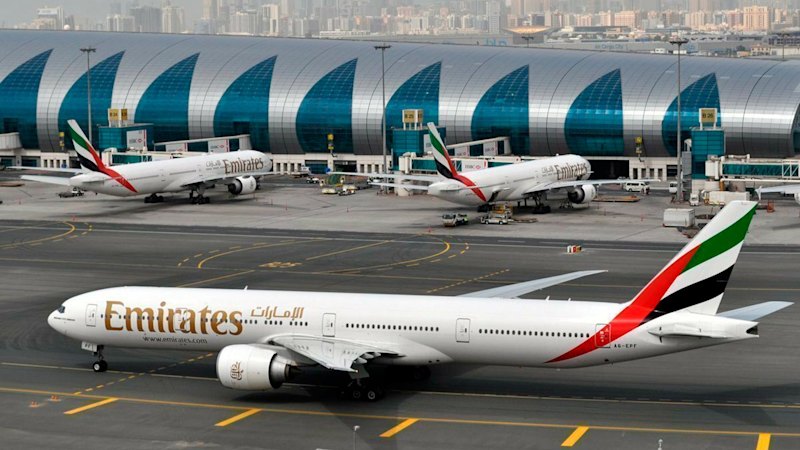
The Australian government has recently announced significant changes to travel advisories for key Middle Eastern destinations, specifically Dubai and Abu Dhabi. This decision aims to ease travel difficulties for Australian holidaymakers planning trips to Europe, allowing for smoother access to travel insurance for flights connecting through these cities.
Travel Advisory Changes
The Department of Foreign Affairs and Trade has downgraded the travel advice for both the United Arab Emirates (UAE) and Qatar from its highest Level 4 (“Do Not Travel”) to Level 3 (“Reconsider your need to travel”). This transition follows a new peace agreement between the United States and Iran, which alleviates tensions in the Gulf region. The modified advisory is expected to restore confidence in air travel among Australians, especially during the peak summer season in the northern hemisphere.
With most insurance providers previously refusing coverage for flights passing through the Gulf due to heightened risks associated with the Level 4 advisory, the shift to Level 3 is pivotal. This change not only opens up essential aviation routes for major airlines like Emirates and Qatar Airways but also reassures travelers that they can secure necessary travel insurance while planning trips.
Impact on Travel Industry
The months-long conflict in the region had significantly disrupted travel plans, leading to rerouted flights and widespread cancellations, affecting hundreds of thousands of passengers. The uncertainty also devastated the business of international tour operators and tarnished the reputation of Dubai and Doha, once marketed as stable transit hubs for Australian travelers. The previous level of travel warning prompted travelers to leave if it was safe and advised against any travel unless absolutely necessary. With the warning now at Level 3, the focus is on advising travelers to check insurance coverage instead.
Cinzia Burnes, a board member of the Australian Travel Industry Association, remarked on the long-overdue nature of this downgrade, emphasizing that Australia was among the last nations to maintain such a restrictive travel advisory.
Future Implications for Travelers
As the advisory shifts, there is optimism within the travel industry about an uptick in bookings to Europe this summer. Insurers are expected to become more accommodating, which could encourage travelers who had previously hesitated to make their plans. The new advisory may also open up avenues for increased tourism between Australia and the Middle East hubs.
Travel expert Brett Mitchell, from Intrepid Travel, expressed that any move toward peace is beneficial, not just for the region but for global travel overall. As the situation continues to evolve, there’s hope that government advisories will keep pace with real-time conditions on the ground, ensuring travelers are informed and secure.
The changes in travel advisories are a clear signal of improving relations and stability in the Middle East, paving the way for renewed global travel accessibility. With the aviation corridors now reopening, Australian travelers can look forward to a future with fewer obstacles in their journeys through crucial Middle Eastern hubs.