
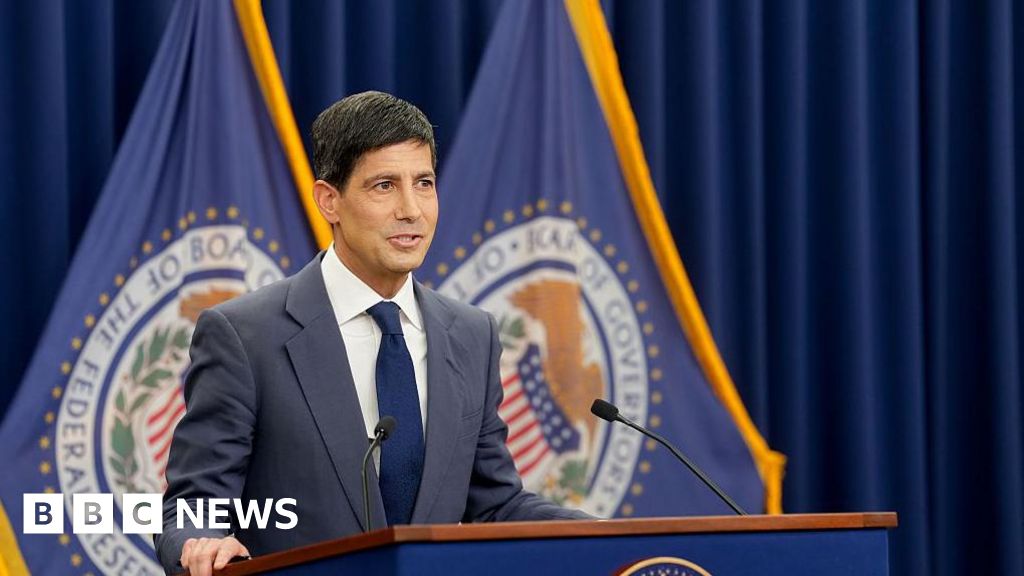
The recent meeting of the Federal Reserve marked a significant moment as Kevin Warsh took the reins as the new head of the central bank. With the decision to maintain interest rates in the range of 3.5% to 3.75%, stakeholders are eager to analyze the implications of this policy and the strategic direction under Warsh’s leadership.
The Implications of the Rate Hold
The Federal Reserve’s decision to keep interest rates steady signals a cautious approach amid fluctuating economic conditions. By maintaining rates, the central bank aims to support growth while keeping inflation in check. Economists and market analysts are closely watching how this decision will impact consumer behavior, business investment, and overall economic stability.
Keeping the rates at this level suggests that Warsh prioritizes a balanced approach to monetary policy. His leadership is being closely scrutinized, as many believe that his decisions could significantly shape the economic landscape in the coming months. The central bank’s objectives now revolve around fostering economic growth without igniting inflation, which remains a critical concern for policymakers.
Kevin Warsh’s Vision for the Fed
Taking over a pivotal role, Kevin Warsh has a reputation for his pragmatic approach to economics and financial policy. His views on monetary policy are shaped by a nuanced understanding of economic indicators and historical contexts, which informs the Fed’s decisions. His leadership style is expected to bring a blend of traditional and innovative strategies as the Federal Reserve navigates complex economic waters.
Experts anticipate that Warsh may advocate for more transparency and communication from the Fed. By clearly articulating its intentions and policy decisions, the central bank could enhance public trust and foster better economic confidence among consumers and investors alike. This transparency may play a critical role in shaping market expectations and influence long-term economic performance.
Investor Reactions and Market Outlook
Following the Fed’s announcement, investor reactions have been nuanced. Financial markets often respond to interest rate decisions with volatility, and this occasion was no different. While some investors welcomed the continuity of rates, others expressed concerns about prolonged low rates potentially leading to asset bubbles. The reaction across sectors highlights the delicate balance the Fed must strike in signaling confidence without inciting undue risk.
As Warsh leads the central bank, the outlook will likely hinge on economic data, inflation rates, and labor market dynamics. Investors will scrutinize subsequent Fed communications and economic indicators closely, which will play a crucial role in shaping their strategies moving forward. The navigation of these economic challenges will be instrumental in determining Warsh’s success or failure in his new role.
In summary, Kevin Warsh’s initial meeting as head of the Federal Reserve is a significant chapter in the ongoing narrative of U.S. monetary policy. By maintaining interest rates at 3.5% to 3.75%, the Fed demonstrates a cautious approach aimed at promoting economic stability. The coming months will see how Warsh’s strategies and vision will influence not only market reactions but also the broader economy. Stakeholders will undoubtedly keep a watchful eye on the Fed’s decisions as they unfold.