
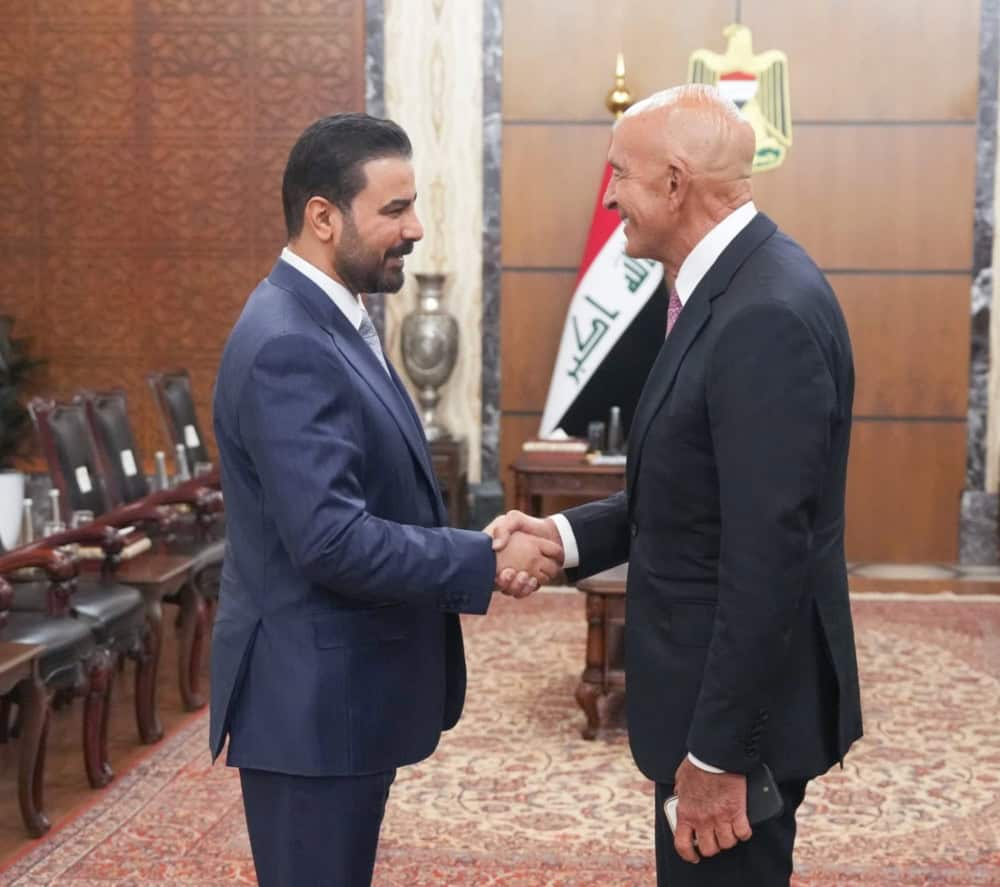
US Envoy to Iraq and Syria, Tom Barrack, recently met with Iraqi Prime Minister Ali al-Zaidi on June 15 to discuss the enhancement of relations between Baghdad and Washington. This dialogue comes as the U.S. urges Iraq to disband Iranian-backed militias and precedes an anticipated visit by Zaidi to Washington in July. The discussions center around issues of stability in the region, military disarmament, and economic partnerships.
Strengthening U.S.-Iraq Relations
During the meeting, both Barrack and Zaidi addressed Iraq’s plans for disarming armed groups, a significant step towards stabilizing the nation. Despite several Iranian-backed militias recently indicating their willingness to submit to state authority and surrender their weapons, major factions remain defiant. The U.S. Embassy in Baghdad emphasized that President Biden is eager to welcome Prime Minister Zaidi to the White House, marking a potential turning point in U.S.-Iraq relations. The outcome of this dialogue could further influence the trajectory of U.S. policies in the region.
Concerns Over Iranian Influence
In light of ongoing tensions, particularly involving Iranian-backed militant groups, the discussions have raised concerns about Iran’s continued aggression, particularly against Kurdish dissidents. A recent drone attack on a Kurdish Iranian opposition group underscores the persistent threat from Iran, reflecting a broader struggle for influence in Iraq and the surrounding area. Such incidents complicate any potential peace agreement between the U.S. and Iran, as groups like Kataib Hezbollah (KH) have expressed that a deal would not eliminate conflicts in Iraq.
Iraq’s Energy Sector and Regional Stability
Additionally, energy negotiations were a key topic during Barrack’s visit. Talks focused on enhancing Iraq’s energy infrastructure, including plans for the rehabilitation of a critical oil pipeline connecting Kirkuk to Syria and discussions to renew oil export arrangements with Turkey. These energy partnerships are essential not only for Iraq’s economic recovery but also as a stabilizing factor amidst fluctuating regional dynamics. The U.S.’s involvement in Iraq’s energy sector could herald a more robust economic relationship going forward.
The Future of Kurdish Relations
After his meetings in Baghdad, Barrack traveled to Iraq’s Kurdistan Region to engage with local leaders. His visit coincided with discussions involving Mazloum Abdi, the commander of the Syrian Democratic Forces (SDF). Despite reports indicating a positive atmosphere, no concrete decisions emerged from these discussions. The U.S. commitment to the Kurdistan Region remains crucial, particularly as Kurdish issues continue to influence broader geopolitical dynamics in neighboring Syria.
Challenges Ahead
While efforts to disarm Iranian-aligned militias are underway, the complexities of Iraqi politics pose significant challenges. Calls to extend disarmament policies to the Kurdistan Region’s Peshmerga forces may further complicate alliances within Iraq. Leaders from the Kurdistan Region, including Masoud Barzani, have reinforced their historical significance and resistance to changes in their military posture, indicating potential friction in future negotiations.
As the U.S. continues to navigate these multifaceted relationships, the interplay between regional security, energy strategies, and the power dynamics of armed groups will shape the future of American involvement in Iraq. The upcoming visit by Prime Minister Zaidi to Washington could serve as a pivotal moment, setting the tone for the partnership between the two nations in addressing mutual interests and regional stability.