
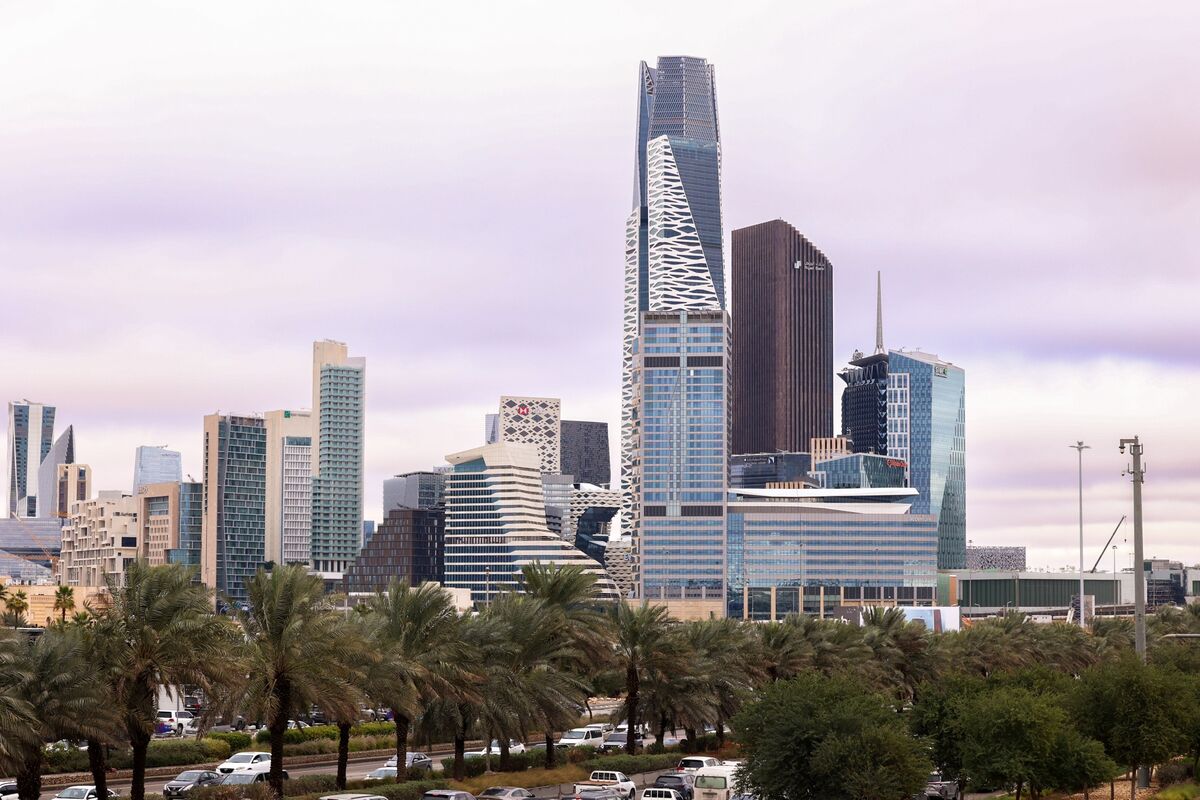
In recent months, there has been a significant uptick in interest surrounding district cooling projects in the Middle East. Specifically, two major transactions involving sovereign wealth funds in Saudi Arabia and Qatar are progressing. This development underscores a robust appetite among investors for infrastructure assets in the region, even amidst prevailing geopolitical tensions.
Emerging Trends in District Cooling Investments
District cooling represents an efficient solution for air-conditioning at scale, serving multiple buildings from a centralized cooling facility. This method not only reduces energy consumption but also cuts greenhouse gas emissions. As cities in the Gulf region continue to grow, the demand for reliable and eco-friendly cooling methods has never been more critical. The progress of these two transactions signifies a larger trend where institutional investors see long-term value in sustainable urban infrastructure.
Investor Confidence in Middle Eastern Markets
Despite various challenges, including geopolitical uncertainties in the region, sovereign wealth funds remain optimistic about investments in district cooling systems. The financial backing of these transactions highlights a commitment to enhancing energy efficiency while catering to the rising population in urban centers. In particular, the involvement of state-backed funds exemplifies the strategic importance of developing sectors that promise not only financial returns but also social benefits via improved infrastructure.
Long-Term Vision for Sustainable Development
The advancements in these district cooling projects align with broader national visions aimed at transforming and diversifying the economies of Saudi Arabia and Qatar. Both nations are focused on reducing their reliance on oil and gas while investing in sustainable technologies. This transition is vital not just for economic diversification but also for fostering a more sustainable future in the region. By prioritizing investments in infrastructure like district cooling, these countries are making strides toward achieving their long-term goals.
The Future of Infrastructure Investments in the Middle East
As the demand for innovative and sustainable solutions continues to grow, investors may look increasingly toward infrastructure projects in the Middle East. The successful completion of these district cooling transactions could serve as a benchmark for future investments, demonstrating how public and private entities can collaborate effectively. The combination of robust government support and international investor interest can pave the way for more projects, enhancing the quality of life while promoting economic sustainability.
In conclusion, the latest developments in district cooling transactions involving sovereign wealth funds in Saudi Arabia and Qatar signal a bright future for infrastructure investments in the Middle East. Investors are keenly aware of the region’s potential despite existing challenges, highlighting a pivotal moment for sustainable development. As both countries move forward with their transformative agendas, the focus on innovative infrastructure will likely play a significant role in shaping the economic landscape of the Arab world.