
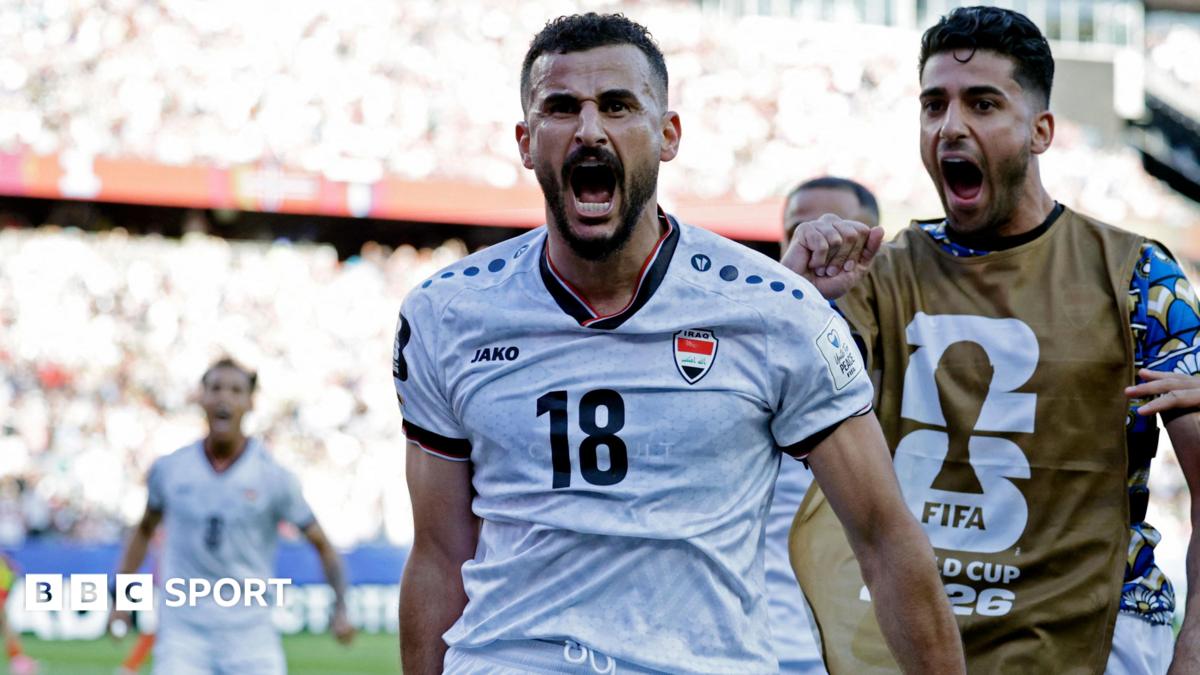
Hussein’s life story is one of resilience, hope, and the unifying power of football. Growing up in a war-torn Iraq, he learned early on that amidst chaos, the beautiful game could bring people together. As a child, he experienced both the joys and horrors of life in his country, with football often acting as a beacon of light.
Triumph Amidst Turmoil
In 2007, the Iraqi national football team’s unexpected victory in the Asian Cup became a pivotal moment for a country in distress. This win was celebrated by thousands, allowing people to momentarily forget their struggles and instead focus on joy and pride. The journey to that victory was anything but easy: the team, composed mainly of semi-professional players, had to train outside Iraq, particularly in Jordan, due to escalating violence and security concerns at home. Each goal scored carried the weight of a nation yearning for unity and hope, yet the joy was often tinged with tragedy.
The shock of their semi-final victory over South Korea was overshadowed by a heartbreaking suicide bombing that targeted jubilant fans in Baghdad, claiming numerous lives and highlighting the stark reality that lingered even in moments of joy. Such incidents served as a reminder that the shadows of violence were never far behind during celebrations.
Personal Loss and Sacrifice
Hussein’s journey was profoundly shaped by personal loss. By the time he reached the age of 12 in 2008, he had already faced immense tragedy. His father, a soldier in the Iraqi army, was killed by al-Qaeda while shopping for home-building supplies. This loss left a deep impact on Hussein and his family, scraping away at any remaining sense of normalcy. The instability continued to plague his family, leading to the kidnapping of his older brother years later. With no word of his brother’s fate, Hussein’s childhood was marred by uncertainty and sorrow.
Faced with these challenges, Hussein felt the weight of obligation to his family. He contemplated quitting football to take care of them, yet his mother urged him to pursue his dreams. Her support became crucial as he followed his passion for the sport, dedicating himself to achieving what few in his country could—guiding Iraq to their first World Cup appearance since 1986.
A Rocky Road to the World Cup
As Hussein prepared for the World Cup, fate once again tested him. Welcoming opportunities often came with hurdles, such as his detainment at Chicago’s O’Hare airport, where he was questioned for nearly seven hours upon arriving in the U.S. Though his entry was eventually approved, it was a reminder of the many challenges athletes from conflict zones face on their journey to prominence. Tragically, not everyone on his team had the same fortune—team photographer Talal Salah was denied entry.
The chance to take the field in the World Cup was not just a personal triumph for Hussein but a proud moment for a nation. When he scored against Norway, it symbolized not just athletic success but offered a moment of hope and pride to a people enduring ongoing adversity. As he celebrated the goal, he carried not only his ambitions but also the dreams and memories of those who had come before him, solidifying his role as a beacon of hope for Iraqi football and beyond.