
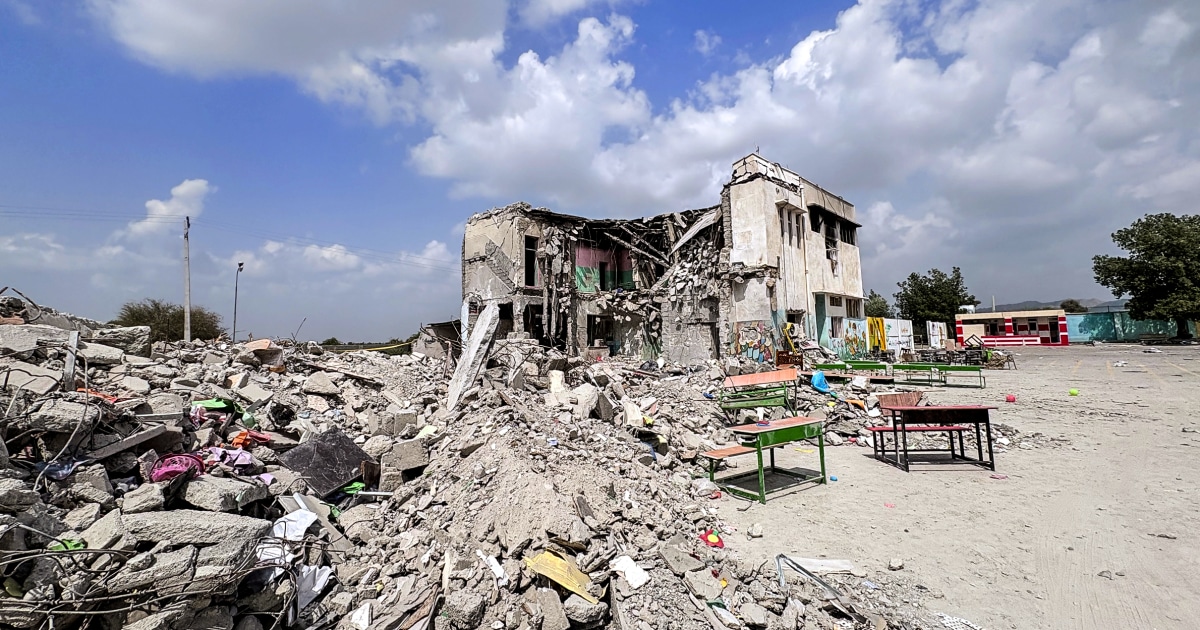
In light of a recent investigation into a tragic airstrike on an Iranian elementary school, senior U.S. military officials are preparing to present their findings to Congress. This controversial incident, which resulted in the deaths of over 170 individuals—many of them children—has raised alarm among lawmakers concerned about potential classification of the report, thereby limiting public access to information.
The Investigation’s Status and Concerns
The U.S. Central Command (CENTCOM) has concluded the investigation, yet lawmakers overseeing defense have not been privy to the details or a projected timeline for the report’s release. Those close to the investigation are expressing apprehensions that the results may be classified, thus obstructing clarity regarding this incident. The concern is not just about transparency; it also revolves around accountability in the wake of such significant loss of life.
Previous Accountability Issues
In past military operations where civilian casualties occurred, the Pentagon has generally taken steps to openly acknowledge its involvement. However, if the current investigation into the Iranian airstrike is classified, it would starkly contrast with the Pentagon’s commitments to transparency. Lawmakers, including Democratic Senator Mark Kelly, have indicated they expect attempts to classify the report. Senator Kelly’s remarks echoed widespread skepticism within Congress about the administration’s willingness to be open about its military actions.
The Tragic Strike
Notably, this airstrike took place on the first day of the ongoing conflict and targeted the Shajareh Tayyebeh elementary school in Minab. Media reports indicate that preliminary findings suggest outdated intelligence could have contributed to the decision to strike this location, with U.S.-made munitions likely being responsible. The loss of innocent life in such attacks has historically prompted significant scrutiny over military operations, including calls for better oversight and accountability in future engagements.
AI in Target Selection and Future Implications
As Congress seeks more information, lawmakers specifically raised questions about the role artificial intelligence might have played in this targeting decision. Their inquiries included whether AI systems like the Maven Smart System contributed to identifying the school as a target and if there was any human verification in that process. Such questions highlight the need for further discussions on the ethical implications of using advanced technologies in military operations.
Ultimately, transparency concerning this investigation is crucial for addressing public trust in the military and government. As stakeholders await the findings, the hope remains that accountability will be prioritized and that lessons will be learned to prevent similar tragedies in the future. The outcome will not only reflect on this specific incident but also shape the broader dialogue around military ethics and the responsibility of government officials in warfare.