
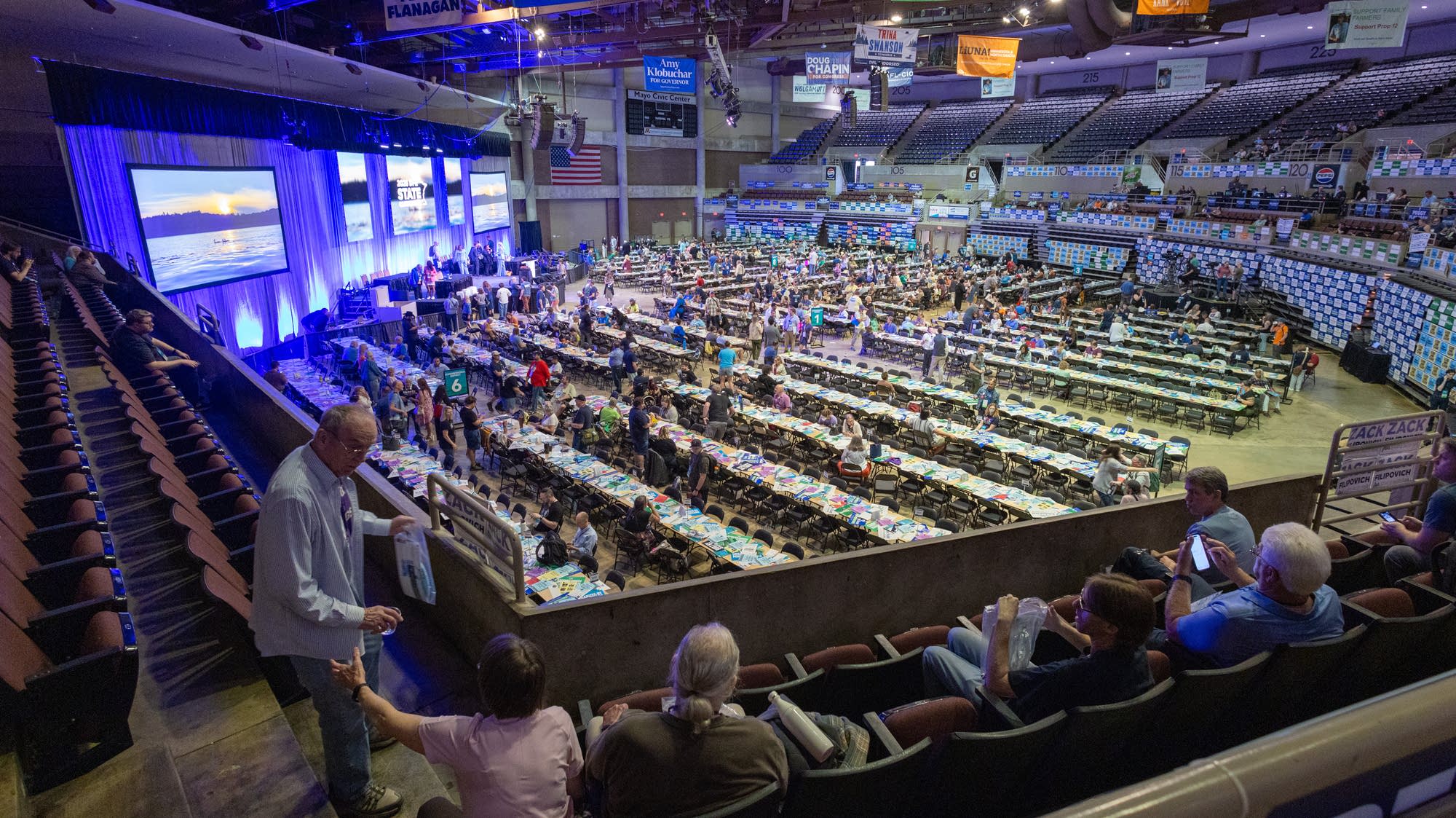
Support for Israel has been a contentious issue in the United States, particularly in light of ongoing military actions in Gaza, Lebanon, and other regions. Recently, significant shifts in public opinion have emerged, highlighting a growing wave of skepticism among Americans. This was notably evident at the Minnesota Democratic–Farmer–Labor (DFL) convention held last month.
Shifting Public Perception
A notable decline in unwavering support for Israel has captured the attention of political analysts and the general public alike. Recent surveys indicate that a substantial section of Americans is beginning to question the long-standing tradition of unconditional backing for Israel in its conflicts. Factors such as civilian casualties in military operations, humanitarian crises, and increasing visibility of Palestinian perspectives have been pivotal in shaping these opinions. The changing dynamics reflect a broader reevaluation of foreign policy priorities within the electorate, signaling a potential shift in how American leaders may approach Middle Eastern conflicts moving forward.
Political Implications
The implications of this shift are substantial for political parties, particularly the Democrats. During the Minnesota DFL convention, discussions surrounding Israel and Palestine showcased a spectrum of views among party members. Some advocated for a more balanced approach, emphasizing humanitarian concerns and the need for diplomatic solutions over military support. This debate underscores a larger trend within the Democratic Party, where progressive voices are increasingly urging a rethinking of traditional alliances. Politicians may need to realign their platforms to resonate with constituents who are calling for a foreign policy that emphasizes human rights and justice, rather than solely geopolitical considerations.
Grassroots Movements and Advocacy
Grassroots movements advocating for Palestinian rights and increased scrutiny of Israeli actions are gaining momentum across the United States. From college campuses to community organizations, activists are mobilizing to educate the public and influence policy decisions. Their efforts have brought attention to issues such as human rights abuses and the impact of military operations on civilian populations, fostering a more informed dialogue around the Israeli-Palestinian conflict. This rising activism not only challenges existing narratives but also reflects a significant shift in how younger generations view the complexities of international relations.
Impact on Future Foreign Policy
As public sentiment continues to evolve, the future of U.S. foreign policy towards Israel and Palestine may also transform. Lawmakers could be compelled to adopt more nuanced positions that account for human rights and humanitarian needs, promoting negotiations and peaceful resolutions. Should this trend persist, it may lead to a recalibration of the United States’ historical role as a staunch ally of Israel—a shift that would have profound implications for peace efforts in the region.
In conclusion, the diminishing support for Israel among the American populace reflects deeper questions about U.S. foreign policy and its moral implications. The growing scrutiny of military actions, combined with rising grassroots advocacy, signifies a pivotal moment in the discourse surrounding Israel and Palestine. As public opinion continues to evolve, both political leaders and grassroots movements must navigate this complex landscape, focusing on solutions that prioritize peace, justice, and human rights for all parties involved.