
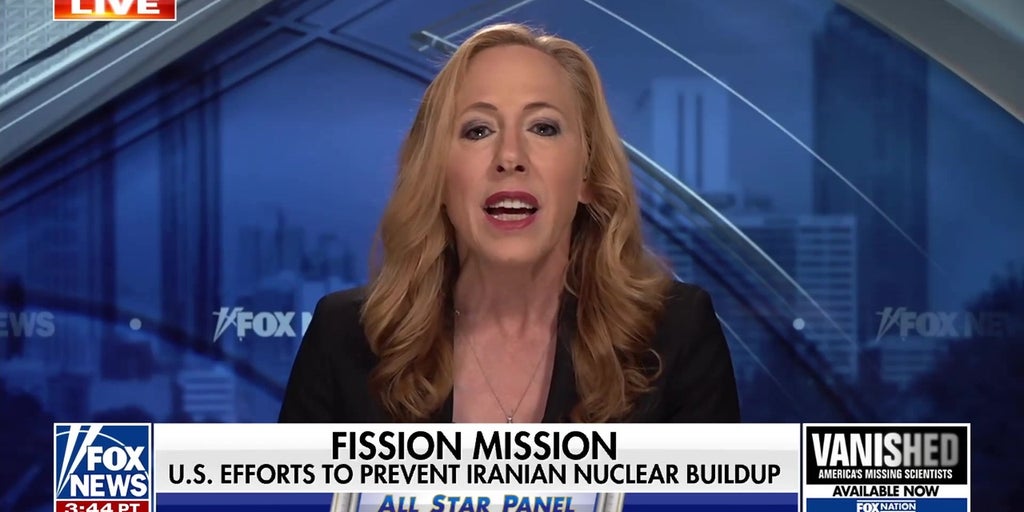
In the ongoing discourse surrounding international relations, the U.S.-Iran agreement has faced sharp criticism, particularly from commentators like Kimberley Strassel. This Fox News contributor articulates concerns about the potential ramifications of the deal, emphasizing that it may inadvertently empower the Iranian regime rather than restrain its actions.
The Economic Impact of the U.S.-Iran Deal
Kimberley Strassel argues that the negotiated deal would grant Iran substantial economic benefits. With immediate relief from sanctions and the lifting of the oil embargo, Iran stands poised to revitalize its struggling economy. Strassel contends that this could occur precisely at a moment when the Iranian government is perceived to be at its weakest. By enhancing its financial standing, the regime may gain the ability to fund its activities more robustly, which could undermine regional stability.
Risks of Strengthening a Weak Regime
Strassel raises a critical point regarding the irony of the situation: while the Iranian regime may appear vulnerable, financial assistance could enable it to regain strength. By relinquishing economic leverage, the U.S. could be inadvertently allowing Iran to reclaim its footing. The implications of this power shift could have far-reaching effects, not just for U.S.-Iran relations, but also for the broader Middle Eastern landscape. Strengthening Iran could embolden its resolve and aggressiveness in regional affairs, which is a troubling prospect for countries neighboring Iran.
Concerns Over Policy Decisions
The decision to engage in this agreement suggests a willingness to compromise on key negotiating positions that might otherwise keep Iranian ambitions in check. Strassel emphasizes the importance of maintaining a robust negotiating stance, as relinquishing economic sanctions reduces the pressure on Tehran to alter its behavior. This approach risks sending a message that the U.S. is more interested in diplomatic gestures than meaningful progress. As a result, the potential for further destabilization in the region looms large.
Conclusion: Rethinking U.S. Strategy
In light of these concerns, Kimberley Strassel encourages a reevaluation of the current strategy regarding Iran. Policies should be crafted that take into account not only the short-term gains that might arise from easing economic restrictions but also the long-term ramifications of empowering a regime that has historically challenged U.S. interests and threatened regional allies. Understanding these complexities can lead to more informed decision-making that might better serve both U.S. and international security interests. The stakes are high, and as the debate unfolds, it is crucial to tread carefully in matters that can dramatically alter the geopolitical landscape.