
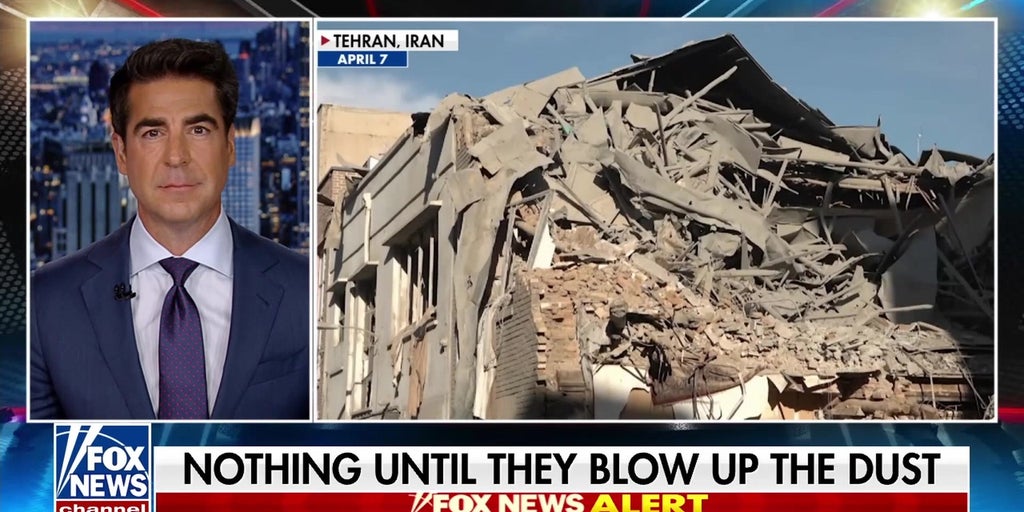
In recent discussions, Fox News host Jesse Watters has delved into the implications of the peace agreement between the U.S. and Iran. This agreement not only aims to stabilize relations but also has far-reaching effects on global oil markets and regional security.
Significance of the U.S.-Iran Peace Agreement
The recent peace deal negotiated by the Trump administration has garnered attention due to its immediate benefits. One of the most significant outcomes has been a noticeable decline in oil prices, a welcome relief for consumers and industries reliant on stable fuel costs. By easing tensions, the agreement has facilitated smoother trade channels, particularly through the vital Strait of Hormuz, a key artery for oil transportation. The Strait is essential for global energy supplies, and any disruption there can lead to substantial spikes in oil prices, affecting economies worldwide.
Financial and Military Implications for Iran
Iran, facing severe financial and military challenges, finds itself at a crossroads due to this agreement. The country has been struggling with sanctions that have crippled its economy, limiting its ability to engage in global markets effectively. With the recent deal emphasizing compliance, Iran faces the specter of renewed sanctions should it fail to adhere to the stipulated terms. As a result, the agreement serves not only to bolster economic relations but also to apply pressure on Iran to conform to international expectations. This dynamic could change the landscape of geopolitical relations in the Middle East, influencing not only Iran’s behavior but also that of neighboring countries.
Enhancement of Global Trade
The peace deal opens new avenues for international trade, promoting a more stable environment for businesses to operate. With increased cooperation between the U.S. and Iran, trade routes through the Strait of Hormuz could become more active, benefiting countries that rely on oil shipments. This increased flow of trade may also lead to job creation and economic growth in various sectors. Moreover, the lessening of conflicts can encourage other nations to explore collaborative ventures, leading to a more interconnected global economy.
Future Prospects and Stability
Looking ahead, the outcomes of the U.S.-Iran peace agreement carry significant implications for regional stability and international relations. If both nations can maintain cooperation and commitment to the accord, there might be opportunities for further diplomatic engagements. This could ultimately result in a more peaceful Middle East, where nations prioritize dialogue over confrontation. The potential for a more stable oil market may also foster better relationships among energy-dependent countries, enhancing global energy security.
In sum, the peace agreement between the U.S. and Iran is much more than a diplomatic settlement; it is a potential turning point that could redefine economic relations and security in the Middle East. Through lower oil prices and revitalized trade in the Strait of Hormuz, the deal not only stands to benefit the U.S. and Iran but also holds promise for a more stable international landscape. The coming months will be crucial in determining whether this agreement can withstand challenges and promote a lasting, positive impact on the region.