
The anticipated talks between the United States and Iran, aimed at enforcing a 14-point agreement to conclude their ongoing conflict, have been unexpectedly canceled. The announcement came from Switzerland’s foreign ministry, leaving many questioning the trajectory of diplomatic efforts in the region.
Background on the Canceled Talks
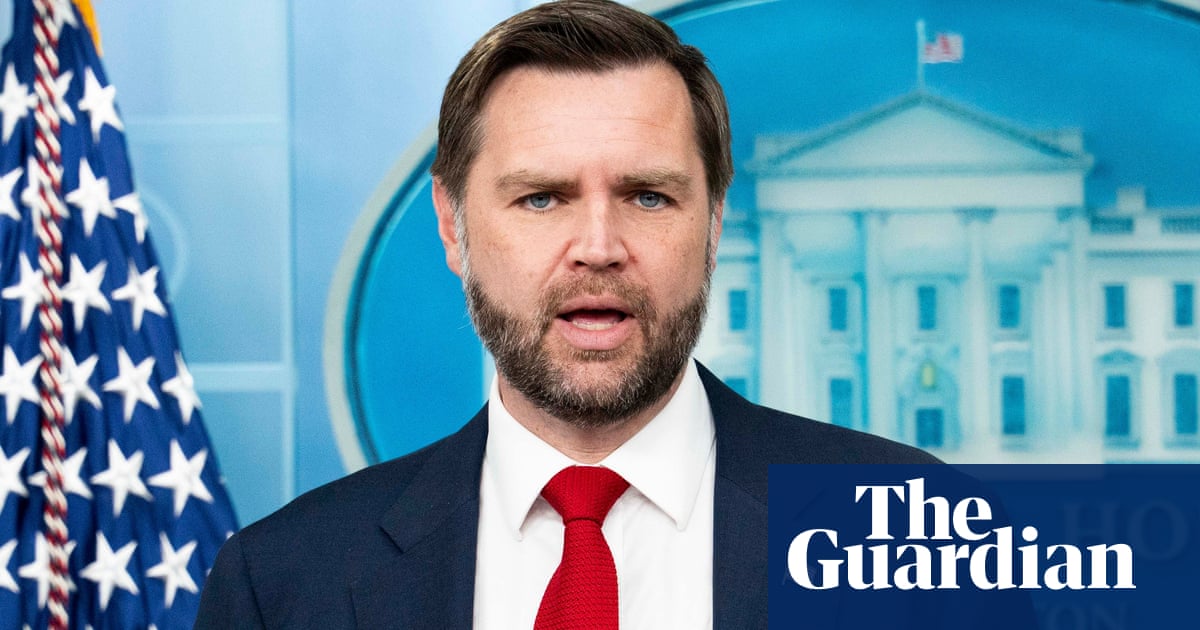
Originally scheduled to occur in the Swiss village of Obbürgen, the discussions were set to begin just two days after a significant memorandum of understanding (MOU) was signed. This MOU initiated a 60-day timeframe for negotiating a more permanent solution regarding Iran’s nuclear ambitions and aimed to facilitate oil transit through the strategically vital Straits of Hormuz. The White House expressed eagerness to initiate technical discussions as soon as possible, though a key figure in the negotiations, JD Vance, was announced to have canceled his travel plans.
In a statement late Thursday, a White House spokesperson indicated that logistical challenges had complicated the negotiation process, further delaying progress. Prior to the cancellation, there was already a contingent of White House officials, advance teams, and media assembled in Switzerland, prepared for Vance’s arrival. The abrupt nature of the talks’ cancellation caught many by surprise, indicating that uncertainties remain in the diplomatic sphere.
Iran’s Position and Regional Implications
Iran’s supreme leader, Ayatollah Mojtaba Khamenei, had given his reluctant approval of the MOU, signaling cautious optimism despite underlying reservations. However, Iranian officials were clear that they expected to see demonstrable actions from the U.S. in honoring the terms of the interim agreement before committing to further negotiations. Reports indicated that Iran’s delegation was still deciding whether to proceed to Geneva for talks, reflecting the complexity of their position amid regional instability.
The cancellation also coincided with reports from Al-Mayadeen, a media outlet aligned with Iran’s Hezbollah, suggesting that Iran was hesitant to send its representatives due to ongoing military operations by Israel in Lebanon. The Israeli government had maintained its military presence in the region, conducting airstrikes and alleging violations of ceasefire agreements by Hezbollah. As conflict escalated in Lebanon, Hezbollah claimed responsibility for damaging Israeli military equipment, highlighting the rising tension along the ever-fragile borders.
The Broader Diplomatic Landscape
The tension in the region is not limited to immediate military conflicts; it intertwines with broader geopolitical dynamics, including the potential for a significant shift in U.S.-Iran relations. Iran’s chief negotiator, Mohammad Ghalibaf, emphasized the seriousness with which Tehran would regard any violations of the agreement, indicating that such behavior would elicit a stern response. As discussions falter, the humanitarian impact of the conflict grows increasingly severe, with thousands already impacted by ongoing hostilities.
In a statement that resonated through the diplomatic community, Khamenei remarked that the U.S. might find its demands unacceptable, especially if they threaten Iran’s core interests. The MOU outlines key stipulations for both parties, including financial commitments and a timeline for nuclear negotiations. Experts worry that any miscalculation could derail fragile progress towards peace, disrupting energy markets and escalating humanitarian crises across the region.
As the situation develops, the international community watches closely, seeking insight into whether peace can be achieved. The future of the U.S.-Iran negotiations hangs in the balance as both sides assess their positions in an increasingly convoluted landscape. Diplomatic overtures need careful navigation, as the stakes remain exceedingly high for all parties involved.