
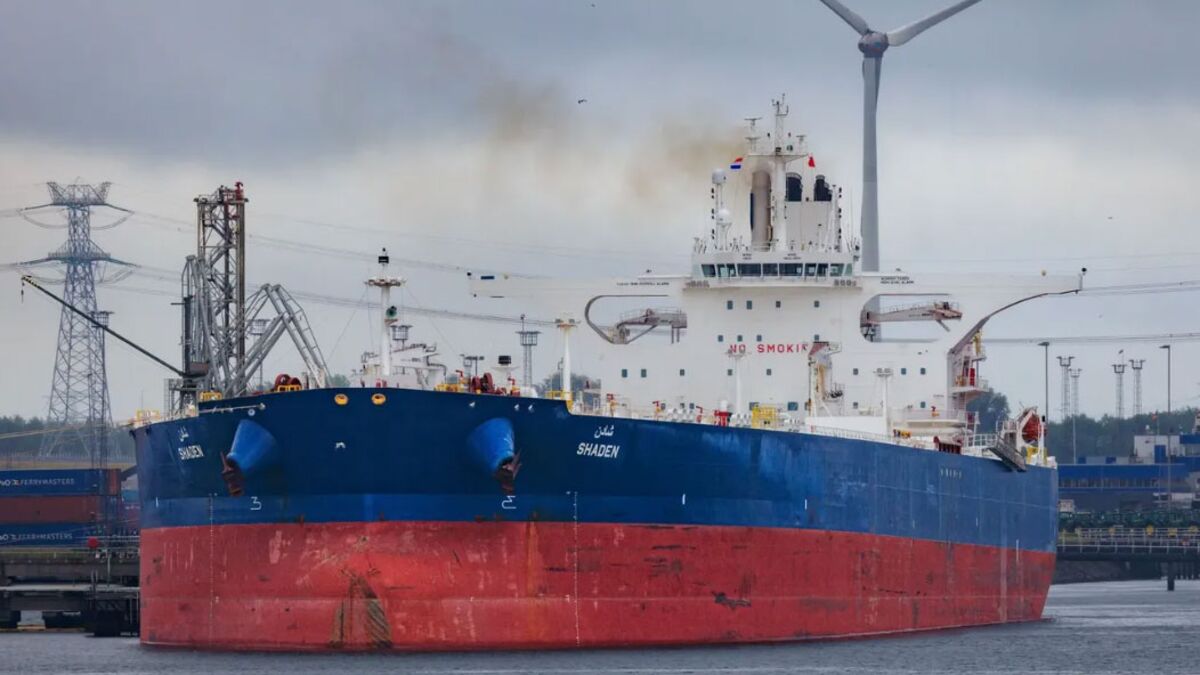
The recent interim US-Iran peace agreement is sparking notable changes in international trade routes, particularly in the oil and gas sector. Vessels traversing the Strait of Hormuz, a critical maritime passage for petroleum trade, are beginning to resume operations. This development reflects an essential shift in the dynamics of the region, potentially signaling a new era for the shipping industry.
Increased Maritime Activity in the Strait of Hormuz
The Strait of Hormuz is a pivotal chokepoint for global oil shipments, with approximately 20% of the world’s oil passing through this vital corridor. In the wake of the peace deal between the United States and Iran, shipping activities have started to rise. Notably, vessels belonging to Saudi Arabia’s state-owned oil company are among those navigating the strait. This marks a significant change in the operational climate and has the potential to alter trading patterns.
With a reduced risk of conflict in the region, shipping companies are more inclined to utilize this route, which offers direct access to key markets in Asia and beyond. The resumption of maritime routes is a critical indicator of increased confidence among ship owners, allowing them to engage more freely in important transactions without the looming threat of military confrontation.
Impact on Global Oil Prices
The reactivation of shipping operations through the Strait of Hormuz could have substantial implications for global oil prices. A more stable shipping environment may lead to lower transportation costs and increased supply, both of which are favorable for consumers and industries reliant on oil. Analysts predict that with greater access to oil transportation, prices may stabilize or even decline, benefiting economies that have struggled with fluctuating oil costs.
Conversely, the situation remains fluid, and any sudden escalations in tensions could quickly disrupt this fragile stability. Stakeholders in the oil market are keeping a close watch on diplomatic developments and regional security dynamics, which could lead to significant shifts in pricing and supply chains.
Challenges and Uncertainties Ahead
Despite the positive developments linked to the US-Iran agreement, challenges persist. The region remains complex, with various geopolitical factors at play that can trigger sudden instability. For instance, the interests of other nations, the influence of non-state actors, and long-standing rivalries could complicate efforts toward maintaining peace and ensuring safe navigation.
Maritime security will continue to be a crucial concern for shipping companies as they navigate these uncertain waters. Firms will need to invest in enhanced safety protocols and remain agile in response to any emerging threats. Additionally, insurance markets for shipping will likely adjust based on evolving risk assessments, which may also affect operational costs.
Looking Ahead: Future of Shipping in the Gulf
The implications of increased shipping activity through the Strait of Hormuz extend beyond immediate economic considerations. This renewed flow of oil and gas vessels is indicative of a broader shift towards diplomatic engagement in the region. As stakeholders explore opportunities for collaboration and investment, the potential for stability may improve, fostering an environment conducive to long-term economic growth.
The outlook for shipping in the Gulf region appears more optimistic than it has in recent years. However, maintaining this positive trajectory will require ongoing dialogue, commitment to peace, and the management of geopolitical tensions that could arise. Ultimately, how well the international community engages with these challenges will play a decisive role in shaping the future of oil and gas trade through one of the world’s most critical maritime arteries.