
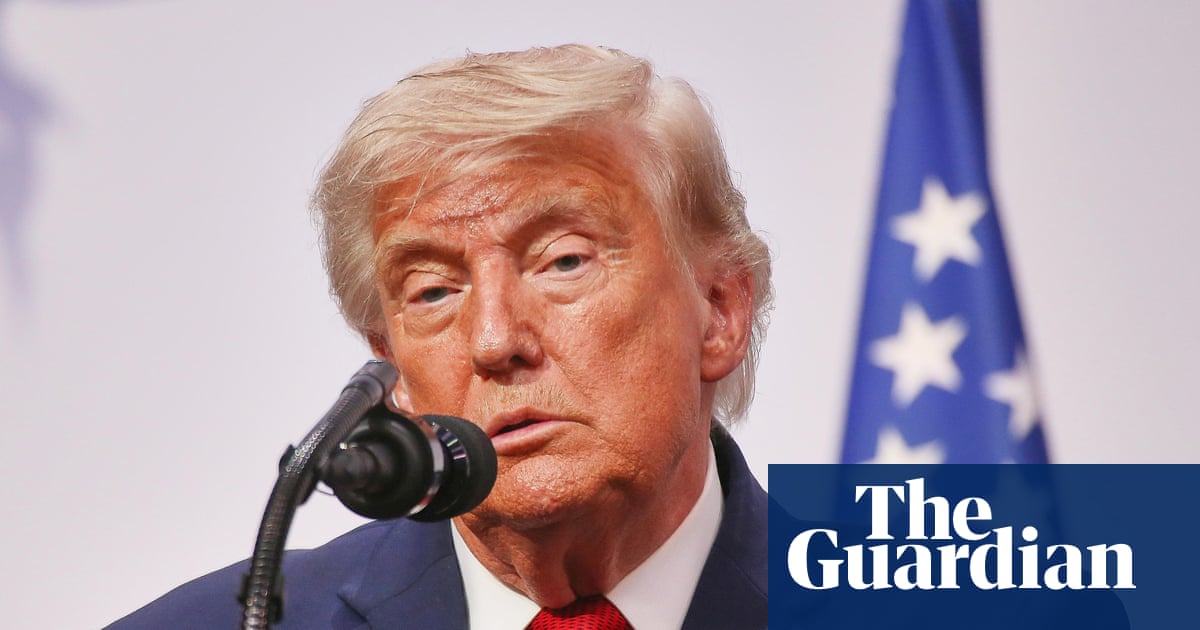
Donald Trump has recently finalized a significant 14-point agreement with Iran, aiming to conclude a conflict that many believe he contributed to initiating. After what he perceives as a successful endeavor in the Middle East, Trump is now refocusing his efforts toward fostering peace in Ukraine. However, the question remains: is achieving peace as straightforward as it seems?
The Complexity of Peace Agreements
Peace agreements, especially in regions as tumultuous as the Middle East and Eastern Europe, are often fraught with complications. The multifaceted nature of these conflicts includes entrenched political divisions, historical grievances, and external influences that can derail even the most well-intentioned diplomatic efforts. Success in negotiations requires not only skilled diplomacy but also a commitment from all parties involved to overcome their differences. Trump’s approach to addressing these complexities will undoubtedly be scrutinized, especially given his history and the polarized responses to his previous foreign policy decisions.
Trump’s Shift to Ukraine
Following his dealings with Iran, Trump appears eager to pivot to Ukraine, recognizing the global ramifications of ongoing hostilities in that region. His decision to engage in diplomacy with Ukraine reflects a broader understanding that stability in Eastern Europe is crucial for international security and economic stability. However, the effectiveness of Trump’s outreach hinges on his ability to navigate the intricate web of relationships between Ukraine, Russia, and Western powers. Trump must balance maintaining strong ties with allies while addressing the concerns of the Ukrainian government and its people.
Experts Weigh In
Jenna Amatulli recently spoke with Andrew Roth from The Guardian, who shared insights into the potential success of Trump’s peace initiatives. Experts note that while Trump’s agreement with Iran was a significant step, the true test will be determining whether he can replicate this success in Ukraine. Roth emphasizes that while peace deals can provide frameworks for resolution, the execution of these agreements is often a daunting challenge. History shows that without genuine commitment from all involved, even the most comprehensive agreements can falter.
The Road Ahead
As Trump transitions his foreign policy focus, the stakes are high. The world watches closely to see if his unique approach to diplomacy can yield tangible results in Ukraine. Critics argue that his previous actions bring skepticism about his ability to foster peace effectively. However, supporters believe that his unconventional style may disrupt entrenched diplomatic norms and encourage innovative solutions to longstanding issues. In either case, the international community remains engaged in the unfolding narrative, hoping for a resolution that can lead to peace and stability.
In conclusion, while Trump’s efforts to mediate peace may look promising on the surface, the road ahead is filled with challenges that will require careful navigation. The dynamics of international relations are complex, and the success of any peace deal will depend on a multitude of factors, including cooperation among conflicting parties and a commitment to resolving underlying issues. Only time will tell if Trump’s diplomatic skills can genuinely achieve lasting peace.