
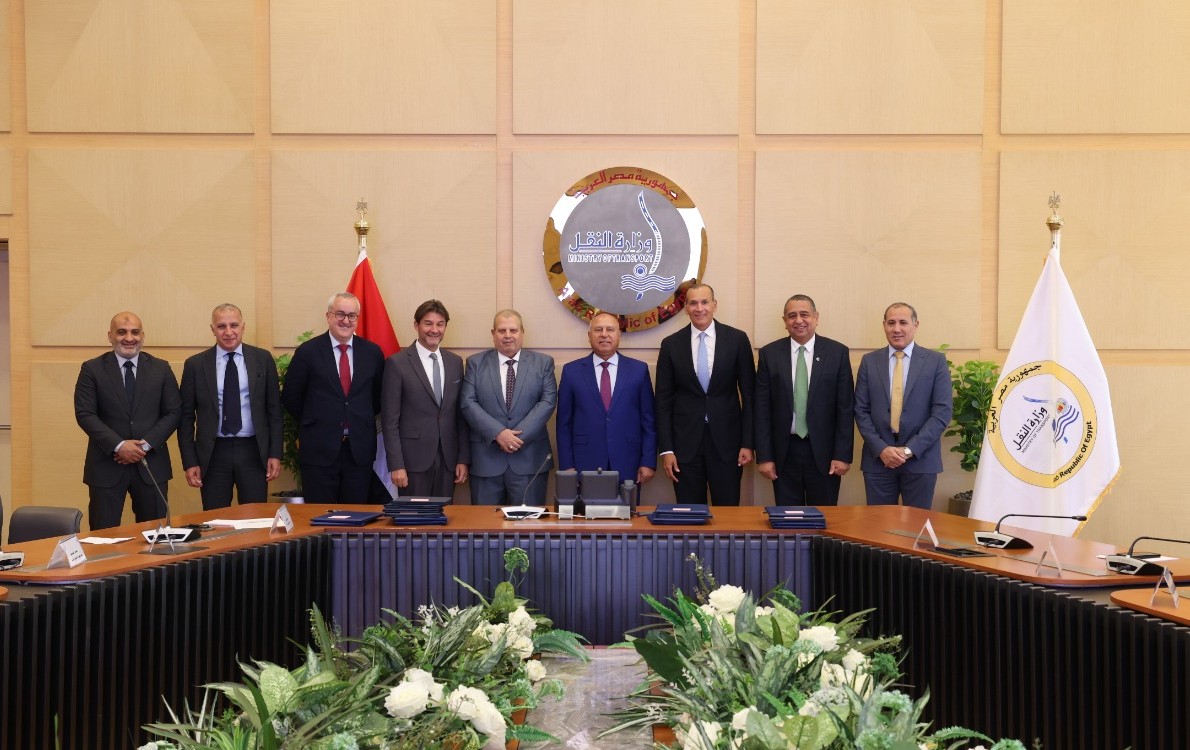
Enhancing freight connectivity in Egypt is crucial for both regional trade and economic growth. Recent initiatives aim to transform operations between the 6th of October Dry Port and Alexandria Seaport, strengthening the rail links to the 10th of Ramadan industrial zone. This upgrade is set to fortify the connections between Egypt’s key logistics hubs and maritime ports.
Improving Supply Chain Efficiency
The advancements in freight operations are essential for alleviating supply chain bottlenecks, supporting sustainable transport methods, and boosting trade flows both nationally and regionally. By making these upgrades, Egypt is taking significant steps towards modernizing its logistical framework, making it more efficient and responsive to contemporary demands.
Commitment to Resilient Rail Networks
The dedication to building smarter and more resilient rail systems in the Africa, Middle East, and Central Asia region has never been stronger. As Martin Vaujour, President of Alstom for the AMECA region, noted, these contracts showcase Alstom’s ability to handle large-scale, intricate signalling projects. The objective is to become a long-term partner in developing critical mobility infrastructure that supports economic growth in the region.
Comprehensive Digital Railway Systems
As the lead of the consortium, Alstom is poised to oversee the comprehensive engineering, design, supply, testing, and commissioning of new digital railway systems along both corridors. This includes the implementation of ETCS Level 1 signalling, advanced telecommunications, fortified power infrastructure, and sophisticated operation control capabilities. These technological advancements will ensure coordinated management across the network in real-time, enhancing overall efficiency.
Local Expertise and Economic Development
Ramy Salah, Managing Director of Alstom Egypt, emphasized that these projects are reinventing the future of rail transport in Egypt. The collaboration with Egyptian National Railways harnesses both global expertise and local talent, creating vital transport corridors that promote economic growth and connect key industrial and logistic centres, thereby unlocking new opportunities for future generations.
Moreover, in conjunction with Rowad Modern Engineering and Concrete Plus, the projects will focus on constructing the necessary technical buildings and upgrading civil and track infrastructure. This initiative also supports national industry development, with a target of achieving around 50% local content through the utilization of Egyptian engineering talent and regional sourcing. This commitment not only bolsters local economies but also ensures that the workforce gains invaluable experience and expertise in the sector.
In summary, the ongoing enhancements in Egypt’s rail infrastructure and freight operations reflect a coordinated effort to modernize logistics and bolster economic connectivity. By bridging important freight corridors and engaging local expertise, these projects promise to revolutionize the landscape of transportation in the region, paving the way for sustained growth and development.