
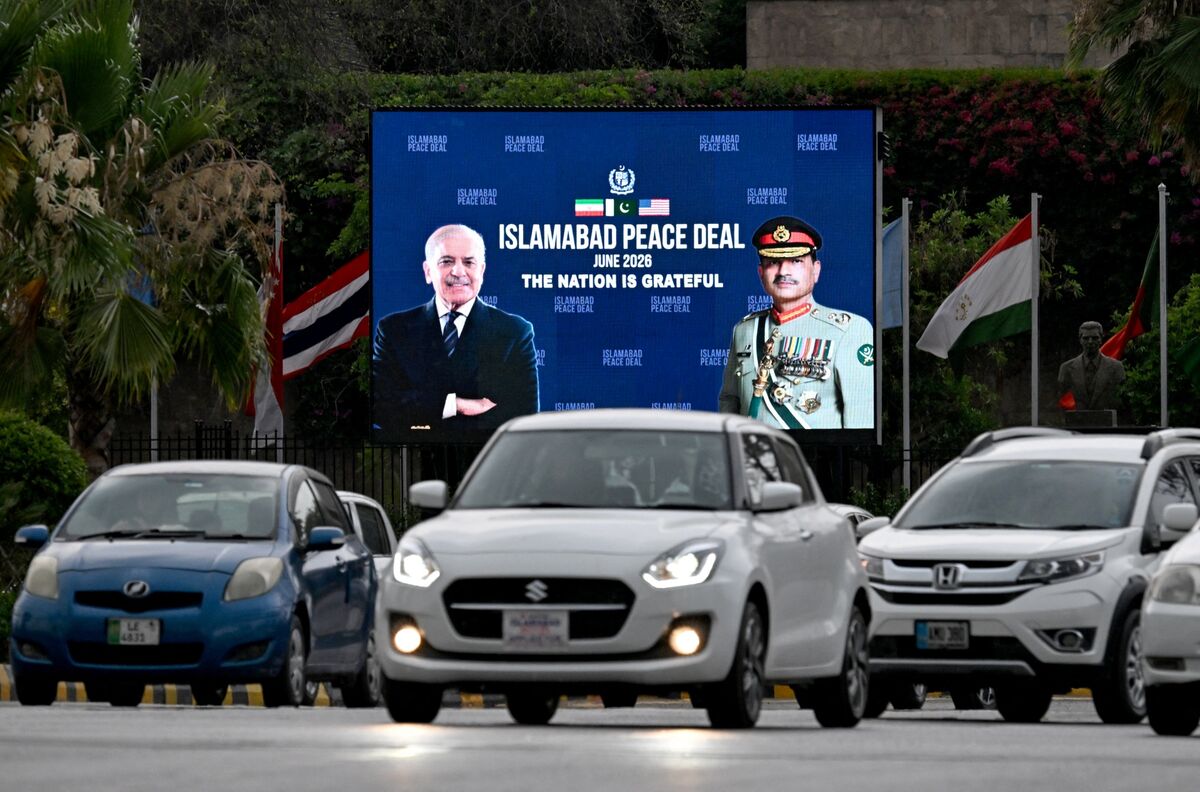
In the wake of the Iran conflict, Pakistan emerged as a crucial player in the push for peace, a role that seemed unexpected yet significant. Under the spotlight, the country found itself navigating complex international dynamics.
The Role of Pakistan in Mediation Efforts
Throughout the nearly four-month duration of the Iran war, Pakistan actively participated in mediation efforts aimed at restoring stability. As violence unfolded, the Pakistani government, led by Prime Minister Imran Khan, took a proactive stance by engaging with both Iranian and American officials. This strategic involvement showcased Pakistan’s commitment to fostering dialogue and understanding among conflicting parties. Khan, recognizing the potential for escalation, emphasized the importance of diplomacy, urging both sides to seek a peaceful resolution.
The Dynamics of International Relations
Pakistan’s unexpected emergence as a mediator highlights the evolving landscape of international relations. Historically viewed through the lens of its ties to China and the U.S., Pakistan’s recent overtures toward Iran signify a broader ambition to position itself as a key player in regional stability. The geopolitical landscape surrounding Pakistan is complex, with long-standing alliances and rivalries impacting its foreign policy choices. By engaging in diplomatic efforts during the Iran conflict, Pakistan is attempting to assert its influence and stabilize its own borders, making it a pivotal actor in South Asian and Middle Eastern affairs.
The Significance of U.S. Support
U.S. President Donald Trump’s acknowledgment of Pakistan’s role further accentuated the country’s newfound visibility on the global stage. The American administration’s encouragement for Pakistan to mediate between Iran and the U.S. illustrated not only a change in U.S. foreign policy but also an expectation for Pakistan to leverage its relationships with both nations. U.S. support has added weight to Pakistan’s diplomatic initiatives, amplifying its voice in negotiations that will determine the future of regional security.
The Future of Pakistan’s Foreign Policy
Moving forward, Pakistan’s involvement in the Iran conflict could redefine its foreign policy trajectory. The ability to facilitate peace talks with Iran aligns with Pakistan’s longer-term goals of regional stability and economic growth. As it navigates this prominent diplomatic role, Pakistan must also consider its internal challenges, including economic stability and security issues. By balancing its international engagements with domestic concerns, Pakistan can work towards enhancing its reputation as a mediator while ensuring the welfare of its citizens.
In conclusion, the role of Pakistan in the recent Iran conflict has illuminated its potential as a key diplomatic player in regional and international politics. Through proactive engagement and strategic alliances, Pakistan is crafting a narrative of peace and stability that could yield long-term benefits for the nation and the broader region.