
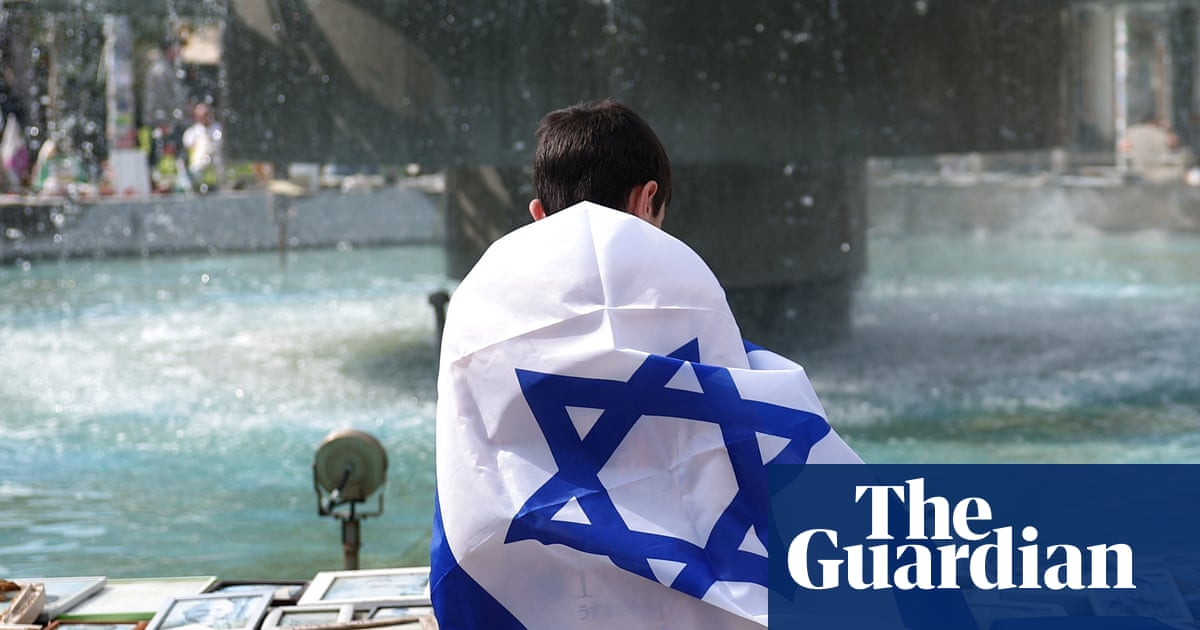
In a bustling brasserie on Herzl Street in Rehovot, Israel, a palpable tension filled the air following a controversial ceasefire deal between the United States and Iran. Patrons gathered not just to enjoy a meal but also to express their concerns about Israel’s precarious geopolitical situation. Many viewed the agreement as a betrayal, particularly criticizing the role of President Trump. As the residents dissected the implications over their meals, it became evident that fear and uncertainty dominated their thoughts.
The Fallout from the Ceasefire Agreement
The ceasefire has only deepened the belief among many Israelis that the country is encircled by threats while left to face them alone. Shaham Nowick, a 35-year-old customer, remarked on the swift transition from the anxiety of seeking shelter from attacks to a façade of normality, arguing that unresolved issues lingered beneath the surface. Evidence of growing unease was reflected in the news cycle, which focused on renewed clashes in Lebanon. After a series of Israeli airstrikes, 18 people were reported dead, arising from Hezbollah’s recent assault that claimed the lives of four Israeli soldiers.
Immediate responses to the U.S.-Iran agreement included harsh criticism from commentators who labeled it a humiliating surrender. Many perceived it not only as a failure of diplomatic strategy but also as an exacerbation of Israel’s already unstable security landscape. Concerns mounted around Hezbollah’s military capabilities, further aggravated by perceptions that the new deal would hinder Israel’s ability to counter this regional threat effectively.
Public Sentiment and Political Reactions
In northern towns like Metulla, close to the border with Lebanon, reactions were intense. Residents expressed frustration at the U.S. deal, viewing it as a detrimental error affecting Israel’s security. Daniel Dorfmann, a local restaurateur, and many others felt solidarity with Israel’s military actions but disapproval toward the political decisions that led to the current state of affairs. There was an overwhelming sentiment that the strategic objectives of the military campaign against Iran and its allies had not only been unmet but had also left Israel politically marginalized.
Public disillusionment has also seeped into the political scene. Prime Minister Benjamin Netanyahu faces heightened scrutiny over his inability to navigate Israel’s political landscape effectively. Once perceived as a staunch leader capable of securing Israel’s interests, he is now battling perceptions of failure, particularly after the traumatic October 2023 Hamas attacks that resulted in significant civilian casualties. The recent war in Gaza, while consolidating territorial control, has drawn international condemnation and increased local frustration.
Israeli Identity and Future Elections
Rehovot is emblematic of the broader Jewish electorate, where sentiment about Netanyahu is mixed. As elections loom, many citizens express anxieties about national security, economic instability, and increasing polarization within Israeli society. Despite the unrest, a strong undercurrent of loyalty remains towards Netanyahu, especially regarding how he confronts Iran. Some patrons at the brasserie reiterated their support, believing he possesses the capability to steer Israel through this crisis.
The upcoming elections are poised to be a turning point for Israel. As public sentiment continues to shift, opposition parties argue that the populace has never felt as divided as it does now. Conversations at the brasserie and elsewhere echo a palpable sense of wariness about both internal and external threats.
In a climate shaped by escalating tensions, despair often reigns. Dahlia Perez expressed a loss of hope for peace, suggesting that Israel might have to remain fortified against adversaries indefinitely. This belief in an unrelenting cycle of conflict underscores the broader fear that the nation is entering a new phase: one where the prospect of friendship and trust becomes increasingly elusive.