
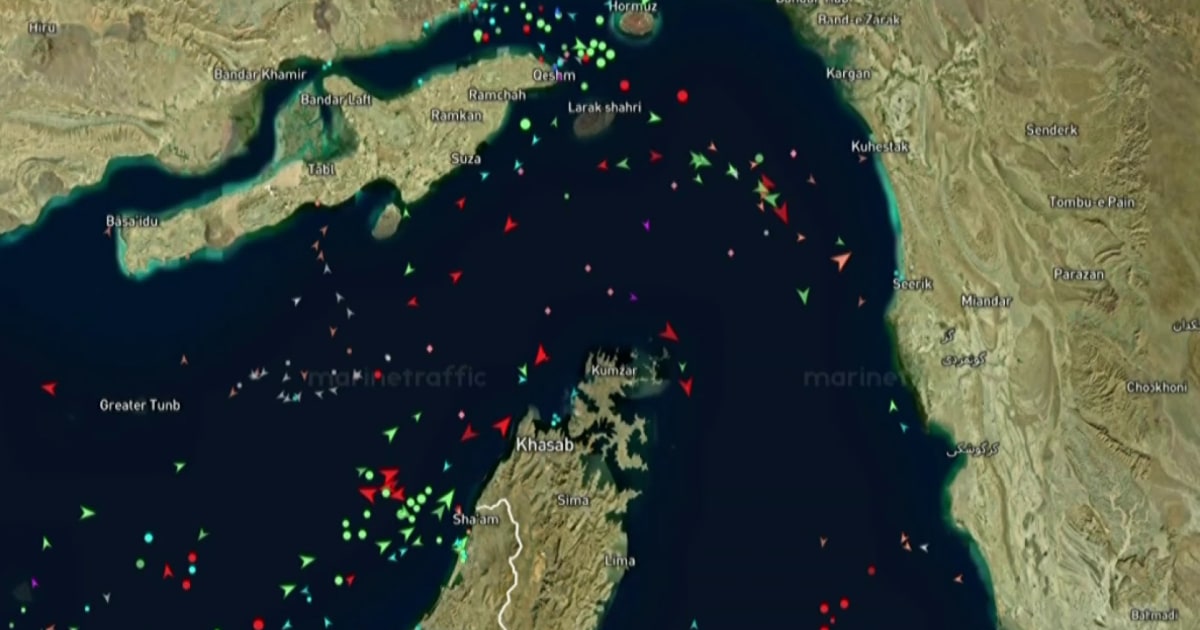
Iran has made headlines recently with its decision to close the strategically significant Strait of Hormuz, citing violations of a ceasefire agreement. This move, reported by state media, comes in response to escalating tensions, particularly from Israeli actions in southern Lebanon. In light of this closure, U.S. Central Command stated that on the preceding Saturday, 55 merchant vessels navigated the strait, raising concerns over maritime security and international trade.
The Strategic Importance of the Strait of Hormuz
The Strait of Hormuz is a pivotal maritime route, essential for global oil transportation, as it connects the Persian Gulf to the Arabian Sea. Approximately one-fifth of the world’s oil supply passes through this narrow passageway. Any disruptions in this area can not only lead to spikes in oil prices but may also trigger broader geopolitical conflicts. The closure by Iran creates a ripple effect, impacting not only oil markets but also international relations in the region.
The Iranian government has justified its actions as a defensive measure against external threats, particularly from Israel, which it accuses of infringing on its sovereignty. This dynamic underscores the delicate balance of power in the Middle East and the sensitivity surrounding U.S.-Iran relations, particularly in light of ongoing negotiations over nuclear agreements.
U.S. Response and Regional Implications
In response to Iran’s declaration, the United States has reiterated its commitment to maintaining freedom of navigation in the Strait of Hormuz. American military presence in the region aims to ensure that international waters remain accessible for commerce and trade. The U.S. Central Command’s assertion that vessels successfully transited the strait despite Iran’s actions signals the United States’ persistence in countering Tehran’s measures.
The increasing tensions signal a potential escalation of military engagement in the region. Analysts warn that further provocations could lead to military confrontations, jeopardizing not only the geopolitical stability of the Middle East but also global economic stability. Countries that depend heavily on energy imports, particularly in Europe and Asia, are closely monitoring the situation.
Impact on Global Oil Markets
The closure of the Strait of Hormuz has immediate ramifications for global oil prices. Market analysts predict potential volatility, as fears of supply shortages may drive prices up. This could have a cascading effect on economies worldwide, leading to inflation and affecting demand dynamics.
Furthermore, the situation complicates ongoing diplomatic negotiations regarding Iran’s nuclear program. Any military action or heightened conflict could derail discussions, which may be pivotal in achieving a long-term resolution to tensions surrounding Iran’s nuclear ambitions. The intricate relationship between energy security and national security continues to be a focal point of analysis as the situation develops.
Conclusion
As Iran’s closure of the Strait of Hormuz escalates tensions in the region, stakeholders must brace for the ripple effects on global oil markets, international relations, and regional security. With both diplomatic and military avenues being explored, the coming days are crucial in determining whether this situation can be de-escalated or if it will lead to further conflict. The global community is watching closely, as the stakes continue to rise amidst ongoing geopolitical complexities.