
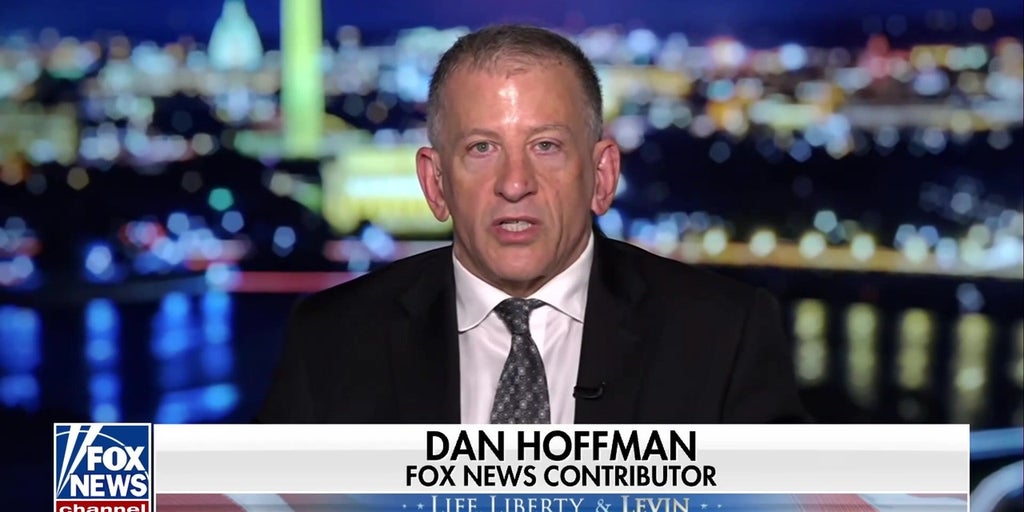
In recent discussions about Iran’s military capabilities, emphasis has been placed on its evolving ballistic missile program and the strategic role of proxy groups like Hezbollah. Experts in the field, including former CIA station chief Dan Hoffman, have pointed to these elements as significant factors in Iran’s efforts to assert influence throughout the Middle East.
The Significance of Iran’s Ballistic Missile Program
Iran’s ballistic missile program has seen substantial advancements, which pose a direct threat not just to regional stability but also to international security at large. Over the years, Iran has developed a robust arsenal of missiles capable of reaching various targets within the Middle East and potentially beyond. These military assets not only reflect the country’s intentions to defend itself but also serve as leverage in geopolitical negotiations. The sophistication of these missiles has alarmed many observers, highlighting the need for global vigilance.
Proxy Groups: A Strategic Extension of Iranian Influence
Iran’s influence is further amplified through its support of proxy groups, most notably Hezbollah. By funding and providing military assistance, Iran has been able to extend its reach into countries like Lebanon, Syria, and Iraq. This strategy allows Iran to engage in conflicts while maintaining plausible deniability and insulating itself from direct repercussions. Hezbollah has proven to be a formidable ally for Tehran, conducting operations that align with Iranian strategic goals and countering rival influences in the region.
Challenges for Regional Security
The interconnectedness of Iran’s missile capabilities and its proxy relationships creates a multifaceted security challenge for the Middle East. Traditional military responses may not suffice in addressing the threats posed by Iran and its affiliates. Regional powers must work collaboratively to develop a comprehensive strategy to counterbalance Iran’s influence, focusing not just on military readiness but also on diplomatic engagement.
The Importance of Global Awareness
As these threats evolve, international actors must remain aware of the implications of Iran’s missile advancements and its proxy operations. Understanding the dynamics at play is crucial for formulating effective policy responses. Intelligence sharing, coordinated military exercises, and diplomatic efforts among nations can create a more unified front against the challenges posed by Iran. By fostering stronger alliances, countries can better prepare for the complexities that arise in this volatile region.
Overall, Iran’s ballistic missile program and its utilization of proxy groups significantly reshape the landscape of security in the Middle East. As nations grapple with these developments, the need for a strategic and united front becomes increasingly apparent.