
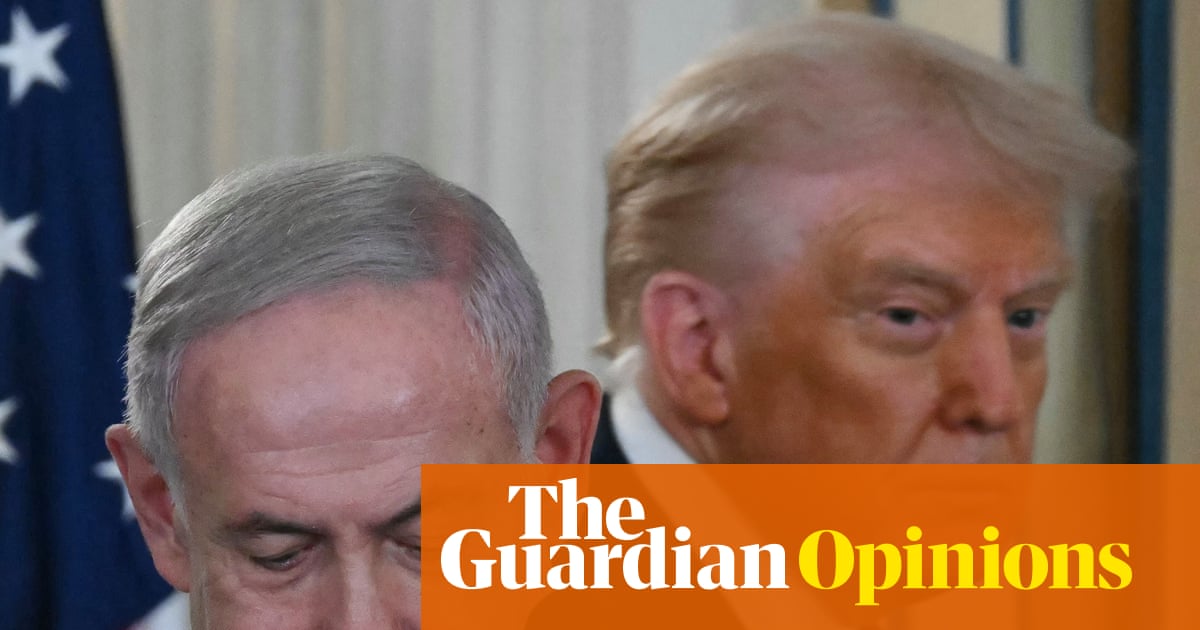
Benjamin Netanyahu’s recent political misfortunes mark a significant turning point in Israeli history. His leadership, which has been characterized by militaristic approaches and controversial alliances, increasingly tarnishes his legacy. As the fallout of ongoing conflicts unfolds, Netanyahu faces severe repercussions that could end his lengthy tenure as Israel’s prime minister.
The Consequences of Netanyahu’s Strategy
Netanyahu’s approach to governance, primarily through force and aggression, has not achieved desired results and has instead exacerbated tensions in the region. His aggressive policies in Gaza, West Bank land appropriations, and confrontations with neighboring states have consistently led to escalated violence. The latest conflict with Iran represents the culmination of this doctrine, showcasing a pattern of unyielding aggression that has failed to secure lasting peace. As international criticism mounts, the effects of his strategies are becoming more evident, leaving him isolated domestically and internationally.
Is Netanyahu Losing the US-Israel Alliance?
Perhaps the most damaging aspect of Netanyahu’s legacy is his deteriorating relationship with the United States. Once considered a cornerstone of Israel’s diplomatic strength, the US-Israel alliance is now facing unprecedented strain. Reports indicate tensions between Netanyahu and former President Trump, which could jeopardize support that has historically been crucial for Israel. The growing discontent among the American public regarding Israel’s military strategies further undermines this alliance, as a significant number of Americans are now sympathetic to Palestinian positions. This shift could signal a broader reevaluation of US foreign policy in the region, which Netanyahu must navigate carefully.
The Shifting Landscape of Israeli Politics
The sociopolitical landscape in Israel has undergone significant transformation, challenging Netanyahu’s grip on power. Recent polls reveal that a majority of Americans now favor the Palestinian perspective over Israeli actions. This marks a pivotal moment where bipartisan support for Israel is collapsing. Increasingly, criticism of Netanyahu’s hard-right policies is uniting voices from both ends of the political spectrum in the United States, calling into question the strategic benefits of Israel’s military interventions and its expansionist policies.
Netanyahu’s Political Future: A Call for Resignation
With his policies facing robust backlash and growing alienation from key allies, Netanyahu is at a crossroads. Should he continue his confrontational stance, he risks escalating tensions further and jeopardizing not only peace efforts but also his own political viability. Conversely, any submission to external pressures—especially from the US—could completely undermine his standing among his supporters and allies in Israel’s government. The choice before him is clear: adapt to the changing dynamics of both domestic and international politics or potentially resign and concede to the overwhelming forces working against him. As his political future hangs in the balance, the stakes have never been higher for Netanyahu.