
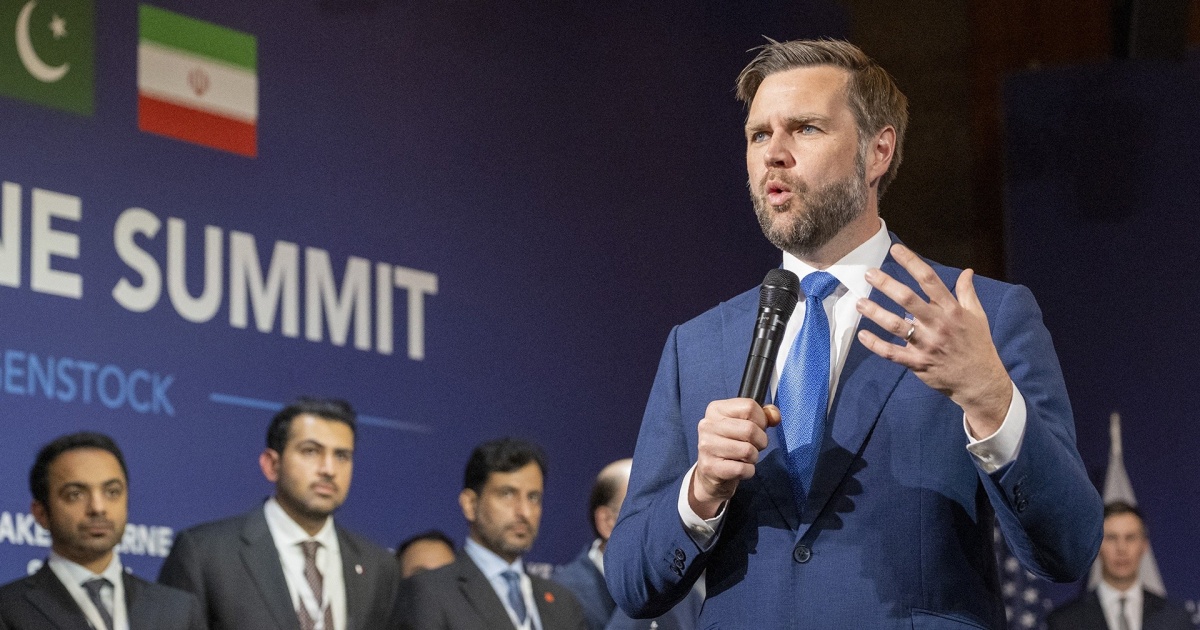
In recent diplomatic developments, Vice President JD Vance has engaged in discussions with officials from Iran, Pakistan, and Qatar in Lucerne, Switzerland. The meetings come in the wake of heightened tensions, particularly as Iran threatened to close the Strait of Hormuz amidst Israeli military operations in Lebanon. President Donald Trump’s potential shifts in relations with Tehran have raised questions about U.S. foreign policy and its implications for global security.
Trump’s Concerns Over Iran’s Actions
President Trump has issued stern warnings to Iran regarding its involvement in the ongoing conflict between Hezbollah and Israel. He emphasized that any escalation could lead to U.S. military retaliation, indicating a firm stance against Tehran’s actions. This situation is pivotal, especially considering its potential to impact international oil shipping routes. With the Strait of Hormuz being a critical chokepoint for global oil transport, any threat to its stability could have far-reaching implications for both the economy and geopolitical relations.
Vance’s Diplomatic Talks
During the discussions in Switzerland, Vice President Vance underscored the need for diplomatic engagement with Iran. These negotiations are aimed at fostering a more stable relationship and exploring possible solutions to ongoing conflicts in the region. Vance’s meetings with various Middle Eastern officials signify a strategic approach to simultaneously address terrorism and ensure the security of U.S. allies in the region.
Revisiting the Iran Deal
Trump’s renewed focus on Iran has also led to comparisons between his administration’s Iran deal and that of his predecessor, Barack Obama. Critics have raised concerns about the effectiveness and sustainability of Trump’s approach. Analyzing these differing strategies reveals the complexities involved in negotiating peace in such a volatile region. The question remains: how will these new diplomatic efforts measure up against the legacy of previous administrations?
These conversations and the pressures surrounding them serve as a reminder of the intricate balance involved in international diplomacy. With the U.S. at the center of conflicts impacting multiple nations, its strategies will significantly influence regional and global stability in the years to come. The outcomes of these talks may very well set the tone for future U.S.-Iran relations and broader Middle Eastern geopolitics.
In conclusion, as the situation continues to develop, close attention to the diplomatic maneuvers by the U.S. and its allies will be crucial. The ongoing discussions led by Vance exemplify a critical attempt to navigate one of the most challenging foreign policy issues of our time: achieving lasting peace in a region marked by decades of conflict.