
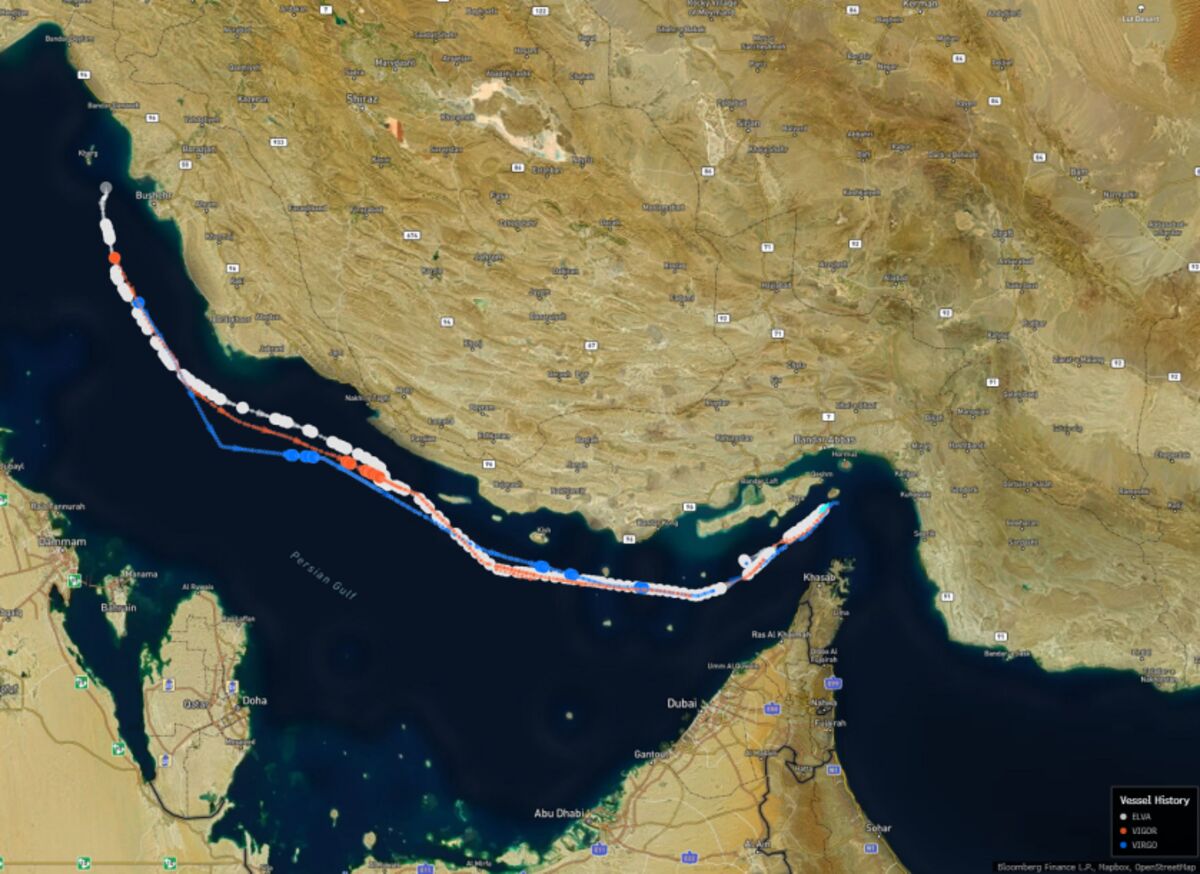
Iran has significantly increased its crude oil shipments through the vital Strait of Hormuz, reaching levels not seen since the onset of the recent conflict. As diplomatic efforts between Tehran and Washington progress toward a sustainable peace agreement, maritime activity in the region is also on the rise. This escalation in oil exports has implications not only for global energy markets but also for regional security dynamics.
The Strategic Importance of the Strait of Hormuz
The Strait of Hormuz serves as a crucial maritime passage, with approximately one-fifth of the world’s oil supply transiting through this narrow waterway. Given its strategic location, the strait has long been a focal point for geopolitical tensions. Iran’s recent uptick in oil shipments could influence the stability of global oil prices. Countries reliant on oil imports from the Gulf are closely monitoring developments, and any disruptions in this corridor could have far-reaching economic consequences.
Iran’s Oil Export Strategy
Amid ongoing international negotiations, Iran has recalibrated its export strategy to optimize the flow of crude oil. The nation aims to capitalize on improved shipping conditions while enhancing its trade relationships. As Iran steps up its oil exports, it anticipates economic recovery, which is essential for a country that has faced significant sanctions and downturns in recent years. Enhanced shipments not only bolster Iran’s economy but also showcase the country’s resilience in the face of international challenges.
Impact on Global Energy Markets
The surge in Iranian oil exports can have a profound effect on global energy markets. Increased supply can lead to lower oil prices, providing relief to consumers and businesses alike. However, this also poses risks; should tensions escalate or if the peace talks falter, the situation could quickly shift. Market analysts are closely watching the dynamics in the Strait of Hormuz, as any potential disruption could lead to volatility in prices. Predictability in global oil supply remains tenuous, making it imperative for stakeholders to remain vigilant.
The Geopolitical Ramifications
Iran’s intensified oil shipments are not merely an economic maneuver; they’re also a strategic play within the broader geopolitical arena. As the nation re-establishes its presence in the global oil market, it sends a strong signal of defiance against external pressures. Additionally, this move invites scrutiny from other regional powers, particularly those concerned about Iran’s expanding influence. The ongoing developments may prompt neighboring countries to reassess their strategies, potentially leading to shifting alliances in an already complex geopolitical landscape.
In conclusion, Iran’s decision to ramp up its crude oil exports through the Strait of Hormuz is a significant development with multiple implications. As diplomatic efforts continue, the intersection of economic and geopolitical factors will shape the future trajectory of the region. Stakeholders must remain alert to the evolving dynamics, as they hold the key to both regional stability and the stability of global oil markets.