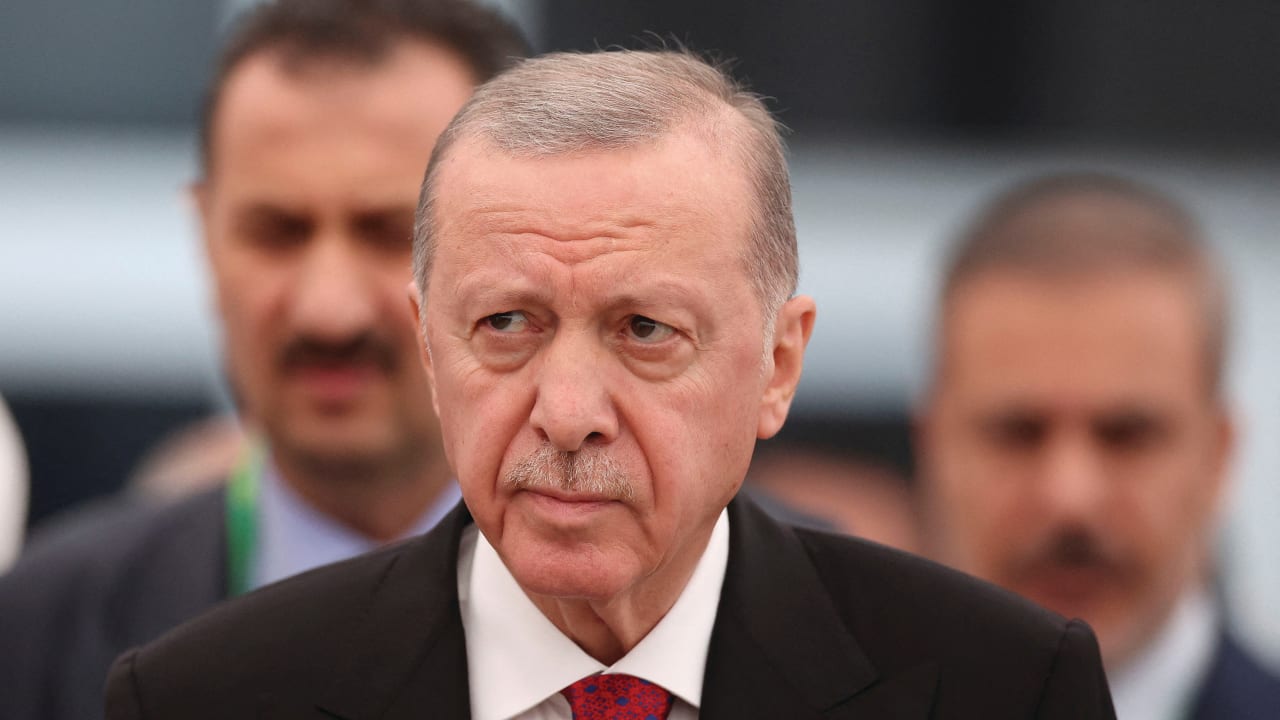
Turkey’s President Recep Tayyip Erdogan is set to host the upcoming NATO summit on July 7, 2026, in Ankara. This high-profile event underscores Turkey’s growing importance in Western strategic calculations, particularly in the context of Russia’s ongoing aggression in Ukraine.
Turkey’s Strategic Role in NATO
Turkey’s geographical position has long made it a strategic player within NATO. The nation’s proximity to Russia across the Black Sea has made it a focal point in the alliance’s new ten-year strategy which is primarily aimed at countering Russian influence. Following the invasion of Ukraine, Turkey’s significance in NATO has only intensified, as Western nations seek to strengthen their eastern flank against potential threats from Moscow.
However, hosting the NATO summit presents a conundrum for Western leaders, who must navigate Erdogan’s contentious domestic and foreign policies. Despite being a pivotal NATO ally that opposes Russia’s actions in Ukraine, Turkey is simultaneously one of Russia’s largest gas importers. The country relies heavily on Russian energy, importing over half of its gas via pipeline, which paradoxically funds the war that NATO aims to resist.
Complicity and Autocracy
Erdogan’s unyielding stance on maintaining energy relations with Moscow further complicates NATO’s strategic landscape. Recent months have witnessed Turkey enhancing its gas supply agreements with Russia. An expansion deal with Gazprom was announced during the Baku Energy Forum, indicating that Erdogan is not likely to moderate his approach despite external pressures.
The alliance’s leaders must contend with the fact that they have long turned a blind eye to Erdogan’s authoritarian tendencies and his disregard for democratic ideals. Since he assumed leadership in 2003, Erdogan has constructed an increasingly autocratic regime characterized by crackdowns on dissent and the criminalization of free expression. The Turkish government has employed a range of legal mechanisms to stifle opponents, including new categories of speech crimes.
The Economic Landscape
Erdogan’s approach to governance is also linked to Turkey’s dire economic realities. Sustained pressure on the central bank to keep interest rates low has resulted in skyrocketing inflation and a plummeting currency. With inflation nearing 50% by 2025, and the country technically entering recession, public discontent is mounting.
Erdogan often deflects blame for economic woes onto external factors, which can serve as a rallying cry for support amid domestic crises. This strategic choice allows him to maintain a façade of strength while marginalizing dissent both politically and publicly.
Despite the challenges ahead, Erdogan’s grip on power remains strong, bolstered by a 2017 constitutional overhaul that extended presidential authority. Concerns persist, however, that he might attempt to circumvent term limits by pushing for early elections under strategic pretexts. His coalition partners have shown signs of supporting such a move, indicating that Erdogan will not relinquish power without a fight.
In summary, the upcoming NATO summit presents a unique opportunity for Turkey and its longstanding leader, Recep Tayyip Erdogan, to strengthen their place within the geopolitical landscape. However, this is overshadowed by the contradictions and complexities of Turkey’s foreign relations and internal governance that NATO must carefully navigate.