
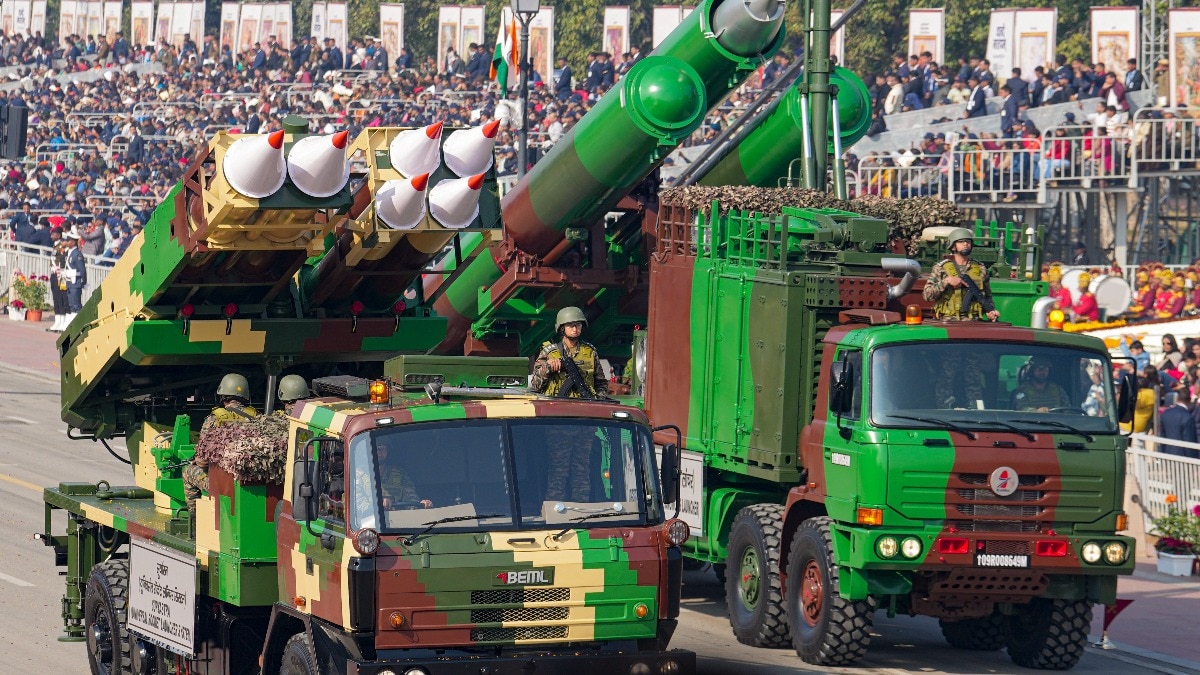
India and the United Arab Emirates (UAE) are currently engaged in talks regarding the potential sale of several advanced Indian defense systems, including the renowned BrahMos supersonic cruise missile and the Akashteer air defense system. These discussions emerge at a time when the UAE is keen on bolstering its military capabilities in response to recent conflicts in the Middle East and shifting regional security dynamics.
UAE’s Defense Strategy in Focus
The UAE is reassessing its defense procurement strategy, especially after facing missile and drone threats in recent regional conflicts involving Iran, Israel, and the United States. One of the key areas of concern has been the Strait of Hormuz, a vital waterway through which a significant percentage of its energy exports travel. As part of a broader strategy, Abu Dhabi aims to diversify its defense suppliers while enhancing its ability to counter new aerial threats. Earlier this year, it even signed a memorandum of understanding with South Korea to strengthen defense cooperation, with expected agreements surpassing USD 35 billion.
Analysts suggest that diversifying supplier bases allows the UAE more strategic independence and that stronger ties with India can be beneficial for both nations, especially as they share alliances with the U.S. This alignment could help the UAE navigate its geopolitical challenges without alienating its key ally.
A Closer Look at India’s Flagship Defense Systems
The BrahMos missile, a joint venture between India and Russia, is notable for being one of the fastest operational supersonic cruise missiles globally, capable of launching from various platforms, including land, sea, and air. With an impressive export range of approximately 290 km, any potential sale to the UAE would require authorization from Moscow. However, sources indicate that Russian approval is unlikely to pose significant obstacles due to Moscow’s strong relationship with Abu Dhabi.
Akashteer, another system under consideration, is an integrated air defense setup designed to process real-time battlefield information from multiple sensors and weapon platforms. This capability allows for quicker detection and engagement of aerial threats. Defense analysts argue that Akashteer would significantly enhance existing missile defense assets in the UAE by improving coordination and response times.
Strengthening Strategic Partnerships
These defense discussions occur alongside rapidly expanding strategic and economic ties between India and the UAE. Over recent years, the two nations have entered into numerous agreements not only in defense but also in trade, energy, and investment, including plans to co-develop military hardware. This proposed defense sale stems from India’s intent to amplify its collaboration with Abu Dhabi, especially as other regional powers like Saudi Arabia and Pakistan deepen their defense partnerships.
According to experts, the burgeoning ties can be understood within the framework of larger regional dynamics, specifically the competition for leadership between Riyadh and Abu Dhabi. The evolving defense relationship serves as a form of strategic signaling, displaying the strength and depth of partnerships between India and the UAE.
India’s Evolving Role in Global Defense Exports
India’s defense exports have gained significant momentum in recent years, fueled by government efforts to boost indigenous defense manufacturing. As per official records, India’s defense exports climbed to over USD 4 billion in the financial year ending March 2026, a massive rise from just USD 7.26 million in 2013-14. Notably, India’s successful use of the BrahMos missile in combat last year has led to heightened global interest in its defense systems.
India has secured agreements to export BrahMos missiles to countries like Vietnam and Indonesia, with interest also coming from nations such as Thailand, South Africa, and Brazil. The Philippines stands out as the first country to receive BrahMos under a deal signed in 2022. While India is increasingly making its mark as a defense exporter, it remains the second-largest arms importer globally, accounting for over 8% of worldwide arms imports, according to SIPRI data.