
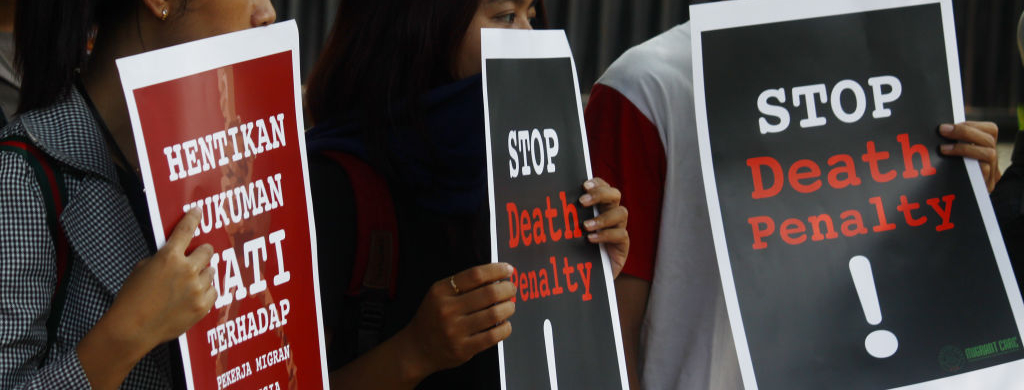
Saudi Arabia has seen a disturbing surge in executions this year, with nearly 100 individuals put to death in 2026 alone. Among these, at least 61 executions were for drug-related offenses, highlighting the country’s stringent stance on drug trafficking. This aggressive approach raises critical human rights concerns, particularly regarding the fairness of trials and the ethical implications of capital punishment.
Human Rights Concerns Over Executions
Dana Ahmed, a Middle East researcher for Amnesty International, expressed deep concern over this alarming trend. “It is halfway through the year and Saudi Arabia has executed nearly 100 people, a grim milestone exposing the authorities’ unconscionable and unlawful use of the death penalty,” Ahmed stated. The disproportionate number of executions for drug-related offenses, particularly involving foreign nationals, underscores the urgent need for reform. Of the 96 people executed so far, 39 were foreign nationals, primarily from Ethiopia, Pakistan, Sudan, Jordan, and Syria. This raises significant questions about the fairness and impartiality of the legal proceedings that led to these executions.
A Global Issue of Drug Policy
The ongoing execution spree in Saudi Arabia reflects a troubling global trend where punitive drug policies increasingly lead to the death penalty. This approach is not only ethically questionable but also contradicts the growing international recognition of the need for evidence-based and human rights-respecting responses to drug-related issues. Instead of reevaluating their harsh policies in light of these global shifting attitudes, the Saudi authorities continue to impose capital punishment for offenses that should never warrant such severe penalties under international law. Ahmed emphasizes that Saudi Arabia must reevaluate its stance and establish a moratorium on executions as a critical initial step toward abolishing the death penalty altogether.
The Plight of Foreign Nationals
The plight of foreign nationals in Saudi Arabia’s judicial system is particularly distressing. Many have been subjected to unfair trials, resulting in a high risk of execution. For instance, at least 63 Ethiopian nationals are currently facing imminent execution for drug-related offenses, following a pattern of disproportionate sentencing among foreign nationals. Concerns have escalated after the execution of seven Ethiopians earlier this year, all charged with smuggling hashish. This situation not only raises issues of justice but also signals a broader pattern of discrimination against non-citizens in the Saudi judicial system.
Statistics and International Response
Saudi Arabia consistently ranks among the world’s leading executioners, with Amnesty International documenting a staggering 356 executions in 2025 alone—a record doubling the previous year’s figures. Between January 2014 and June 2026, over 2,000 people have lost their lives to the death penalty, with foreign nationals accounting for a significant portion of these executions. Amnesty International stands firmly against the death penalty, advocating for its complete abolition, irrespective of the crimes committed or the circumstances surrounding each case. The organization believes that the death penalty is never a justified form of punishment and should be eradicated on humanitarian grounds.
As the international community increasingly highlights the need to reform punitive drug policies, the situation in Saudi Arabia serves as a pressing reminder of the dangers posed by harsh legal frameworks. The kingdom’s execution practices not only inflict irreversible penalties on individuals but also undermine global efforts toward humane and evidence-based approaches to drug issues.