
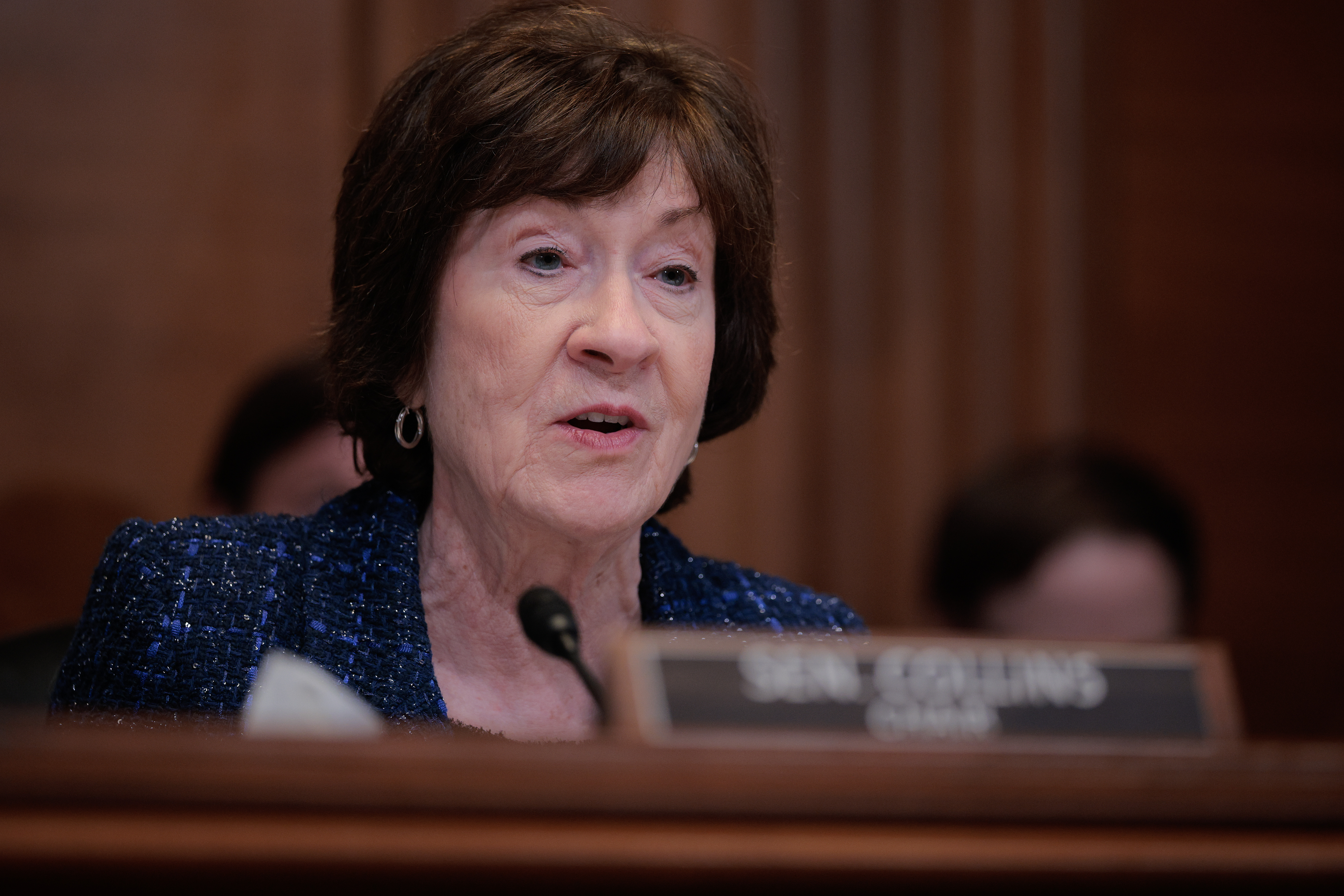
Senator Susan Collins (R-ME) recently made headlines for her strong condemnation of Maine Democratic Senate nominee Graham Platner, accusing him of antisemitism during an interview with Fox News. In her remarks, Collins reaffirmed her unwavering support for Israel, emphasizing that it remains the only democracy in the Middle East and a crucial ally.
Support for Israel Amid Rising Tensions
In light of escalating hostility toward Israel and organizations like AIPAC in the United States, Collins expressed concern about the trend towards antisemitism. “I remain a very strong supporter of Israel, the one democracy in the Middle East, our true ally in the Middle,” she stated. Collins attributed part of this growing animosity to Platner’s rhetoric, which she claims reflects a long-standing pattern of antisemitic views dating back to his high school days. This continuity, according to Collins, is a troubling aspect of Platner’s public narrative.
Specific Accusations Against Platner
Further emphasizing her point, Collins highlighted specific statements made by Platner that she found particularly egregious. She referenced his accusations of genocide against Israel and his previous praise for Hamas’ tactics that resulted in the deaths of Israeli soldiers, describing these actions as “appalling.” Such remarks, she argues, contribute to a broader context of rising antisemitism in the United States, linking Platner’s comments to a dangerous trend that undermines the U.S.-Israel relationship.
Maine’s Political Landscape and AIPAC
Collins also defended AIPAC, characterizing it as a coalition of Americans dedicated to fostering a strong partnership with Israel. She countered Platner’s claims that AIPAC represents a nefarious foreign influence, stating, “Platner makes it sound like this is some sort of evil foreign influence, and that is absolutely wrong.” Collins insists that the organization is made up of citizens who genuinely care about the bilateral relationship between the U.S. and Israel, dismissing any insinuation of malevolence.
Conclusion: The Importance of Dialogue and Accountability
In a polarized political atmosphere, discussions about Israel and its policies have become increasingly contentious. Collins’ remarks underscore the need for candid dialogues grounded in reality, emphasizing the importance of accountability for political candidates. By calling out perceived antisemitism and misinformation, Collins not only defends her stance but also brings attention to the complex dynamics of U.S.-Israel relations. As the political landscape continues to evolve, the implications of such debates are likely to ripple through the upcoming elections, particularly in state races like Maine’s.