
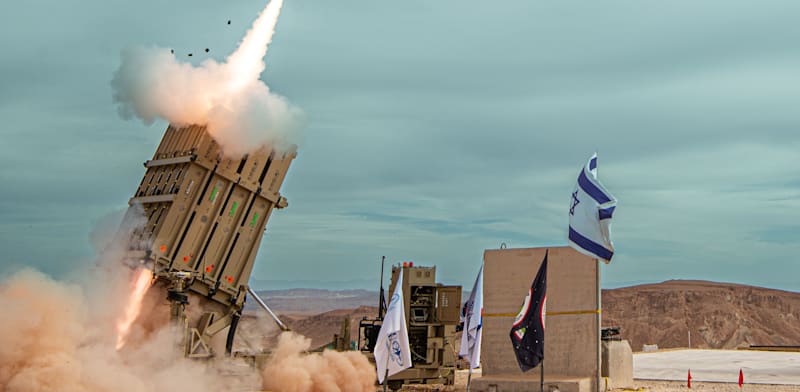
Qatar’s sovereign wealth fund, which holds a 17% share in Volkswagen, is postponing plans to transform the struggling Osnabruck facility into a production site for Rafael’s Iron Dome components, according to a report by Reuters.
Background on Qatar’s Investment in Volkswagen
Qatar’s sovereign wealth fund, known for its strategic investments across various sectors, has been an influential player in the automotive industry, particularly through its significant stake in Volkswagen. This investment reflects Qatar’s broader strategy to diversify its economy and secure long-term financial returns. However, the recent decision to delay the Osnabruck project underscores the complexities involved in managing investments amidst shifting market conditions.
The Deciding Factors Behind the Delay
Several factors have contributed to the decision to postpone the conversion of the Osnabruck plant. The ongoing global economic uncertainties, especially in the automotive sector, have prompted cautious approaches from investors. Additionally, the Osnabruck facility has faced operational challenges and criticized performance levels, which makes the transition to manufacturing defense components a more daunting task than initially anticipated. Stakeholders are likely re-evaluating the project’s feasibility, considering the intricacies of aligning automotive production with defense manufacturing.
The Implications of this Delay
The postponement has raised concerns about the future of the Osnabruck plant and its workforce. As unemployment rises in certain regions due to broader economic challenges, the community’s reliance on jobs from the Osnabruck facility becomes increasingly critical. Delaying the conversion project might result in prolonged uncertainty for employees and local suppliers. Additionally, other manufacturers in the defense sector may be monitoring the situation closely, as it reflects broader trends in industrial collaboration between defense and automotive organizations.
Future Prospects for the Osnabruck Facility
Looking forward, the future of the Osnabruck plant largely hinges on proactive measures from both the Qatari fund and Volkswagen. A thorough evaluation of the plant’s capabilities and the potential for diversifying production could unlock new opportunities. If executed well, the plant could not only focus on automotive needs but also effectively cater to defense requirements. Collaboration with defense contractors and a commitment to innovation could revitalize the plant, ensuring its relevance in a fast-evolving industrial landscape.
In conclusion, while the delay in converting the Osnabruck plant into a production line for Rafael’s Iron Dome components introduces challenges, it also presents an opportunity to reassess and recalibrate strategies that could lead to sustainable growth. The results of this careful evaluation will play a pivotal role in shaping the future of both the facility and its contribution to global defense and automotive sectors.