
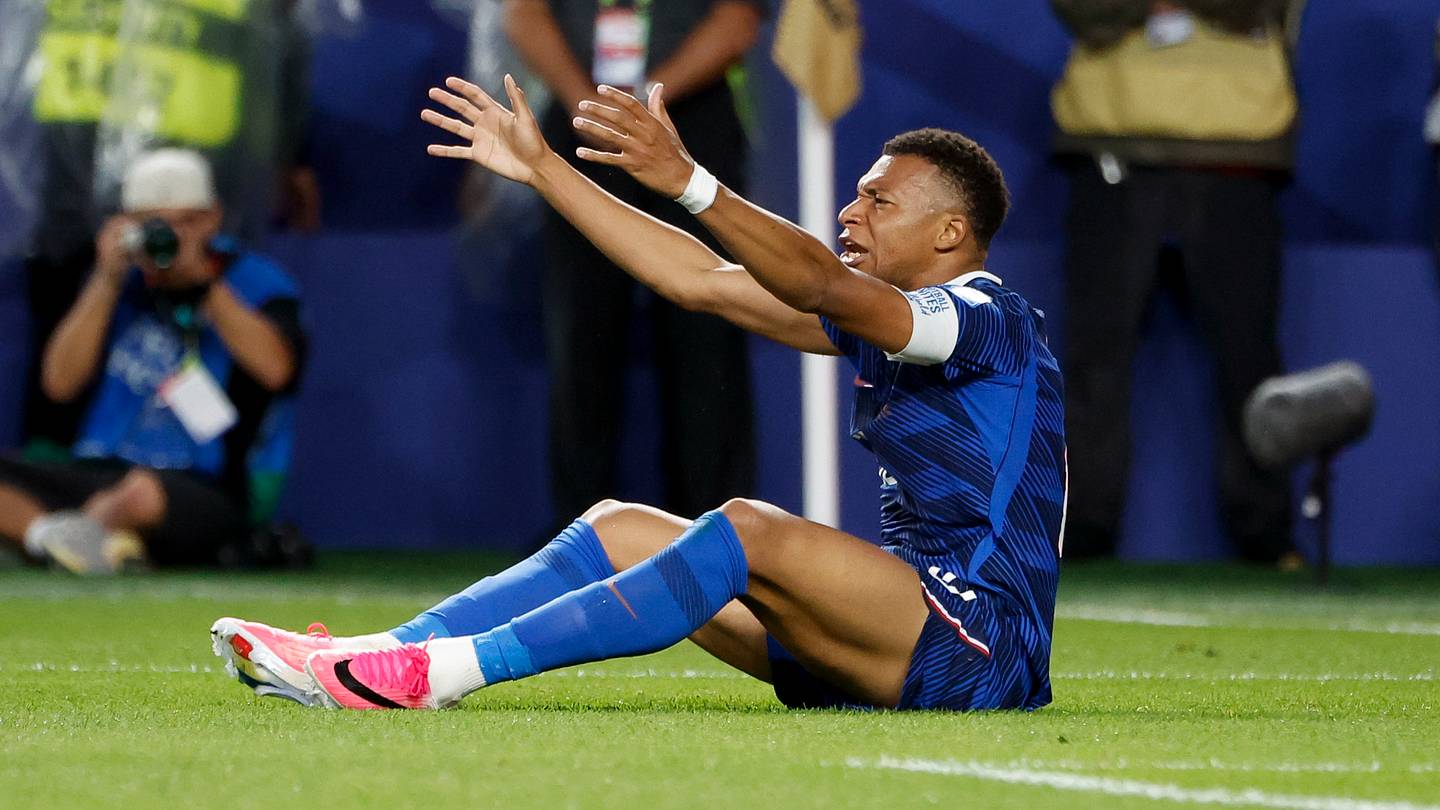
FIFA’s decision to implement mandatory hydration breaks during this summer’s World Cup has sparked considerable debate among players, coaches, and fans alike. While the initiative aims to prioritize player health, it has also raised questions regarding its impact on the game and the overall viewing experience.
Background on Hydration Breaks
The idea of hydration breaks is not entirely unprecedented; such breaks were previously observed during the 2014 World Cup. However, this year’s tournament marks the first instance where breaks are mandated during every half, regardless of weather conditions. The implementation has faced backlash, with fans expressing growing frustration as the tournament has unfolded. Many believe that the breaks disrupt the flow of the game, detracting from the overall experience.
During a recent match involving France and Iraq, fans experienced the first-half hydration break as expected. Yet, in an unexpected turn of events, the second-half did not feature a break due to adverse weather conditions. The scenario raised eyebrows, especially since the requirement for hydration breaks was previously not tied to weather or temperature, leading many to question the necessity of such policies.
Impact of Cancellation on the Game
The decision to cancel the hydration break in the second half came after a significant two-hour delay caused by a thunderstorm, which left the pitch unplayable. This situation highlighted a notable irony where a hydration break was deemed unnecessary during a match after extensive weather interruptions. Fans and pundits alike took to social media to voice their opinions, often criticizing the decision as missing the point of player welfare when there was a clear need for pauses in play.
The controversy surrounding hydration breaks expands beyond just the inability to take a sip of water. Critics argue that these pauses alter the match’s momentum, often allowing teams under pressure a chance to regroup while negating the dynamic energy of the game. Coaches, including England’s Thomas Tuchel, have expressed discomfort, noting that these breaks change the identity of football matches.
Fan Reactions and Broader Implications
Fans have largely disapproved of the pauses, not just for disrupting the action but also for the commercial opportunities they provide broadcasters. Some broadcasters seize the chance to air commercials during these breaks, further enforcing the narrative that the tournament is more about profit than the passion of football.
Many soccer purists feel that dividing the match into segments diminishes the game’s integrity, making it resemble American sports like NFL and NBA rather than traditional football. This sentiment reflects a concern that commercialization threatens the spirit of the sport, as teams risk losing their momentum during these interruptions.
Overall, as FIFA navigates the complexities of player safety and game integrity, the rollout of mandatory hydration breaks continues to be scrutinized. The balance between player welfare and preserving the unique characteristics of football will likely remain a contentious topic in discussions surrounding future tournaments and rule changes.