
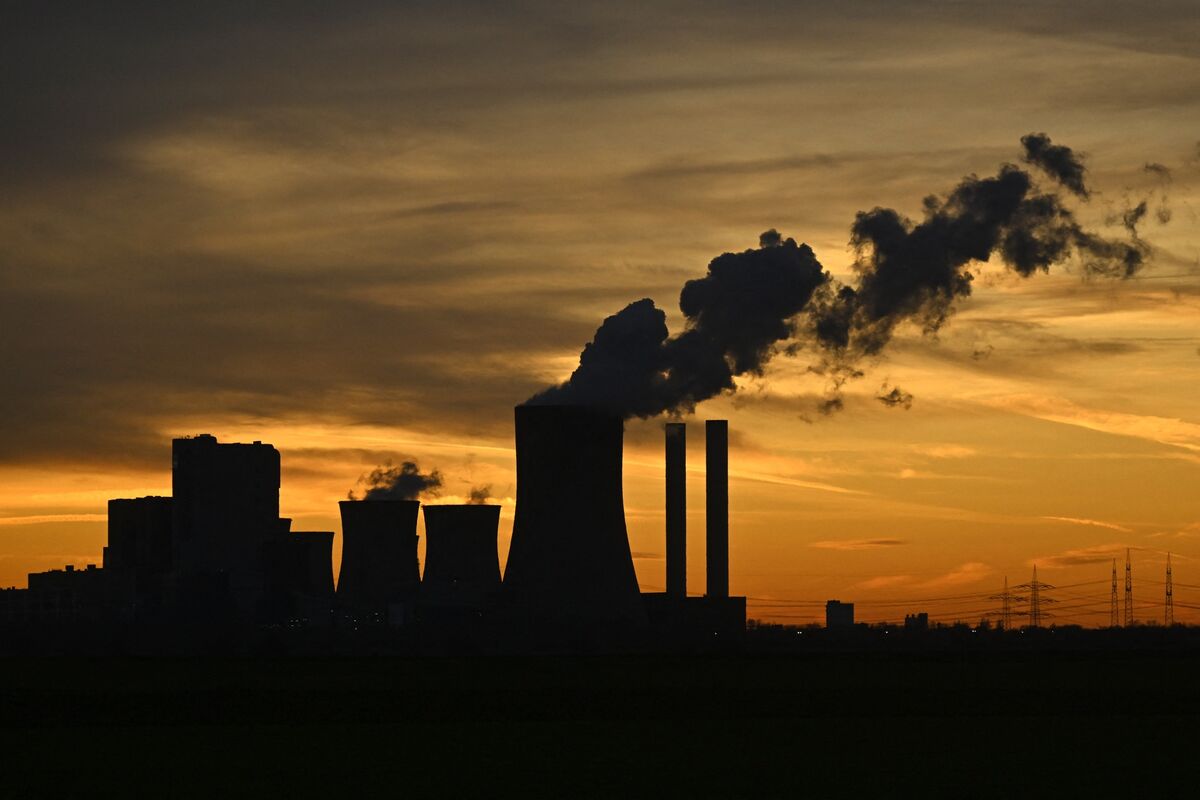
The landscape of global energy is evolving, particularly within Europe, where a push for sustainability is leading to increased regulations around methane emissions. Recently, the United States, Qatar, and several other significant natural gas exporters have collectively raised their voices, advocating for the European Union (EU) to relax its upcoming methane emissions regulations. This plea stems from concerns that such strict guidelines could jeopardize the energy stability of the bloc.
Concerns Over Energy Security
Natural gas exporters play a pivotal role in the energy supply chain for Europe. As the EU works towards its ambitious climate goals, the balance between environmental responsibility and energy security becomes increasingly delicate. The potential tightening of methane emissions regulations has raised alarms among these exporters, who believe that adhering to overly stringent rules could limit the supply of natural gas. Given the existing reliance on this energy source, such limitations could lead to higher energy prices and instability in the market, especially during peak demand periods.
Economic Implications of Methane Regulations
The economic ramifications of enforcing harsh methane emissions regulations cannot be overlooked. For many of the EU countries, natural gas is not just a transitional energy source but a key element of their energy strategies. The costs associated with compliance could be passed down to consumers, impacting everything from heating bills to electricity prices. This situation presents a challenge for both lawmakers and energy companies: how to balance the need for sustainable practices while ensuring that the economic burden does not fall heavily on consumers.
The Role of Natural Gas in Europe’s Energy Transition
Natural gas is often viewed as a bridge fuel that can facilitate Europe’s transition to renewable energy sources. As the continent moves away from coal and oil, natural gas presents a less carbon-intensive alternative that supports the integration of renewables. However, if the methane regulations are too cumbersome, it could discourage investment in natural gas infrastructure, which is crucial for maintaining energy supply during the shift. By advocating for a more flexible regulatory framework, natural gas exporters aim to ensure that this energy resource remains viable and accessible throughout the transitional phase.
Future Prospects and Collaborative Solutions
Finding common ground between energy exporters and regulators is essential for fostering a sustainable energy future in Europe. The dialogue surrounding methane regulations must include a variety of stakeholders to formulate solutions that uphold environmental goals without compromising energy security. By working collaboratively, the EU and natural gas exporters can develop a balanced approach that prioritizes both climate action and the integrity of the energy market. Effective collaboration and innovation in technology may lead to improved methane capture and reduced emissions, helping to achieve environmental targets without destabilizing the energy landscape.
In conclusion, as the EU moves forward with its environmental ambitions, the concerns expressed by the U.S., Qatar, and other gas exporters cannot be ignored. Striking a balance between stringent regulations and energy security will be crucial in shaping the future of Europe’s energy policy. The need for collaboration and innovative solutions has never been more apparent, as all parties work towards a sustainable yet secure energy future.