
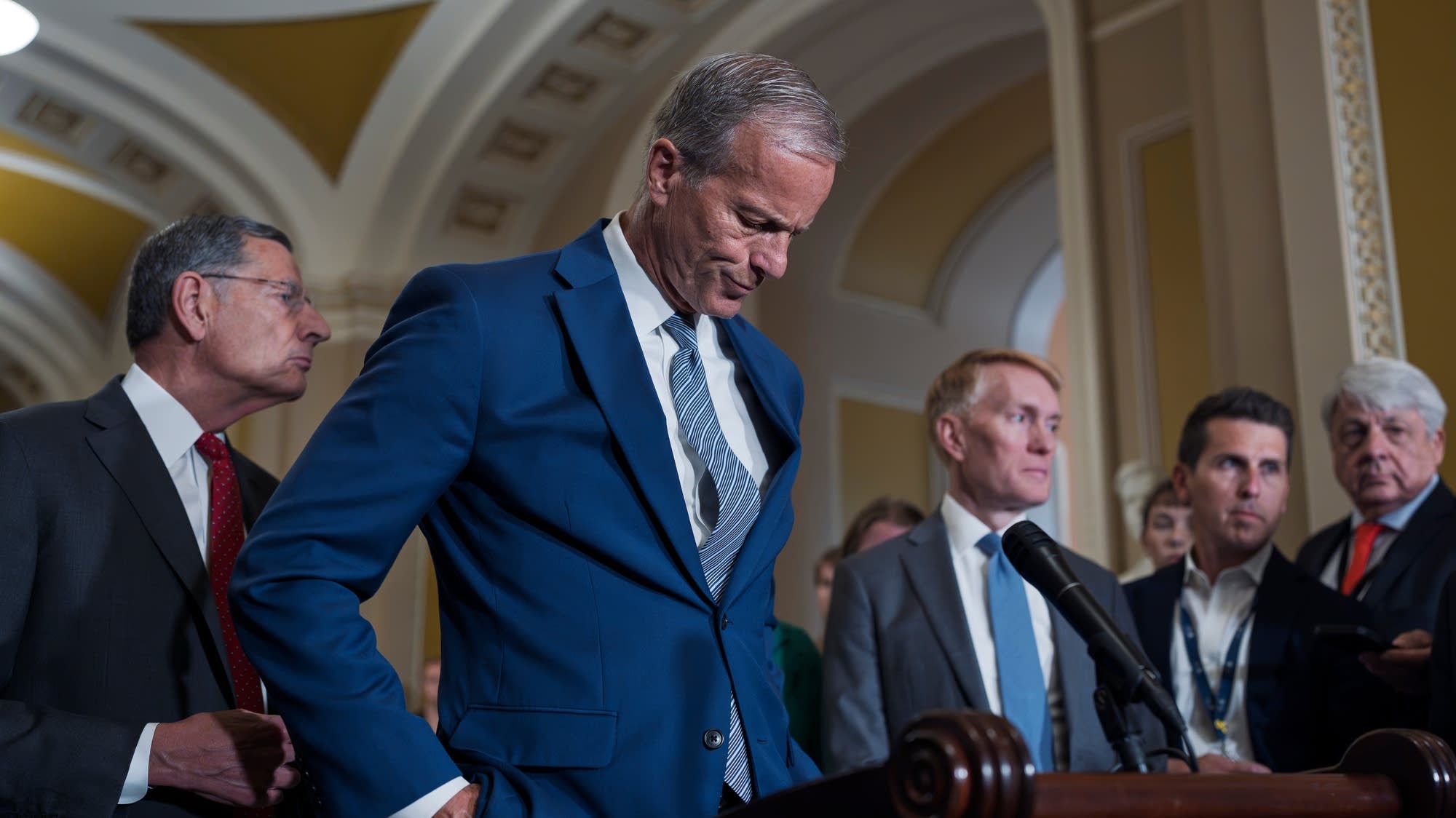
On Tuesday, the Senate made a significant move by passing a war powers resolution aimed at restricting U.S. military operations against Iran. This decision marks a pivotal moment in the ongoing discourse surrounding military engagement, particularly as tensions between the U.S. and Iran continue to escalate. Lawmakers are increasingly vigilant, closely observing President Donald Trump’s maneuvers to navigate this complex situation.
Understanding the War Powers Resolution
The War Powers Resolution, enacted in 1973, was designed to ensure that Congress plays a vital role in decisions related to military action. The recent Senate vote underscores the growing concern among legislators over the potential implications of further military involvement in Iran. By passing this resolution, lawmakers are asserting their authority and emphasizing the importance of oversight in matters of national security. This legislative move serves as a proactive step to curtail unilateral military action without congressional consent.
Reactions from Lawmakers
The reaction to the Senate’s approval of the war powers resolution has been divided along party lines. Some senators argue that the resolution is a necessary check on executive power, highlighting the need for dialogue and diplomacy rather than military confrontation. Others, however, express apprehension that limiting military options could hinder the U.S.’s ability to respond effectively to threats posed by Iran and other hostile entities. These differing viewpoints reflect the broader debate about the balance of power between Congress and the president in overseeing military operations.
The Context of U.S.-Iran Relations
The relationship between the United States and Iran has been fraught with tension for decades, characterized by sanctions, diplomatic breakdowns, and conflicts of interest. Recent events have only intensified this distrust, prompting fears of military escalation. As President Trump grapples with these challenges, lawmakers aim to find a more balanced approach to address national security concerns while preventing hasty military actions. By passing the war powers resolution, the Senate is signaling its commitment to a more measured and collaborative approach to U.S. foreign policy.
The Road Ahead for U.S. Foreign Policy
As the political landscape evolves, the Senate’s recent decision may serve as a turning point in how U.S. foreign policy is conducted, particularly in the Middle East. Lawmakers will likely continue to advocate for diplomatic measures and open channels of communication with Iran to foster stability and mitigate conflicts. This proactive legislative stance may pave the way for a new era of cooperation, where diplomacy takes precedence over military intervention.
The ongoing dialogue between Congress and the executive branch will be critical in shaping U.S. actions in the coming months. As tensions persist, the Senate’s war powers resolution showcases a commitment to maintaining checks and balances within the government, while also addressing the complex challenges posed by international relations. With this resolution, lawmakers reinforce the notion that decisions on military engagement should involve a comprehensive and collaborative approach, steering the nation toward a more sustainable and peaceful future.