
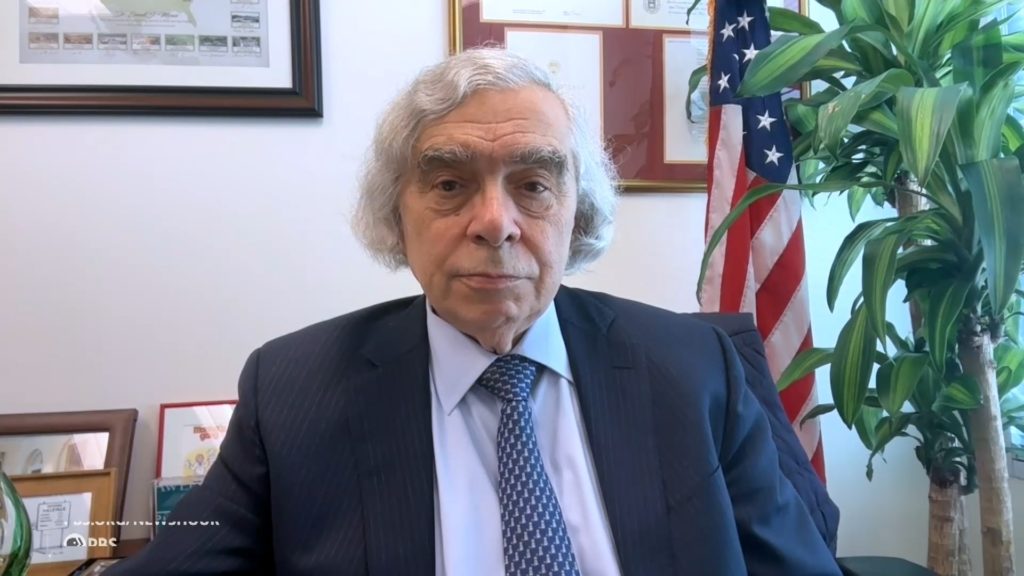
In recent discussions regarding U.S.-Iran negotiations, we turn our attention to Ernest Moniz. A nuclear physicist by training and former Energy Secretary under the Obama administration, Moniz played a crucial role as the chief architect and lead negotiator for the 2015 Iran nuclear deal, officially known as the Joint Comprehensive Plan of Action (JCPOA). Currently, he serves as the CEO of the EFI Foundation, which specializes in energy policy.
The Importance of Nuclear Inspections
During a recent interview, Moniz addressed the ongoing debate surrounding nuclear inspections in Iran. Vice President Vance claimed that Iran had consented to allow the International Atomic Energy Agency (IAEA) access to its nuclear facilities. However, Iranian officials quickly disputed this assertion, creating confusion over the actual state of negotiations. Moniz emphasized that the verification measures within the JCPOA—and the access they granted to IAEA inspectors—represent the most critical aspects of the nuclear agreement.
He noted that while access to declared nuclear sites is essential, it is equally vital for inspectors to access locations not officially designated as nuclear facilities. This access is crucial for verifying whether there has been any covert nuclear activity. Therefore, negotiations must ensure that provisions akin to those in the original JCPOA are included, such as replicating the “additional protocol” that enables inspectors to view undeclared sites swiftly.
Navigating Enriched Uranium Concerns
Another significant issue is the high enrichment levels of uranium achieved by Iran, reportedly reaching 60 percent. While 90 percent is considered weapons-grade, the 60 percent enrichment is alarming because it is sufficient for bomb production. Moniz advocates for the immediate resolution of concerns regarding this enriched uranium. He believes the first order of business must involve determining the quantity and condition of this material.
To mitigate risks, Moniz suggests that the IAEA oversee the dilution of this enriched uranium back to safe levels. Doing so would help ensure that Iran does not have access to materials that could facilitate the development of nuclear weapons. The urgency of this matter underscores the need for effective negotiation strategies and robust technical oversight.
Assessing the Current Negotiation Team
With Vice President Vance and Special Envoy Steve Witkoff leading the U.S. delegations, questions arise about the competence of the current negotiators in terms of technical expertise. Moniz, who has firsthand experience negotiating with Iran, underscored the critical importance of utilizing technical assets effectively during discussions. He recalled that in 2015, scientific experts from U.S. national laboratories played an invaluable role in negotiations, helping to clarify complex issues related to nuclear activities.
It’s essential for today’s negotiation team to leverage similar technical expertise. Moniz noted that successful negotiators need to possess not just negotiation skills but also the ability to pose pertinent questions. With this understanding, they can more efficiently navigate the complexities of nuclear discussions with Iran.
The Challenges of Time Constraints
Looking ahead, the U.S. has set a 60-day timeline to finalize a detailed agreement. Moniz expressed skepticism over the feasibility of reaching a comprehensive and detailed deal within this period. He emphasized that clarity in agreements is crucial, as ambiguities can lead to manipulation and non-compliance, particularly by Iranian authorities.
The previous deal encompassed over 150 pages filled with explicit provisions aimed at preventing the development of nuclear weapons. Moniz highlighted the necessity of such thorough agreements to ensure ongoing verification and trust. He cautions that without a strong foundation laid in the initial phases, including a thorough analysis of risks and quick-access protocols, the negotiations could falter under the imposed time constraints.
In conclusion, as the world watches these negotiations unfold, it is crucial to focus on the effectiveness of verification measures, the management of enriched uranium, and the competencies of the negotiating team. The stakes are higher than ever, and securing a stable resolution requires diligence and robust communication strategies.