
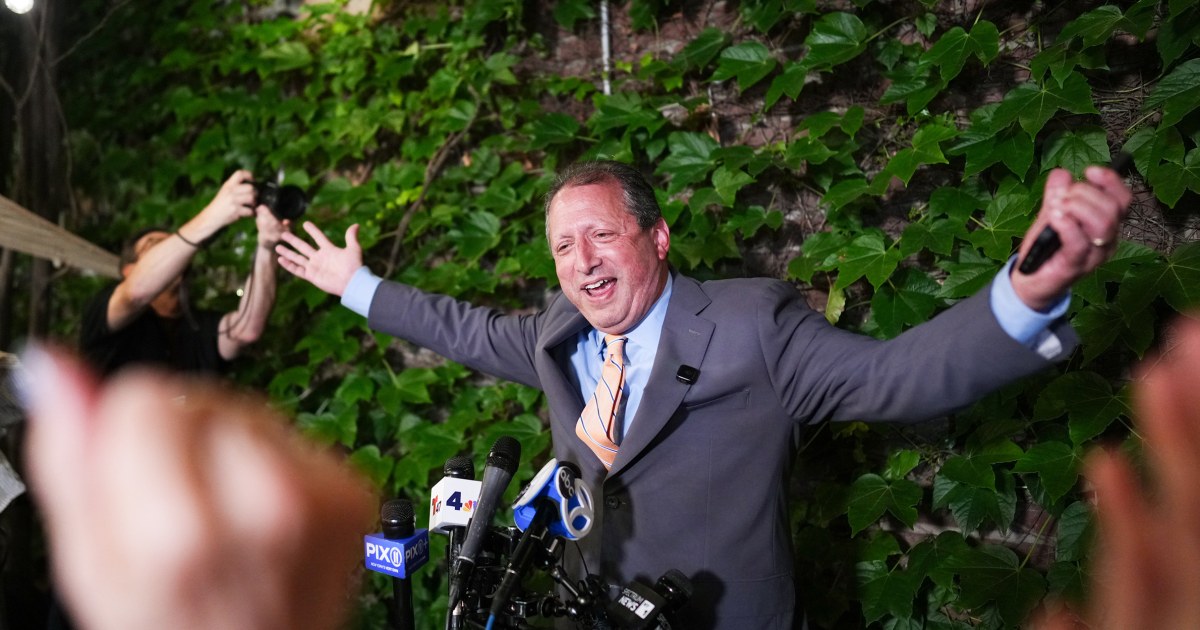
Candidates endorsed by Zohran Mamdani achieved significant victories in several House primaries, marking a noteworthy shift in the political landscape. As these results emerge, the Democratic Party grapples with defining its progressive identity, especially in light of pressing issues like foreign policy and social justice.
Key Victories for Mamdani’s Supporters
In yesterday’s congressional primaries, candidates closely aligned with New York City Mayor Zohran Mamdani secured impressive wins. This is a crucial development as they build on Mamdani’s earlier 2025 electoral success. In New York’s 12th District, former Comptroller Brad Lander displaced incumbent Dan Goldman, garnering roughly two-thirds of the vote. Over in the 7th District, state legislator Claire Valdez triumphed over Borough President Antonio Reynoso, while in the 13th District, Mamdani-backed candidate Darializa Avila Chevalier defeated ten-term congressman Adriano Espaillat. The races reflected overarching themes of social justice and a progressive stance on contentious issues like the Israeli-Palestinian conflict.
These electoral victories are emblematic of a broader democratic socialist movement aimed at reshaping the narrative of progressivism within the Democratic Party. The successfully elected candidates not only represent a demographic shift, but they also underscore efforts to challenge traditional party lines, particularly regarding foreign policy and domestic disparities.
Implications for the Future of the Democratic Party
The wins by Mamdani’s allies signal a pivotal moment for the Democratic Party, especially as it faces mounting pressure to adapt its stance on issues that resonate with younger and more diverse constituents. The candidates’ emphasis on social justice and direct references to Israel’s policies—in particular, their strong language condemning actions in Gaza—highlights a significant ideological evolution within the party. This push for a more pronounced progressive agenda could very well redefine what it means to be a Democrat in the contemporary political landscape.
As these new leaders set their sights on future initiatives, they will likely encounter challenges in balancing the diverse factions within the party. The new congressional representatives are faced with the task of not only addressing pressing local concerns but also navigating national dialogues on critical issues such as economic inequality, health care reform, and climate change. Their ability to maintain cohesion while also pushing for bold, transformative policies will be closely scrutinized as the party moves forward.
Additional Political Developments
In other political news, former President Trump reported several arrests stemming from alleged vandalism at the Reflecting Pool. Although Trump claims accountability for these incidents, he has yet to present conclusive evidence. The project to renovate the Reflecting Pool has ballooned into a costly endeavor, raising concerns about fiscal management and transparency.
The Department of Homeland Security has also revised travel guidelines for Iran’s national soccer team. The team will now have a more extended travel window before their upcoming match, addressing some of their grievances regarding treatment compared to other national teams. These adjustments highlight ongoing tensions and the unique challenges faced by athletic teams representing nations under scrutiny.
In summary, recent primary outcomes and evolving political landscapes underscore the dynamic nature of U.S. politics. The rise of candidates linked to Mamdani reflects broader shifts toward progressive ideals while addressing complex issues that resonate with voters today. As the Democratic Party navigates its future, both opportunities and challenges await.