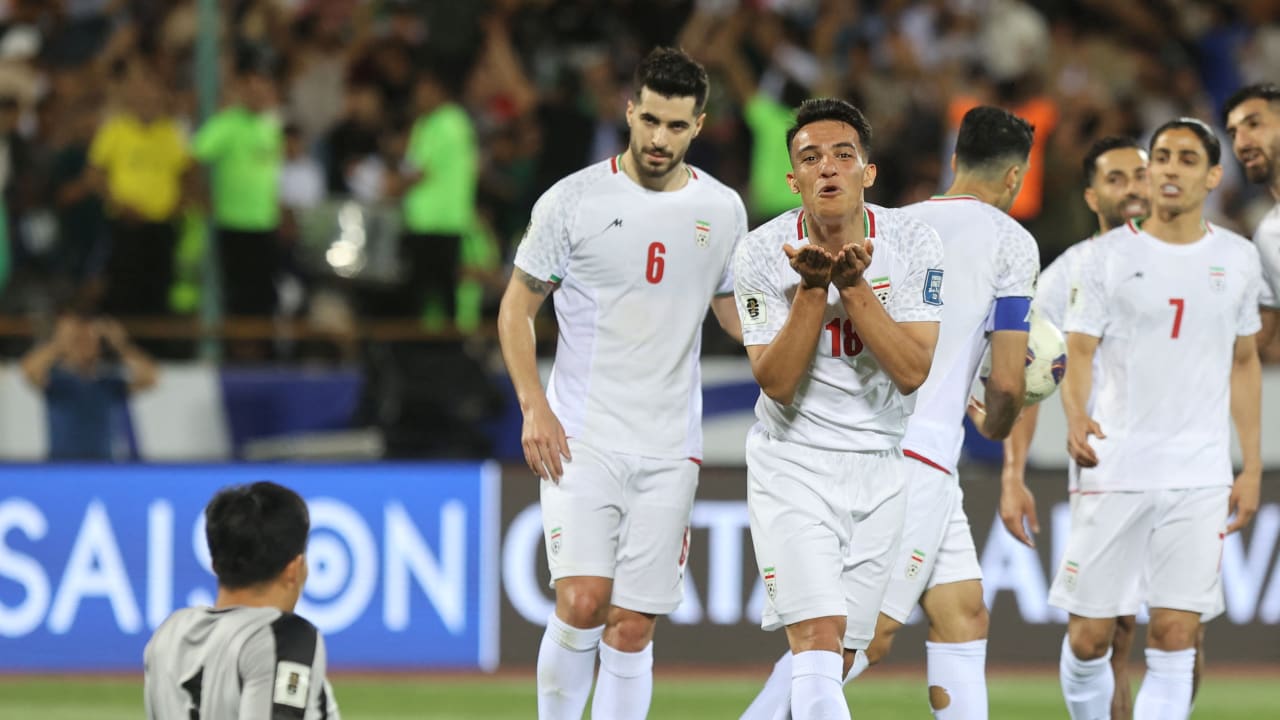
Seattle’s LGBTQ community is looking forward to the “Pride Match,” a World Cup game scheduled for this Friday between Egypt and Iran, countries that criminalize homosexuality. They view this event as a unique opportunity to raise awareness and promote acceptance, despite the challenges posed by the conflicting cultural and societal values represented by the teams.
### Seattle’s Pride Culture
Renowned for its inclusive atmosphere, Seattle proudly displays Pride flags year-round, with June being a particularly vibrant month filled with events celebrating LGBTQ identities. As one of the largest Pride festivals in the United States, the city has a long history of pioneering LGBTQ rights and celebrations, fostering a spirit of acceptance and empowerment within its community.
Given this background, it was only fitting that local organizers of the upcoming World Cup included a “Pride Match” in the festivities. When the draw announced that Egypt and Iran would compete in this match, it provided both excitement and concern for Seattle’s LGBTQ advocates.
### Challenges from International Soccer Bodies
However, the match has its complications. Egypt’s Football Association has urged FIFA to prevent any Pride-themed activities during the match. They argue that such actions contradict the cultural and religious traditions of their predominantly Muslim society. Similarly, Iran has expressed its objections, where same-sex relationships can even result in the death penalty. This tension begs the question: Can a sports event become a catalyst for dialogue and change?
Despite these challenges, local organizers have confirmed that the Pride Match will proceed as planned. Seattle’s World Cup organizing committee has emphasized the importance of continuing the city’s Pride celebrations, regardless of the international dynamics. As one committee member pointed out, while the World Cup may be a fleeting event, Seattle’s celebration and advocacy for LGBTQ rights are enduring.
### Opportunities for Change
Some members of Seattle’s LGBTQ community express mixed feelings about the match, primarily due to the backgrounds of the participating teams. However, many also see this as a crucial moment to leverage international platforms for societal change. Jon Cairns, a manager at a local LGBTQ+ club, believes that such moments in international sports have historically been significant for advancing social issues.
Cairns noted, “International sports is one of the biggest brokers of social change.” He referenced historical instances like Jesse Owens at the 1936 Olympics and the raised-fist protest during the 1968 Olympics to illustrate how sports can transcend boundaries and serve as a voice for those oppressed by societal norms.
### Creating Visibility and Showcasing Resilience
Seattle’s LGBTQ community views the Pride Match as a chance to show solidarity with individuals from countries where their identities are marginalized or criminalized. Ryan Webster, a local lifestyle manager, believes that this match can provide an opportunity for individuals from Egypt and Iran to celebrate their identities safely, even if the match itself may pose challenges.
Participants in Seattle’s Pride events, including drag performers and local activists, are planning celebrations around the match. They aim to increase visibility for LGBTQ issues and to showcase the resilience of the LGBTQ community both locally and internationally.
### Conclusion
Ultimately, while the Pride Match may bring together two nations facing significant challenges relating to LGBTQ rights, it can also serve as a vital platform for dialogue and change. The spirit of Seattle’s Pride celebrations embodies hope, resilience, and an unwavering commitment to advocating for rights and acceptance, paving the way for a more inclusive future.