
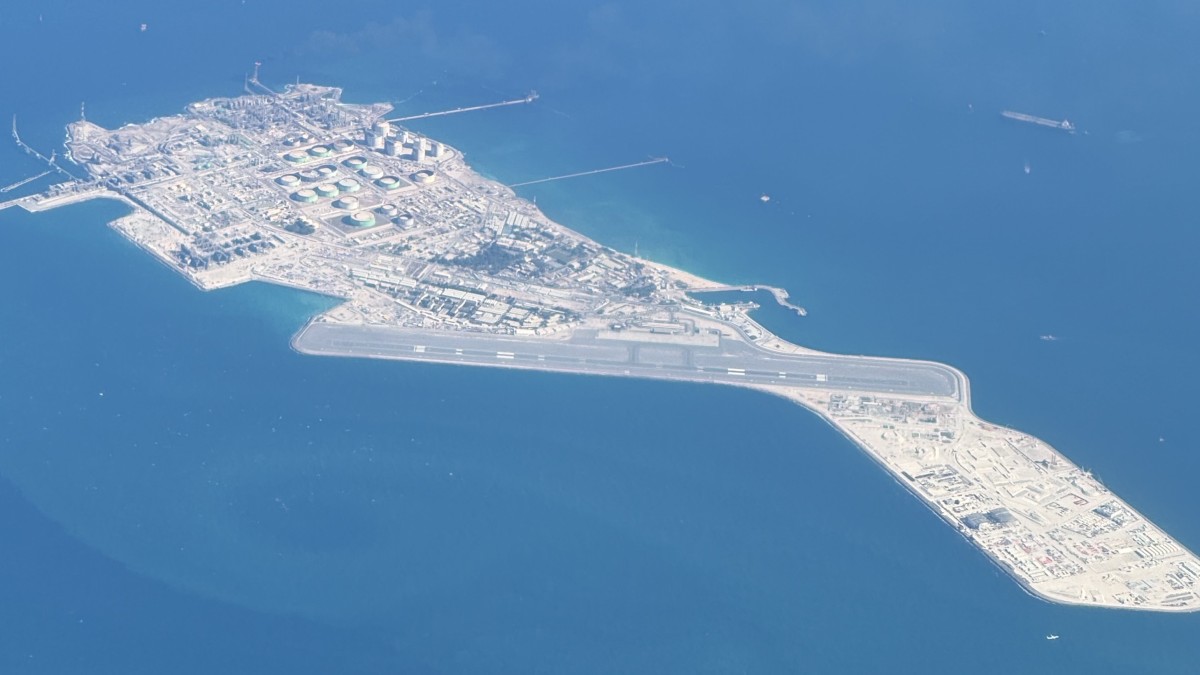
The ongoing dialogue between the United States, Qatar, and the European Union underscores significant tensions regarding the EU’s stringent climate policies targeting the liquefied natural gas (LNG) sector. Both nations have voiced concerns that the EU’s current regulatory path could result in a gas shortage, ultimately leading to increased prices across the region.
Warnings from U.S. and Qatar Energy Officials
In a recent letter highlighted by the Financial Times, U.S. Energy Secretary Chris Wright and Qatari Energy Minister Saad al-Kaabi have made it clear: the current methane regulation that the EU is enforcing presents insurmountable compliance challenges. They emphasize that both exporters and importers are hesitant to engage in agreements that could potentially conflict with EU legislation. This regulatory framework could lead to a tangible reduction in gas supply and consequently an upward trend in pricing. The letter’s timing is critical as the EU’s energy ministers prepare to meet and review these policies.
The Methane Regulation’s Impact
The methane regulation, put in place two years ago by the EU, aims to decrease greenhouse gas emissions not only from within the bloc but also from external suppliers. The regulation demands stringent monitoring of methane emissions from extraction sites to liquefaction facilities, which has drawn ire from significant gas exporting countries. Qatar has stated that it may halt LNG sales to the EU if compliance becomes mandatory, while Secretary Wright has described the regulation as an excessive trade barrier detrimental to U.S. exporters.
In light of these warnings, the EU has shown some flexibility, postponing the enforcement of regulatory penalties until 2030. However, many LNG exporters remain dissatisfied, asserting that mere postponement is insufficient. The added costs associated with lower-methane LNG cannot be ignored, as various EU member states have expressed reluctance to bear those expenses.
Challenges of Implementation
The complexities involved in monitoring methane emissions in the U.S. shale gas sector cannot be overlooked. As natural gas is produced by multiple entities feeding into an intricate network, achieving precise tracking of emissions presents a monumental challenge. Secretary Wright’s assertions that compliance is virtually impossible resonate with many in the industry. This situation hints at the larger issue: the practicality of enforcing such stringent regulations.
Interestingly, a study by Rystad Energy suggests that compliant natural gas may be more abundant than previously thought, positing that three times the amount of compliant gas exists compared to what the EU currently imports. Nonetheless, skepticism surrounds this assertion, especially given the apprehensions from both Qatar and the U.S., who collectively produce a substantial share of global LNG.
The EU’s Strategic Vulnerability
Despite its regulatory ambitions, the EU’s position appears precarious. Reports indicate that approximately 59% of the bloc’s LNG imports come from the U.S., a dependency that some in Brussels are becoming increasingly wary of. Any disruption in relations, particularly over regulatory disputes, could exacerbate an already fragile supply situation.
Proponents of the methane regulation argue that its ultimate goal is not merely to deliver clean gas to consumers but to reduce overall gas consumption by imposing unfavorable purchasing conditions. This approach raises significant concerns among European industrial energy users, who may find their operational costs skyrocketing. The coming months will likely clarify whether the EU’s regulatory framework will bring about desired climate goals or trigger economic repercussions.