
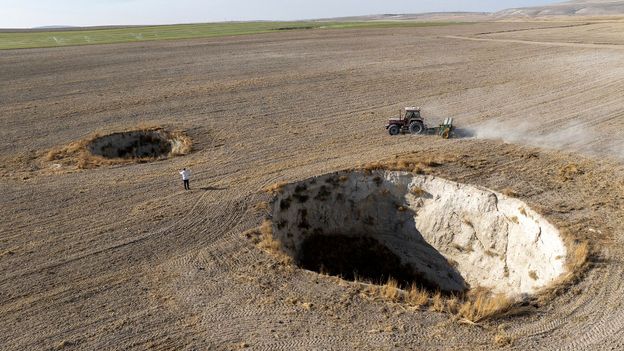
Ensuring the sustainability of natural resources is crucial for maintaining food security and supporting local livelihoods. As emphasized by experts in the field, the health of fisheries, forestry, and agriculture is interlinked with the well-being of communities that depend on these sectors for their survival.
The Importance of Sustainable Resource Management
The importance of sustainable management of resources cannot be overstated. In many regions, the economy heavily relies on fishing, farming, and forestry. These sectors not only provide food but also jobs and income for countless families. Without proactive measures to cultivate these resources wisely, food security and community stability could be at risk. Sustainable practices are essential for mitigating the impacts of climate change, overfishing, deforestation, and soil depletion.
Local communities often work within a traditional system passed down through generations. They have developed practices that reflect their unique understanding of managing these resources. It’s not accurate to place blame on farmers or local fishers for any challenges they face; they are navigating a system that has largely shaped their existence. The real responsibility falls on governmental agencies, which should create informed policies and provide necessary support.
The Role of Government and Policy-Making
Governments play a pivotal role in establishing frameworks to enhance resource sustainability. This involves not only planning and regulation but also education and community engagement. By informing and guiding local communities about best practices and sustainable techniques, government agencies can help foster a balanced approach to resource management. Generating incentives for sustainable methods can promote healthier ecosystems and, consequently, improve economic outcomes.
Without sustained governmental support, communities often struggle to implement changes that can lead to more sustainable practices. This is where effective policy-making becomes critical. In some cases, such policies may include grants, training programs, or partnerships that empower local stakeholders to adopt sustainable methods.
Communities as Guardians of Resources
Local communities have a unique relationship with their environment. Their deep-rooted knowledge and traditions often position them as the first line of defense in sustainable resource management. Encouraging community-led initiatives can lead to better environmental outcomes, as these groups understand their local ecosystems intimately. Empowering these communities supports an integrated approach to managing fisheries, forests, and farms.
Moreover, investing in the education of community members can amplify the positive impact of these initiatives. When individuals are equipped with the knowledge of sustainable practices, they are more likely to adopt methods that benefit both their immediate surroundings and the wider environment. This sense of stewardship fosters a culture of sustainability that is essential for the longevity of the resources they depend upon.
In conclusion, bridging the gap between communities and government is essential for the enduring health of natural resources. Both parties must work collectively toward sustainable solutions that benefit the economy and the environment. Emphasizing cooperation, education, and informed policy-making will ensure that fisheries, forestry, and agriculture remain viable for generations to come.