
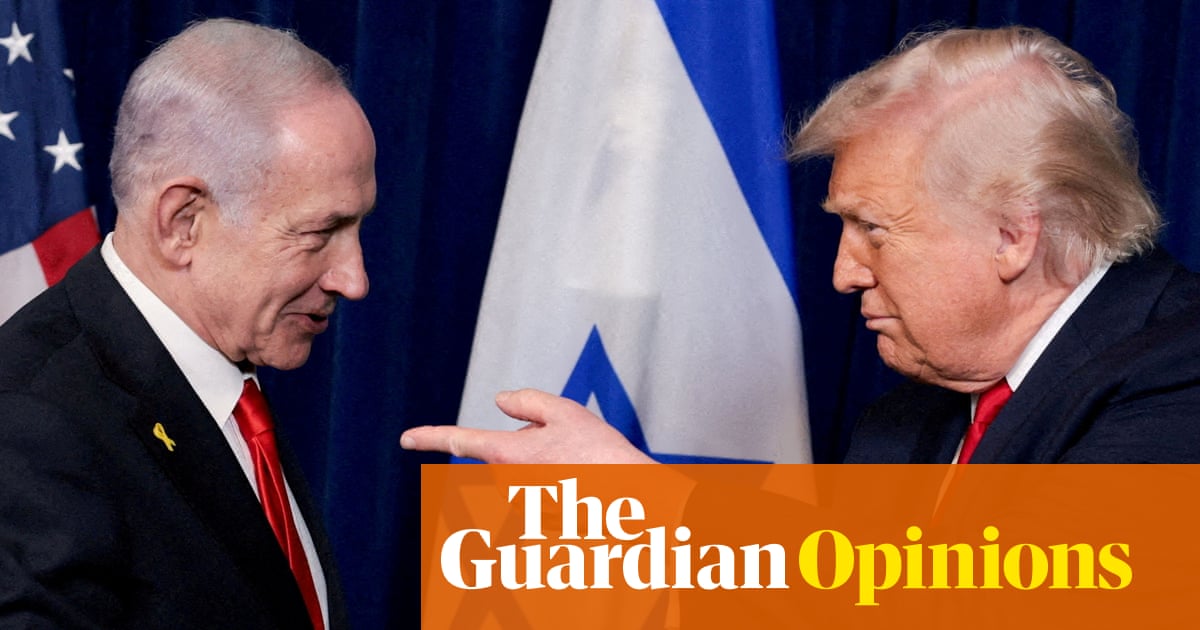
On June 18, JD Vance addressed the press in the White House, sharply criticizing Israeli officials for their stance on the Iran deal signed by Donald Trump the day before. Vance argued that Trump remains Israel’s last significant ally in a region rife with turmoil. He cautioned Israeli leaders to reconsider their criticisms and reminded them of the U.S. support, historically crucial for Israel’s defense.
The Complex Dynamics of U.S.-Israeli Relations
Vance highlighted that during the recent hostilities, a substantial portion of the military resources that defended Israel from Iranian actions were American-made and funded. His remarks reflected an unprecedented level of public reproach from a U.S. official towards Israeli leadership. Although he didn’t single out Prime Minister Benjamin Netanyahu, the implication was clear: the Trump administration is willing to challenge Netanyahu for his role in prolonging conflicts to maintain his political power.
In the weeks leading up to Vance’s statements, Trump and his staff had reportedly expressed frustration with Netanyahu’s refusal to negotiate a ceasefire with Iran. Allegations surfaced that Trump referred to Netanyahu as “fucking crazy” during a phone conversation. Following that, Trump felt confident enough to declare that Netanyahu is not in charge of decision-making when it comes to U.S.-Israeli relations.
Potential Implications of Continued Conflict
Historically, Trump’s administration has leaked dissatisfaction regarding Netanyahu but has not acted on it by restricting military assistance. Following the October 2023 Hamas attacks, Israel received massive financial and political support from the U.S., a trend that continued into Biden’s presidency. This lack of oversight has led Netanyahu to believe that Israel faces little consequence for its military actions across the region. By late 2025, Israel’s military strategies had resulted in devastating conflicts, notably in Gaza, as well as assaults on multiple countries like Iran and Lebanon.
The urgency of the situation reflects concerns about whether Trump will finally hold Netanyahu accountable. Israel’s operations in Lebanon, which defy ceasefire agreements, are particularly problematic. U.S. intelligence recently warned Trump of potential Israeli moves to undermine peace talks with Iran, jeopardizing an agreement aimed at curbing Iran’s nuclear ambitions.
Challenges Ahead for U.S. Foreign Policy
Iran’s insistence on an all-encompassing ceasefire, including the Lebanon front, complicates the diplomatic landscape. Tehran has urged the U.S. to pressure Israel to withdraw from Lebanese territory, posing threats of abandoning negotiations if their terms are unmet. The Iranian leadership has also indicated their willingness to escalate tensions, like threatening to shut down the vital Strait of Hormuz if Israel continues its aggressive actions.
Trump’s administration has discovered that pushing limits on Netanyahu may be essential, especially after the backlash from their joint military campaigns. Despite enduring significant losses, Iran has demonstrated resilience against the world’s two mightiest militaries. U.S. officials have noted that an outright military failure in Iran could ultimately be blamed on Netanyahu unless Trump negotiates a successful resolution.
As tensions rise, it becomes increasingly imperative for Trump to make substantial policy decisions regarding U.S. military support for Israel. The ongoing conflict in Lebanon underscores the complexities of Middle Eastern geopolitics and calls into question the sustainability of the Trump administration’s approach to foreign diplomacy. Will Trump leverage his influence to realign U.S. support toward stability, or will he allow Netanyahu’s aggressive tactics to undermine broader international negotiations? The stakes could define the future of U.S.-Iran relations and regional security.