
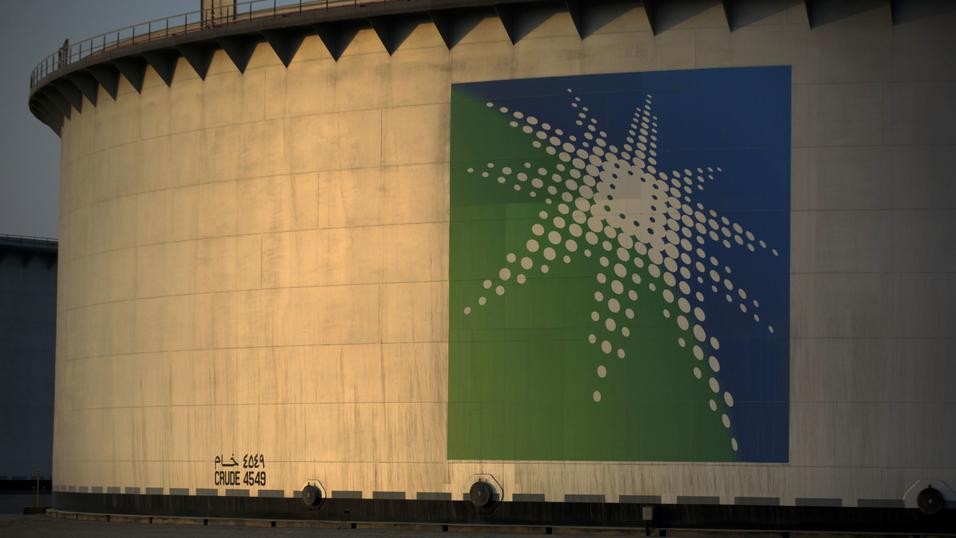
Saudi Arabia’s largest oil export terminal is on the verge of reopening, signaling a significant development in the global oil landscape. As the world remains vigilant about regional tensions, the revival of Ras Tanura could dramatically influence crude supply dynamics.
Resumption of Crude Loadings
After being largely inactive since early March, Saudi Aramco is gearing up to restart crude loading operations at Ras Tanura. On Thursday, tracking data from Bloomberg indicated that several very large crude carriers, operated by Bahri, were approaching the Ju’aymah offshore loading area. This marks a pivotal moment for Saudi Arabia’s oil industry, which has been facing numerous challenges.
While the media has been abuzz with updates regarding the reopening of the Strait of Hormuz, it’s crucial to understand that restoring operations at Ras Tanura is paramount. Saudi Arabia had not entirely halted oil exports during the recent crisis, as its East-West Pipeline allowed the country to redirect millions of barrels per day to the Red Sea port of Yanbu. However, Ras Tanura remained unusually quiet until now, suggesting that the Kingdom believes the situation has sufficiently stabilized to resume using its primary Persian Gulf outlet for exports.
Market Implications and Crude Prices
This development plays a significant role in the current state of oil prices, which have been experiencing a gradual decline. With tanker vessels preparing to load crude rather than speculating on potential future supplies, the market sentiment is shifting. Actual movement of tankers towards loading docks indicates a tangible increase in oil supply rather than just theoretical expectations.
Despite the positive indicators from Ras Tanura’s reopening, traffic through the Strait of Hormuz remains significantly lower than pre-conflict levels. Many shipping companies continue to approach the region with caution, even with reduced war-risk insurance premiums. Recent reports show that freight rates for Gulf crude carriers have risen as oil producers scramble to secure the limited availability of ships. This combination of factors highlights a complex and fragile rebalancing of the oil market.
The Broader Energy Landscape
The activity of Bahri’s fleet is a strong indicator that Saudi Arabia anticipates an increase in shipping activity. According to Bloomberg data, multiple additional Bahri supertankers are currently stationed outside the Gulf of Oman, positioning themselves for upcoming cargo opportunities. Meanwhile, neighboring countries are also stepping up their oil export initiatives; Iraq is boosting its output, Kuwait is revitalizing its production capabilities, and Iran has resumed marketing its crude across Asia.
As Ras Tanura returns to operational status, the backdrop of a fading supply disruption that previously led oil prices to soar above $100 per barrel becomes clear. The global energy landscape is slowly recovering, but the rebuilding phase is only just beginning.
This critical juncture in Saudi Arabia’s oil export strategy signals not just immediate market implications, but also long-term adjustments in the world’s oil supply dynamics. Industry watchers will need to stay attuned to developments in this complex scenario as the situation unfolds.