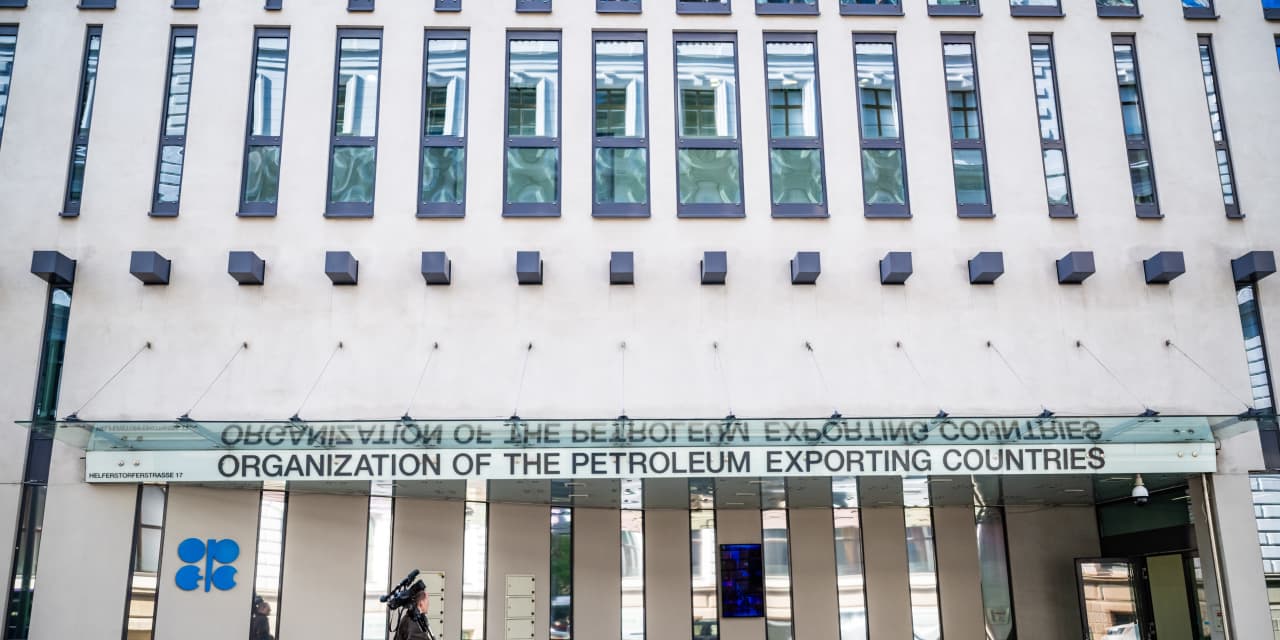
Iraq is making headlines with a clear demand to the global oil market: significantly increase its production capacity or face the prospect of exiting major oil agreements. This bold statement is indicative of Iraq’s shifting strategy in the competitive landscape of oil production, which could have far-reaching implications for both the country and the global oil industry.
Iraq’s Oil Production Ambitions
With the world’s eyes on oil prices and production trends, Iraq is positioning itself as a crucial player. The government has expressed its desire to ramp up oil output significantly, emphasizing that failure to do so could lead to a reevaluation of its commitments within the Organization of the Petroleum Exporting Countries (OPEC). This commitment is not just about meeting domestic needs or fulfilling international contracts; it’s a strategic move aimed at enhancing the nation’s economic stability and security.
Hailing from a region rich in oil resources, Iraq has the potential to significantly influence the global oil supply. However, this potential is often overshadowed by political challenges, security issues, and infrastructural constraints. The Iraqi government’s messages signal a determined shift to overcome these hurdles and integrate more effectively into the global oil supply chain. By maximizing production, Iraq aims to stabilize its economy and reduce reliance on foreign investment, which has historically posed risks during times of political turmoil.
Potential Global Implications
A change in Iraq’s oil production strategy could have a ripple effect throughout the global market. If the country successfully scales up production, it could lead to fluctuations in oil prices that impact both consumers and economies worldwide. An increase in oil output could help meet rising global demand, particularly as economies bounce back from pandemic-related slowdowns.
Yet, increased production is not without its challenges. Should Iraq choose to expand its output, it will need to ensure that its infrastructure can handle the additional volume without compromising safety or efficiency. Moreover, Iraq’s exit from OPEC might entice other countries to reconsider their production commitments, potentially leading to a significant shake-up in oil supply dynamics. Certainly, the country’s next moves will be closely monitored by stakeholders across various sectors.
Balancing Domestic and International Needs
As Iraq navigates its oil production strategy, it must balance its domestic needs against the demands of the international market. Higher production levels could bring in more revenue, benefiting local economies and funding public services. However, the government must also consider its environmental responsibilities and the long-term impacts of fossil fuel reliance. Effective management of these conflicting priorities will be essential in determining the sustainability of Iraq’s oil ambitions.
In essence, Iraq’s strong message to the global oil community reflects a period of transition for the country. With the potential for increased production, Iraq stands at a crossroads: will it redefine its role within traditional oil markets, or will it choose to step away from established agreements? As the world watches closely, the choices made by Iraq will undoubtedly shape the future landscape of oil production.
In conclusion, Iraq’s pursuit of a more significant role in the global oil market highlights its aspirations for economic growth and stability. As the nation weighs its options, it is poised to impact not only its future but also the global energy market’s trajectory. Those within the oil industry, investors, and policymakers alike should stay alert, as developments in Iraq could signal broader changes on the horizon.