
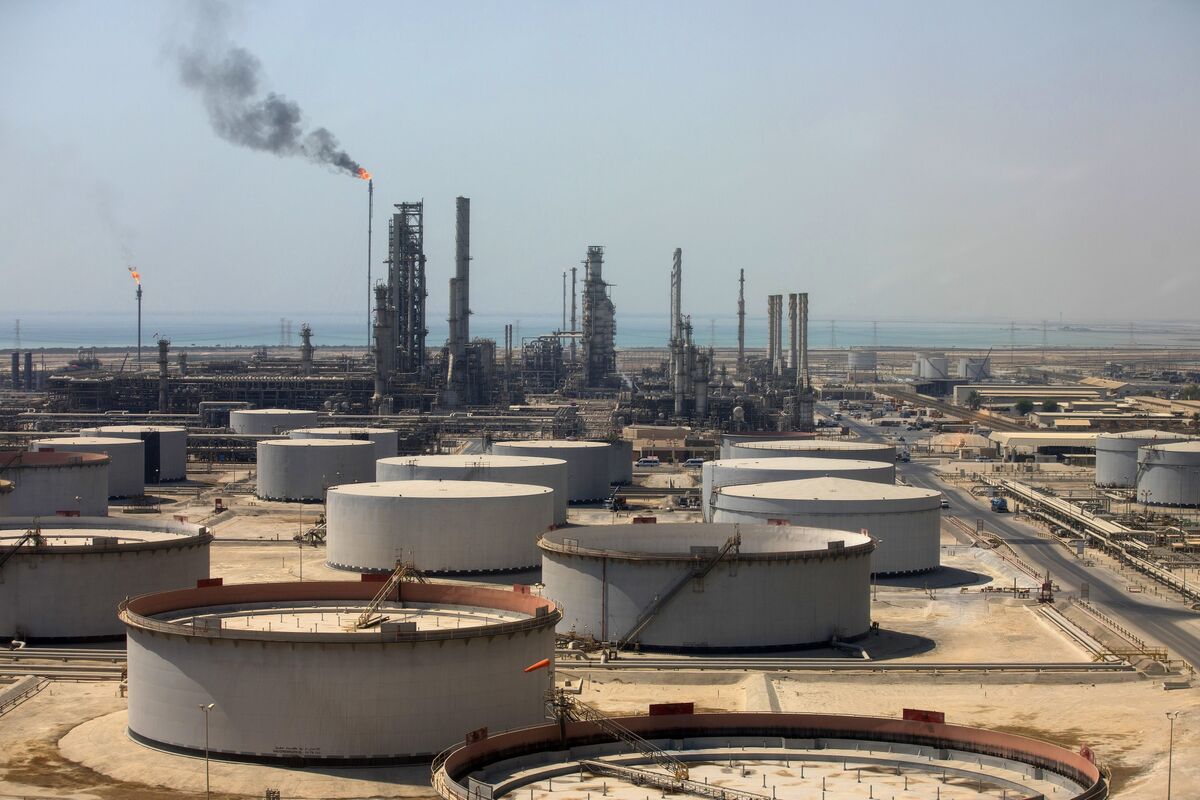
Saudi Arabia is enhancing its crude oil shipments by reopening ports in the Persian Gulf that had previously been closed due to the Iran war. In addition, the country is ramping up operations at its Red Sea terminals to circumvent the strategic Strait of Hormuz, a crucial passage for global oil transport.
Reopening Ports in the Persian Gulf
Historically significant, the Persian Gulf ports have played a vital role in Saudi Arabia’s oil export operations. Following the unrest ignited by the Iran conflict, many of these facilities were temporarily closed. However, recent developments indicate that these ports are being reopened, which could significantly escalate the volume of crude exports. This not only bolsters Saudi Arabia’s position within the global oil market but also prepares the nation for increased demand from international buyers.
Furthermore, revitalizing these ports enhances the Kingdom’s ability to manage supply flows more effectively. The reopening signifies a strategic move to stabilize oil exports, especially given the fluctuations in global market demands and geopolitical tensions. As these ports resume operations, Saudi Arabia is likely to solidify its role as a leading oil supplier, particularly amid ongoing volatility caused by various international factors.
Ramping Up Red Sea Operations
In tandem with reopening its Persian Gulf ports, Saudi Arabia is also increasing its oil loadings through Red Sea terminals. This approach is particularly vital for the Kingdom as it provides an alternative route for transporting crude oil, allowing it to bypass the politically sensitive Strait of Hormuz. Historically, this strait has been a hotspot for geopolitical tensions, making it a risky choice for oil shipments. By focusing on the Red Sea for exports, Saudi Arabia aims to mitigate risks related to shipping security and improve the reliability of its supply chain.
Moreover, increasing loadings through the Red Sea facilities could effectively double the Kingdom’s capacity to ship oil, which would further strengthen its influence over global energy markets. This strategic diversification not only enhances the country’s energy outlook but also reflects its adaptive approach to navigating geopolitical challenges.
Implications for the Global Oil Market
The initiatives being undertaken by Saudi Arabia have significant implications for the global oil market. By boosting crude shipments and diversifying export routes, the Kingdom is poised to respond more adeptly to shifts in demand. This may impact global oil prices and market dynamics, potentially leading to more competitive pricing strategies and greater availability of oil in various regions.
Additionally, as Saudi Arabia ramps up its production capabilities, other oil-exporting nations may need to reassess their strategies. The competition for market share could intensify, which may ultimately lead to an influx of Saudi crude that keeps prices in check for international consumers.
In summary, Saudi Arabia’s actions to reopen Persian Gulf ports and expand operations at Red Sea terminals signal a proactive approach to securing its position as a leading oil exporter. With a focus on minimizing geopolitical risks and maximizing export capacities, the Kingdom is not just reshaping its national strategy but also influencing global energy landscapes in significant ways. This proactive response to changing geopolitical climates and market demands underlines Saudi Arabia’s critical role in global oil supply chains.