
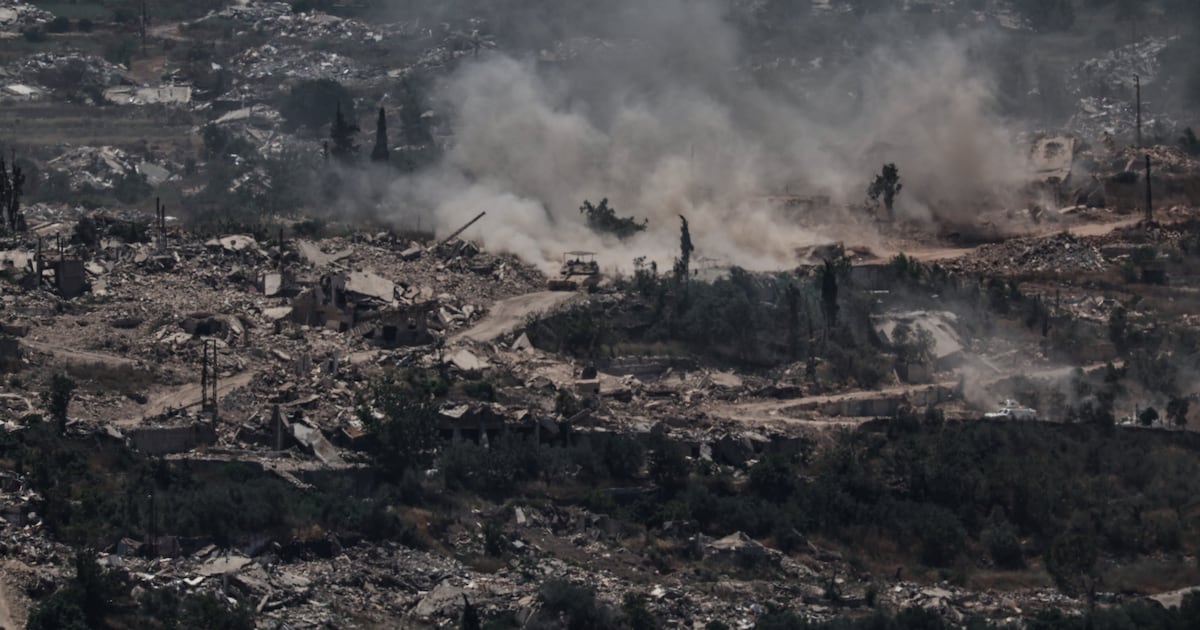
Recent developments in international relations indicate a heightened focus on Middle Eastern dynamics, specifically between Israel and Lebanon. As negotiations evolve, various key moments are shaping the geopolitical landscape, drawing attention from major global players.
Ongoing Negotiations Between Israel and Lebanon
Today marks a significant occasion as Israel and Lebanon are set to reconvene discussions in Washington. These talks are critical as both nations work toward resolving long-standing issues. The involvement of international hosting, particularly by the United States, signals a robust effort to facilitate peace and cooperation in a region historically rife with tensions. The outcomes of this meeting could set the tone for future interactions between these neighboring states.
The Role of France and Italy in Coalition Formation
Lebanese President Michel Aoun has acknowledged the diplomatic efforts made by France and Italy in forming a coalition to replace the United Nations Interim Force in Lebanon (UNIFIL). This initiative highlights the urgency of a collaborative approach to ensure regional stability. The formation of a new coalition may play a pivotal role in managing security concerns and fostering peace in the area, especially following past conflicts.
Discussion of National Security Strategies
Post-Israeli withdrawal discussions are becoming increasingly pertinent, particularly for Hezbollah, as the group plans to revisit its national security strategy. This strategic dialogue will likely analyze the shifting security landscape and the implications of recent withdrawals on Lebanon’s defense mechanisms. The outcomes of these discussions could either contribute to enhanced security or exacerbate existing tensions, thereby influencing Lebanon’s future stability.
Regional Economic Considerations
In the backdrop of military and security discussions, economic factors are equally important. Senator Marco Rubio has highlighted that the financial aid for reconstruction in Iran was not a topic of discussion with Gulf states. This lack of dialogue could delay economic recovery efforts in the region. Moreover, according to the European Union, oil supplies from the Middle East are on the mend, although it will take time for these flows to be fully integrated into European markets. Understanding these economic trends is crucial for stakeholders as they affect both regional stability and international relations.
As events unfold, it’s clear that the intricate web of politics, security, and economics in the Middle East requires ongoing attention and negotiation. Each interaction holds the potential to alter the landscape, making the analysis of these developments essential for understanding the future of the region.