
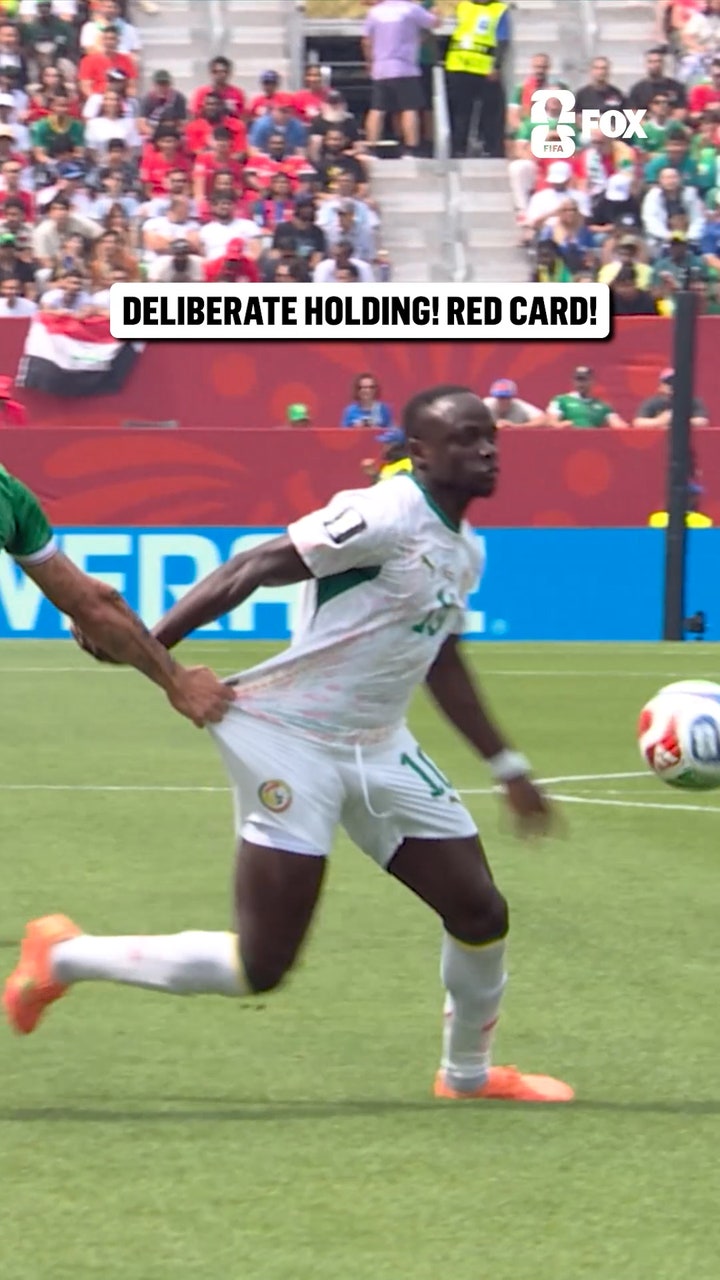
A Red Card for Iraq: Understanding the Implications of the Disqualification
In the world of sports, few incidents can change the course of an event quite like a red card. Recently, Iraq’s football team faced this harsh reality, leading to a disqualification that has stirred discussions among fans, analysts, and players alike. This incident not only reflects the challenges faced by teams on the field but also highlights the broader implications for Iraq’s football future.
The Circumstances Leading to the Disqualification
Iraq’s red card came during a crucial match that could have determined their position in a highly competitive tournament. The infraction occurred under contentious circumstances, raising questions about the refereeing decisions and the rules of the game. As fans processed this shocking turn of events, it became clear that the implications extended beyond that single match. Disciplinary actions like these often have a ripple effect, impacting player morale, team dynamics, and even future match strategies.
Understanding the reasons behind the disqualification requires a close examination of the incidents preceding the card. Whether it was a reckless challenge or an accumulation of infractions, the consequences are often severe. In many cases, red cards not only affect the player involved but can also alter the team’s chances of advancing in tournaments. For Iraq, the immediate focus shifted to rebuilding and adjusting strategies for upcoming matches, all while dealing with the emotional fallout from the disqualification.
The Impact on Iraq’s National Team
For the Iraqi national football team, this event marked a significant setback. The disqualification implies that the team must reassess its approach as it prepares for future competitions. The loss goes beyond just points; it casts a shadow over team unity and the momentum they had built leading up to the match. Players often need to recalibrate their focus, ensuring that their performance is not marred by frustration or discouragement.
Moreover, the consequences of such incidents can have a long-term effect on a country’s footballing reputation. For Iraq, a nation that has faced numerous challenges in recent years, this incident underscores the importance of international competition as a means of national pride and spirit. Teams like Iraq’s rely on support from their fans, and it’s essential to foster hope and resilience in the face of adversity.
Facing the Future: What Lies Ahead for Iraq’s Football
As Iraq navigates the aftermath of this disqualification, the path forward involves crucial steps toward rebuilding and strategizing for future matches. The coaching staff will need to analyze their tactics and likely make adjustments to ensure the team is better prepared for high-pressure situations. Developing a more disciplined approach could be vital in avoiding similar setbacks in the future.
In addition, the incident may prompt discussions about the rules and standards employed in officiating matches. Both players and coaches often call for a more consistent application of the rules to ensure fairness in competition. This situation has ignited conversations about how to prepare players mentally and physically to handle the pressures associated with competitive play.
In conclusion, the recent red card for Iraq emphasizes the critical nature of discipline and strategy in sports. While setbacks can feel discouraging, they also serve as opportunities for growth and development. As Iraq’s national football team looks to the future, resilience, adaptability, and teamwork will be key components in shaping their success in the years to come.