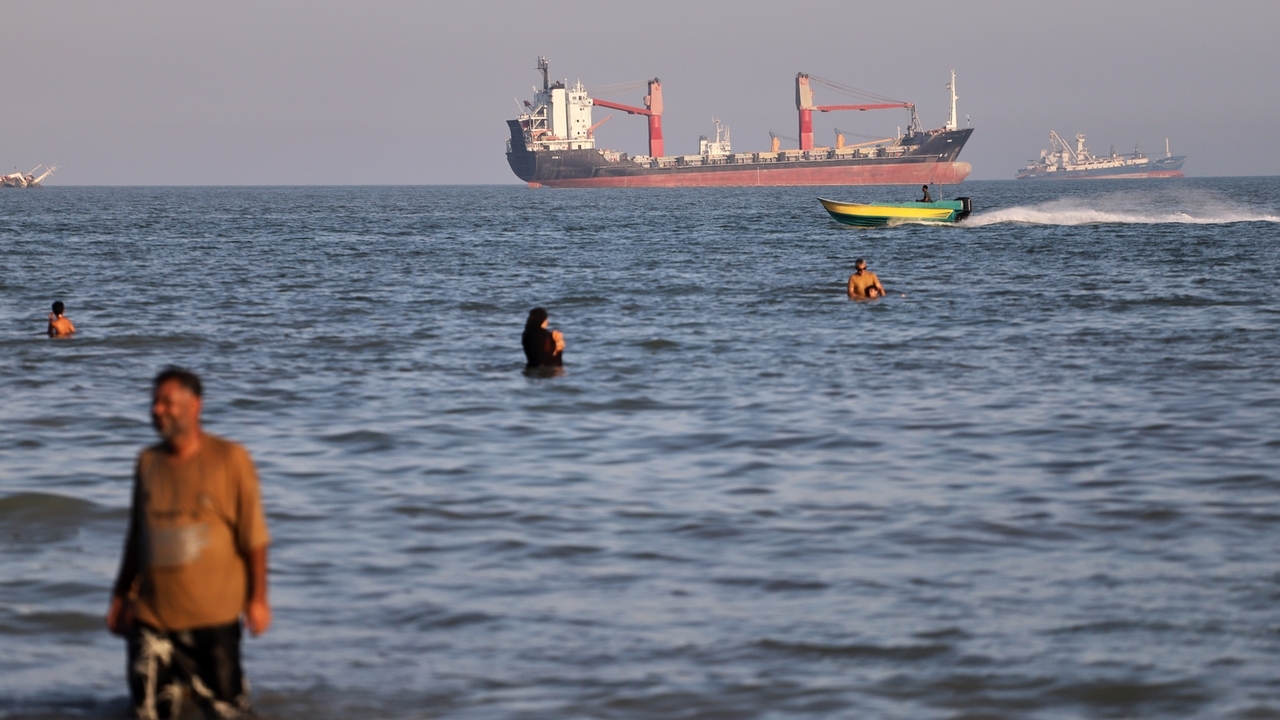
The recent tensions between the United States and Iran have escalated following a drone strike on a cargo ship in the Strait of Hormuz. This incident highlights the fragile state of international relations, especially in light of recent attempts to establish a ceasefire. The U.S. retaliation against Iran marks a pivotal moment in ongoing negotiations aimed at resolving years of conflict between the two nations.
U.S. Response to Provocations
On Friday, following the drone attack, the U.S. launched military strikes targeting missile and drone facilities in Iran. President Donald Trump characterized the drone attack as a clear violation of the interim ceasefire agreement reached only a week prior. In a press briefing, Trump remarked on his stance regarding negotiations with Tehran, suggesting that Iran’s aggressive actions do not align with their claimed intentions for peace. While Trump historically maintained the possibility of dialogue, his comments suggest a shift towards a more aggressive posture if provocations continue.
In a social media statement, Iranian officials, including Ebrahim Azizi from the national security commission, pushed back against Trump’s claims. They argued that the Strait of Hormuz falls under Iranian jurisdiction and framed Iran’s actions as necessary management of the ceasefire rather than an escalation. This ongoing rhetoric serves to indicate both nations’ commitment to their respective narratives, complicating prospects for genuine peace.
Military Operations and Maritime Security
The U.S. Central Command confirmed that strikes concluded shortly after their announcement, underscoring the rapid response to the drone attack. Recently, the British military reported that a projectile struck a container ship near Oman, coinciding with heightened threats from Iran regarding vessel routes in the region. The situation reflects an urgent need for effective maritime security measures as international shipping continues to be threatened by regional instability.
The overall conditions in the Strait of Hormuz have become increasingly perilous, especially as the International Maritime Organization recently halted its efforts to assist stranded vessels in the area. This pause came after the drone attack raised concerns about the safety of maritime routes, highlighting the delicate balance necessary for maintaining global trade flows.
Shipping Dynamics in a Tense Environment
Amid these tensions, shipping analysts have pointed out that the drone strike represents a significant setback for the normalization of maritime operations in the Strait of Hormuz. Following a week of rising confidence and increased naval traffic, the attack has led to uncertainty regarding future transit of vessels through this crucial waterway. The flow of oil tankers and other commercial vessels risk disruption as some lower their speeds or alter routes in response to the threat of Iranian aggression.
Though some vessels continue to transit the strait, the number remains below prewar averages, indicating a cautious approach from shipping companies amid heightened risks. Reports indicate that numerous ships have already diverted from the U.N.-approved pathways, further complicating maritime logistics in this critical region.
Prospects for Peace in the Region
In a broader context, peace efforts have taken a step forward with recent discussions between Israeli and Lebanese representatives. The agreement reached aims to pave a pathway to improved relations, contrasting sharply with the conflict stemming from the U.S.-Iran negotiations. Regional leaders emphasize the importance of stability, calling for a return to peaceful coexistence. As both sets of discussions unfold, the geopolitical landscape remains increasingly complex, with new alliances potentially emerging, albeit amidst ongoing tensions.
As the world watches, the situation continues to evolve, casting uncertainty on the future of both maritime security and regional peace. The intricate dynamics at play illustrate the pressing need for diplomatic solutions to foster lasting stability amid international conflict.