
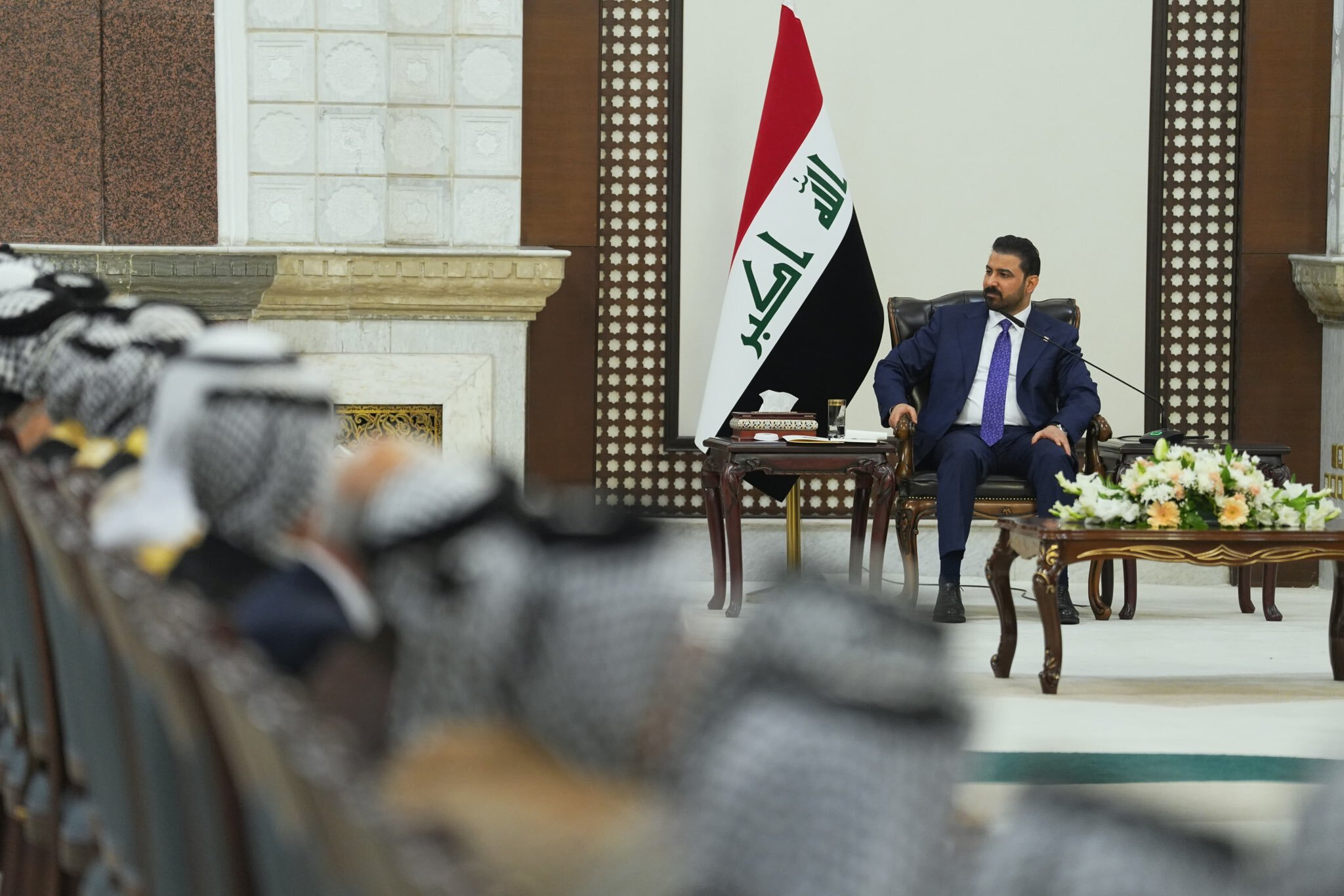
The recent political developments in Iraq have shifted quite dramatically. On April 27, 2026, the Coordination Framework (CF), which serves as the primary Shi’a political coalition, successfully resolved a lengthy five-month deadlock by designating Ali Falah al-Zaidi as the new Prime Minister. With this nomination, hopes are high for the Iraqi government’s future, especially after a warm congratulatory call from then-President Donald Trump.
The Rise of Ali al-Zaidi
The competition for leadership in Iraq intensified following the November 2025 elections, particularly between former Prime Minister Mohammed al-Sudani and Nouri al-Maliki. Their rivalry put immense pressure on the CF, nearly tearing it apart. With disapproval from President Trump directed at both Maliki and Sudani, the coalition was compelled to seek alternative candidates. Their inability to find a consensus nominee led to a growing concern among Iranian officials, who feared that a fracturing CF would diminish their influence. Consequently, the Iranian Quds Force Chief, Esmail Qaani, delivered a message emphasizing the necessity for unity among the Shi’a factions.
Ultimately, the coalition found common ground in Zaidi. Despite being a newcomer in political circles, his connections with key figures within different sects—including Shi’a, Sunni, and Kurdish leaders—earned him broad acceptance. Zaidi, a businessman in his early forties and a figure of the rising entrepreneurial class, previously directed Al-Janoub Islamic Bank. Although this bank had been restricted from US dollar transactions, it exemplifies Zaidi’s deep involvement in Iraqi business and politics. Reports suggest that his candidacy was initiated by influential figures, including Iraq’s chief justice, Faiq Zaidan, amid significant discussions with US officials.
Navigating Government Formation Challenges
In May 2026, Zaidi revealed his government program to the parliament, proposing a slate of 19 candidates for ministerial roles—out of an eventual goal of 23. His ambitious agenda emphasized state control over militias and the importance of law enforcement. Additionally, his focus on foreign policy highlighted strengthening ties with Gulf nations, a notable shift from previous agendas. However, due to US pressure, ministers associated with armed militias were excluded from the nominations, resulting in an acrimonious parliamentary session that left several political factions dissatisfied. This contentious formation of the government foreshadows the challenges Zaidi will face in fulfilling his objectives of enhancing governance and security.
However, while Washington appears hopeful about Zaidi’s business acumen and fresh perspective, he does not entirely operate outside the established political system. As a product of the same Shi’a coalition that saw the rise of his predecessors, Zaidi will encounter resistance from powerful figures like Maliki, who are likely to undermine his efforts. Focused on appeasement, Zaidi may need to allocate critical cabinet positions to mitigate opposition while navigating the complex political landscape and adhering to US guidelines.
U.S. Expectations and Iraqi Influence
The United States aims for a significant shift in Iraq’s political trajectory, seeking to move the country away from Iranian dependency and bolster its institutional integrity. Three primary goals underpin U.S. strategies: the disarmament of the Popular Mobilization Forces (PMF), fostering an inviting environment for American businesses, and enhancing Iraq’s relations with Gulf nations. Achieving the disarmament of PMF militias remains a daunting task and hinges on legislative support, yet the willingness to confront these groups has historically been tenuous.
As Prime Minister Zaidi takes the reins, he faces the dual pressures of meeting U.S. expectations while managing longstanding Iranian influence within Iraq. For instance, various militia groups loyal to Iran might resist disarming unless compelled by Tehran or faced with considerable pressure. The challenge remains: How can Zaidi effectively navigate the intricate web of political loyalties and dependencies ingrained in Iraq’s post-2003 landscape?
A Path Forward for Iraq
Both the recent U.S. administration’s engagement with Iraqi leadership and the potential political ramifications of ongoing U.S.-Iran relations will shape Iraq’s future. The necessity for collaboration between both nations is critical for addressing key issues, including the disbandment of factions outside state control. Economic incentives, such as lifted sanctions, can motivate these groups to transition into legitimate political entities.
Zaidi’s success will heavily depend on his ability to enact reforms that provide tangible benefits to the Iraqi populace, ultimately diminishing Iranian influence and repositioning Iraq within the Arab world. The coming months will reveal whether Zaidi can navigate these treacherous political waters. However, the expectations around him underscore a pivotal moment in Iraq’s ongoing struggle for autonomy and development.