
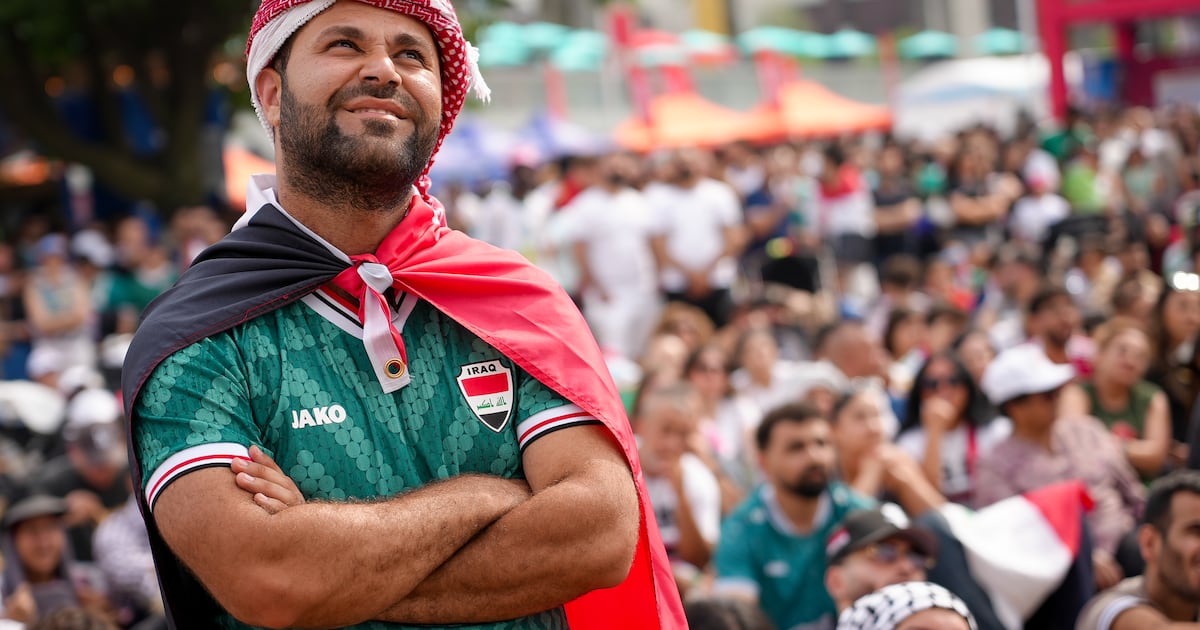
In a highly anticipated match against Senegal in Toronto, the hopes of thousands of Iraqi fans came crashing down. Until just four minutes into the game, supporters were dreaming of a miraculous victory that could prolong their World Cup journey. However, reality soon set in with a swift goal from Senegalese midfielder Habib Diarra, rapidly leading to a 5-0 defeat for the Lions of Mesopotamia. This loss not only dashed Iraq’s hopes of advancing to the knockout stage but also marked a disappointing return to Baghdad for fans and players alike.
The Rise of Senegal
For Senegal, this match represented a significant turnaround after earlier losses to Norway and France in Group I. The Lions of Teranga showcased their formidable strength, finishing third in the group and securing a place in the next round. As the fans erupted in cheers post-victory, emotions ran high. Ahmadou, a long-time supporter residing in Montreal, reflected on the team’s remarkable performance. “It wasn’t a surprise for us because we know our team is capable of showing us such beautiful football,” he remarked, emphasizing the resilience and spirit of the Senegalese side.
The nickname “Lions of Teranga” embodies both the courage and the hospitable nature of Senegal, enhancing the national pride felt during this match. Following the early goal, the momentum firmly shifted in favor of Senegal, as they capitalized on their numerical advantage after an early red card for Iraqi player Rebin Sulaka. This decision, made shortly after the goal, intensified Iraq’s struggle and allowed Senegal to dominate the game.
A Heartbreaking Echo of 1986
Thousands of Iraqi fans flocked to Toronto for this pivotal match, many traveling from the United States, including a significant Chaldean population from Michigan. In the hours leading up to the game, an exuberant procession of supporters, outnumbering Senegalese fans nearly ten to one, filled the streets to show their fervent support. Drumming and celebrating, they generated an electrifying atmosphere in anticipation of victory.
However, as the second half progressed, the spirits of the Iraqi fans diminished. After the early goal by Diarra and Sulaka’s red card challenge on Sadio Mane, it became increasingly clear that Iraq’s chances were dwindling. The team, with just ten men left, could not contain the aggressive Senegalese attacks, leading to further goals that mirrored Iraq’s previous World Cup exit in 1986. Like that fateful year in Mexico, Iraq finished the tournament without a single win, scoring only one goal across three matches—an echo of past disappointments.
“It is tough for us,” shared Hussam, one of the Iraqi supporters now living in Toronto. While melancholy prevailed after the loss, he found solace in the historical context. “We feel a bit sad, especially that we reached this point. But, on the other hand, we’re really happy because this is the first time in 40 years that we went to the World Cup.”
As Iraqi football fans process this heart-wrenching defeat, there is already a sense of hope for future tournaments. With 2026 in the rearview mirror, enthusiastic supporters are turning their eyes to the possibilities that 2030 could bring. Though the journey is fraught with challenges, fans are determined to keep the passion for their national team alive for years to come.