Iran’s escalating military actions in the Persian Gulf have sparked significant concerns, particularly following a drone strike aimed at Bahrain. This incident, combined with an attack on a vessel navigating the Strait of Hormuz, represents Tehran’s potential backlash against recent U.S.-led airstrikes.
Escalation of Hostilities in the Persian Gulf
The ongoing strife in the region highlights the fragile nature of the ceasefire between Iran and the United States, especially as both nations work towards a more permanent agreement. The U.S. military previously executed strikes in response to an Iranian drone incursion aimed at a merchant ship in the strategic strait, which is crucial for global oil transport. This cycle of aggression has cast doubt over the fragile negotiations attempting to stabilize the situation.
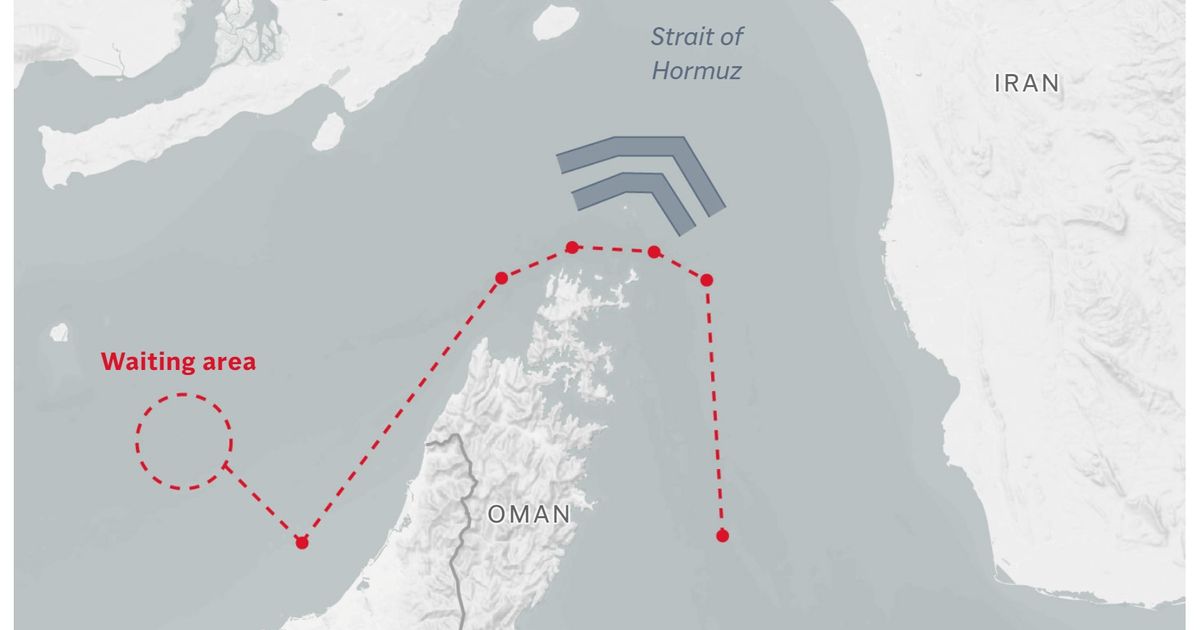
Adding further complexity, a multi-national maritime coalition, overseen by the U.S. Navy, has announced plans to expand shipping routes near Oman. This strategic move could raise tensions with Iran, which claims authority over maritime activities in the region. Given Tehran’s history of aggressive actions in the Strait of Hormuz, this expansion is likely to be interpreted as a direct provocation.
Bahrain’s Strong Reaction to Iranian Aggression
Bahrain’s targeting by Iranian drones is perceived as a significant provocation, given the kingdom’s vocal criticism of Iran and its role as the base for the U.S. Navy’s Fifth Fleet. Recent diplomatic exchanges in Bahrain, including discussions with U.S. Secretary of State Marco Rubio, aimed to reinforce collective security and address the threat posed by Iran’s military actions. Bahrain’s Foreign Ministry issued a stern condemnation, labeling the drone strike as a “flagrant threat to the security of citizens and residents.”
The Iranian Revolutionary Guard claimed responsibility for targeting what it termed “U.S. terrorist army locations” in the region, although specific sites were not disclosed. In contrast, the U.S. Central Command reported targeting Iranian missile and drone sites during their latest airstrikes. Vice President JD Vance emphasized the U.S. commitment to responding forcefully to any acts of violence while urging Iranian officials to engage in dialogue to resolve disputes.
Incidents in the Strait of Hormuz
In a related incident, reports emerged of an attack on a tanker in the Strait of Hormuz, although the crew was reported safe, with no environmental damage noted. The immediate suspicion surrounding the attack points to Iran, further exacerbating the already volatile maritime environment. Following this event, the U.S.’s Joint Maritime Information Center announced expansions to shipping lanes near Oman, allowing for increased maritime traffic.
Iran has persistently declared its control over the Strait of Hormuz, threatening to impose fees for vessels navigating through this vital waterway, which handles approximately 20% of global oil and gas shipments. Despite Iran’s assertions, the U.S. and allied Gulf states reject such demands, reinforcing international consensus regarding the waterway’s status as an open passage.
As the geopolitical tensions continue to mount, mariners are urged to remain vigilant due to the substantial threats in the region. The Joint Maritime Information Center has warned navigators to be aware of potential mines and to anticipate heightened naval presence as clearance operations proceed. The future of maritime security in the Persian Gulf remains uncertain, with both military posturing and diplomatic efforts set to play crucial roles in the months ahead.