
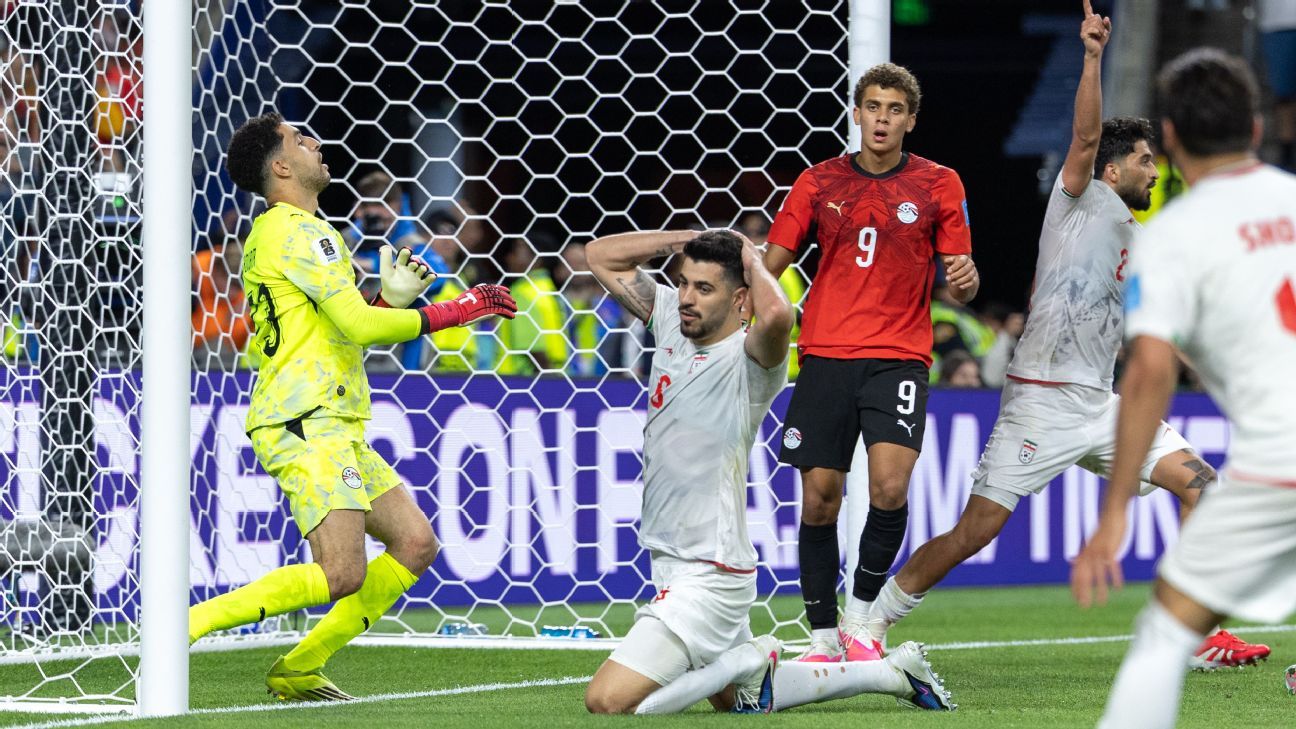
In the realm of international football, the ongoing dynamics for Team Melli, Iran’s national team, have been a tale of unpredictability and challenge, especially as they navigate through the 2026 FIFA World Cup qualifiers. Their recent draw against Egypt drew attention—not just for what happened on the field but also for the broader implications involving fate, preparation, and national pride.
Uncertain Future for Team Melli
Following a gripping 1-1 draw with Egypt, Iran now faces an anxious wait to determine their fate in the World Cup qualifiers. The outcome places them in a precarious situation where they must hope that other teams avoid defeat to secure their next steps in the tournament. The complexity of the scenario is emblematic of the uncertainty that has colored Iran’s approach to the World Cup, from training conditions to game-day experiences.
While rivals enjoyed conventional preparations with competitive matches, Team Melli found themselves up against youth squads in Tijuana due to travel restrictions. Political circumstances have dictated Iran’s soccer journey, forcing the team to navigate unpredictable pathways that have impacted their readiness for crucial matches.
Dramatic Moments and Misfortune
The match against Egypt highlighted Iran’s struggle with luck—or the lack thereof. A critical VAR decision led to a potential late winner by Shoja Khalilzadeh being called offside by mere millimeters, a twist of fate that left both players and fans aghast. Additionally, a near-miss that saw Saeid Ezatolahi’s shot ricochet off the crossbar added to the narrative that fate has not been kind to the team. Following the match, coach Amir Ghalenoei lamented the dual challenges of oppressive circumstances and sheer bad luck, encapsulating a broader sentiment that has hung over the team during this World Cup cycle.
Despite the frustrations, some experts suggest that the missed penalty awarded early in the match could have shifted the narrative, though that angle may overlook the nuanced realities of sports where chance plays a pivotal role.
Contrasting Fates
For Egypt, the outcome was less dire; they knew before kickoff that they had already secured qualification for the knockouts. However, the nature of their performance—where their expected goals (xG) significantly trailed Iran’s—dramatically contrasted with their historical achievement of advancing for the first time. Egypt’s coach, Hossam Hassan, acknowledged the hurdles, including injuries to key players like Mohamed Salah, yet remained optimistic about their development as a solid team.
As Iran continues to grapple with the complexities surrounding their participation, it’s noteworthy how external sentiments can also influence the atmosphere around the team. While their national anthem faced some backlash from local protestors, the support for the players was overwhelmingly passionate once kick-off occurred. This duality speaks volumes about the complexity of national identity and passion, particularly in times when political sentiments clash with sporting endeavors.
A Lesson in Resilience
Ultimately, the narrative surrounding Iran in this World Cup cycle transcends mere football statistics. The struggle against external challenges combined with the pressures of representing a nation under duress has created an environment where resilience takes center stage. Many neutrals and even opposing fans seem drawn to the underdog story, rooting for a team that epitomizes perseverance against adversity.
As Coach Ghalenoei remarked, there appears to be a collective sympathy that has arisen globally, with many recognizing Iran’s fight against the odds. While he may be overly optimistic in claiming that “the whole world” admires them, it is undeniable that stories of enduring underdogs resonate deeply in the world of sports. They remind us all of the unyielding spirit of competition, especially within contexts that involve far more than just the game itself.