
As Marco Rubio concluded his short visit to the Middle East, he aimed to portray his conversations with Gulf leaders in a positive light. However, these leaders expressed their deep concerns regarding the recent agreement between the U.S. and Iran—an accord they feel does not adequately address their fears about Iran’s growing influence in the region.
Iran’s Regional Influence and Gulf Concerns
During discussions, U.S. Secretary of State acknowledged that Gulf leaders conveyed specific worries that must be addressed in any future agreements with Iran. They insist that alongside limiting Iran’s nuclear ambitions, Tehran must cease its support for groups like Hamas in Gaza, Hezbollah in Lebanon, and militias in Iraq and Yemen’s Houthis. Despite these demands, analysts indicate that Iran may ramp up its backing of these organizations post-conflict, reinforcing its strategic objectives.
The complex dynamics between Iran and its allies, particularly Hezbollah, remain prominent. Despite suffering losses in conflicts against Israel over the past couple of years, Hezbollah continues to play a crucial role in Iran’s influence across the Middle East. Tehran’s commitment to Hezbollah, which began almost four decades ago with the aid of the Iranian Revolutionary Guard Corps, reflects its broader strategy of maintaining control of allied factions throughout the region.
Geopolitical Tensions and Military Strategies
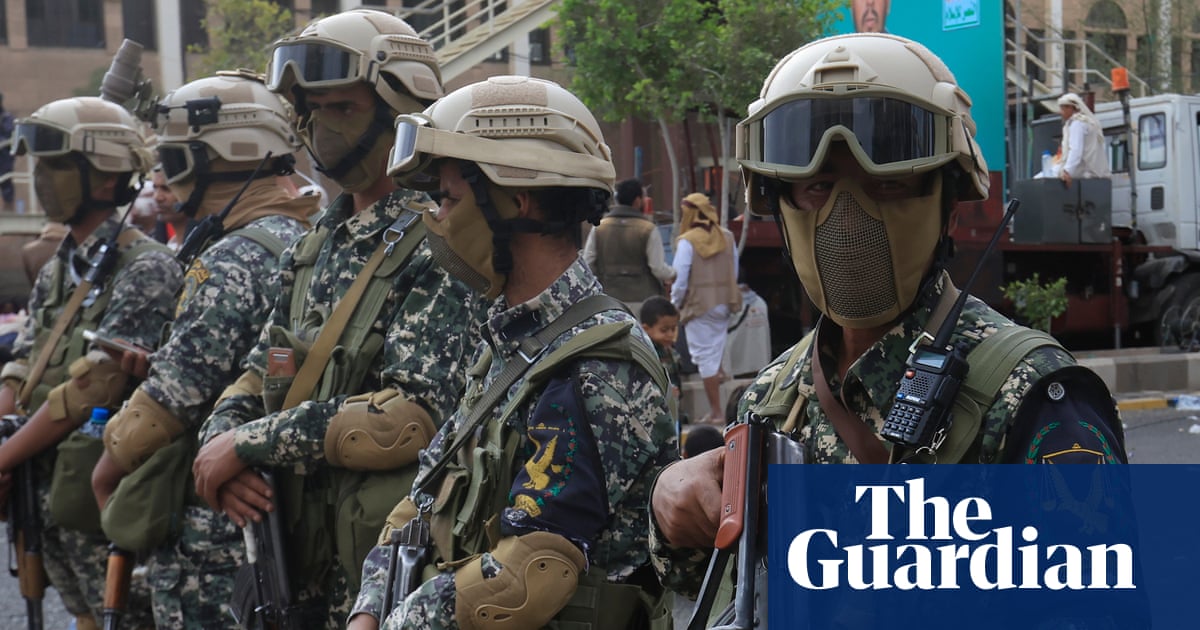
The ongoing tensions between Israel and Iran have shattered any potential for diplomatic resolutions in the region. By tying any ceasefire between the U.S. and Iran to the cessation of hostilities in Lebanon with Hezbollah, Iran has exacerbated conflicts between Israel and Washington. The Houthis in Yemen, with their historical ties to Iran, have demonstrated their capability to target Israel, albeit with limited impact, while still threatening international shipping in the Red Sea. Despite their chain of command leading back to Tehran, the Houthis have shown independence in their military decisions.
In Iraq, Iran-backed Shia militias flexed their muscles during recent conflicts but primarily resorted to drone and rocket attacks without ever fully committing their offensive capabilities. Internal Iraqi politics and the threat of U.S. retaliatory strikes have made these factions more cautious than Iranian leaders would prefer. As tensions mount, the unpredictability of armed groups can easily lead to increased violence and instability.
Failed Mobilization and Regional Struggles
Initial attempts by the U.S. and Israel to mobilize Iran’s ethnic minorities—targeting the Arabs from southwestern Iran and the Baloch from the southeast—proved largely ineffective. Although plans existed for these groups to cross into Iran with U.S. support, internal community dynamics and a lack of sufficient fighters hindered any significant action. Former officials noted that a longstanding strategy, which saw Kurdish fighters set to invade Iran, was ultimately stalled by complicated international relationships and political considerations.
Moreover, Israeli intelligence services are reportedly providing support to new Druze militia in Syria, signaling a continued reliance on proxy forces in a turbulent landscape. Despite calls for disarmament and a focus on bolstering state authority to curb instability, the temptation to engage proxy groups remains strong among regional powers, as seen in conflicts in Syria and Libya.
In conclusion, the growing instability across the Middle East underscores the precarious balance of power. While Gulf leaders seek reassurances against Iranian actions, the inability to disband militia groups and the continued reliance on proxies pose challenges to achieving lasting peace. Analysts warn that leaning on such factions can lead to further damage and complicate already volatile situations. The region stands at a crossroads, with significant decisions ahead in navigating these complex relationships.