
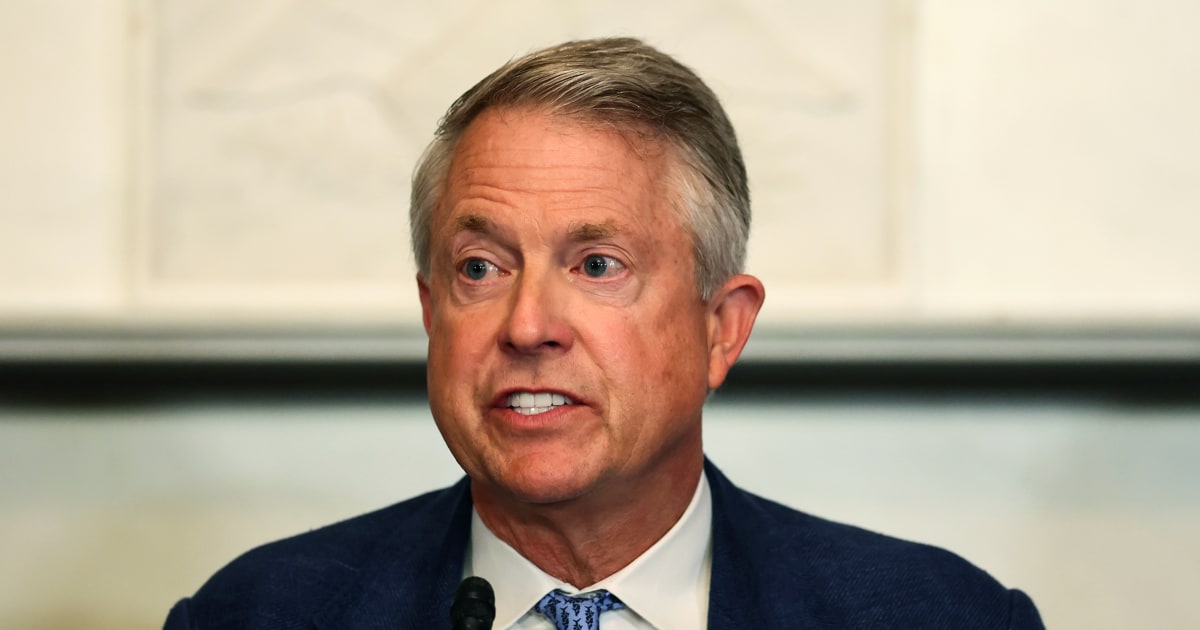
Senator Roger Marshall of Kansas recently provided insights into the latest developments in U.S.-Iran tensions, describing the current phase of conflict as primarily a “mop-up operation.” His remarks came in the wake of new U.S. military actions targeting Iran, following a recent memorandum aimed at de-escalating hostilities between the two nations.
Understanding the Current Military Engagement
Marshall remarked during an appearance on NBC News’ “Meet the Press” that the main military confrontation appears to be drawing to a close. He emphasized the necessity of a robust response if Iran engages in hostilities against the U.S., advocating for a retaliatory strategy that goes beyond mere proportionality. “If they strike us, we must respond with tenfold force,” he asserted. His comments highlight a commitment to American defense interests while reflecting a strategic mindset in countering any Iranian provocations.
This dialogue follows a week marked by increased U.S. military operations against Iranian targets. The U.S. Central Command reported that these retaliatory strikes were initiated after Iran targeted an American vessel in the strategically vital Strait of Hormuz. The Pentagon later confirmed further strikes on Iran, aimed at locations associated with Iranian aggression against U.S. forces in the region. As such, it poses questions about the ongoing state of conflict and the mechanisms in place to ensure regional stability.
Broader Context of U.S.-Iran Relations
The Kansas senator connected these military actions to a broader framework for achieving peace in the region, referencing a recent agreement brokered by Secretary of State Marco Rubio involving Israel and Lebanon. Marshall pointed to this as a sign of progress toward U.S. objectives, asserting that the overarching goals remain the prevention of nuclear proliferation in Iran and the reduction of prolonged military engagements overseas. “We need to lower the costs of gas and groceries for American citizens,” he noted.
Marshall’s remarks also call upon the American public to support the current administration’s foreign policy efforts. He underscored the importance of uniting behind the Trump administration, rather than fostering division, as the U.S. navigates this complex geopolitical landscape. He expressed optimism regarding the steps being taken, portraying them as essential to achieving lasting goals for national and economic security.
The Ceasefire and Domestic Political Considerations
When questioned about whether the war with Iran has truly ended, Marshall expressed a cautious perspective, comparing the situation to a détente or ceasefire that has been violated by Iranian actions. He urged Americans to remain resilient, suggesting that the current hostilities are part of an ongoing negotiation process where respondings are necessary to maintain a strategic advantage.
In the realm of domestic policy, Marshall tackled concerns regarding the Trump administration’s commitment to making life more affordable for Americans, particularly amid discussions about a bipartisan housing affordability bill that faced delays. He argued that prioritizing crucial legislative measures, such as the SAVE America Act, takes precedence for the administration. This legislation aims to enhance election security and integrity, positioning voter ID requirements at the forefront of considerations.
Marshall asserted, “Housing is part of the puzzle, but this is classic Donald Trump negotiation style,” emphasizing the need to leverage various political points for achieving broader objectives. He remains optimistic that both affordable housing solutions and election integrity can coexist within the legislative framework, indicating a balanced approach to solving pressing issues for American families.
In conclusion, Senator Roger Marshall’s insights reflect a multifaceted approach to U.S.-Iran relations, emphasizing both military readiness and the significance of domestic policy impacts stemming from ongoing negotiations. As tensions evolve, it is clear that the path forward involves a careful blend of strategic military engagement and political maneuvering at home.