
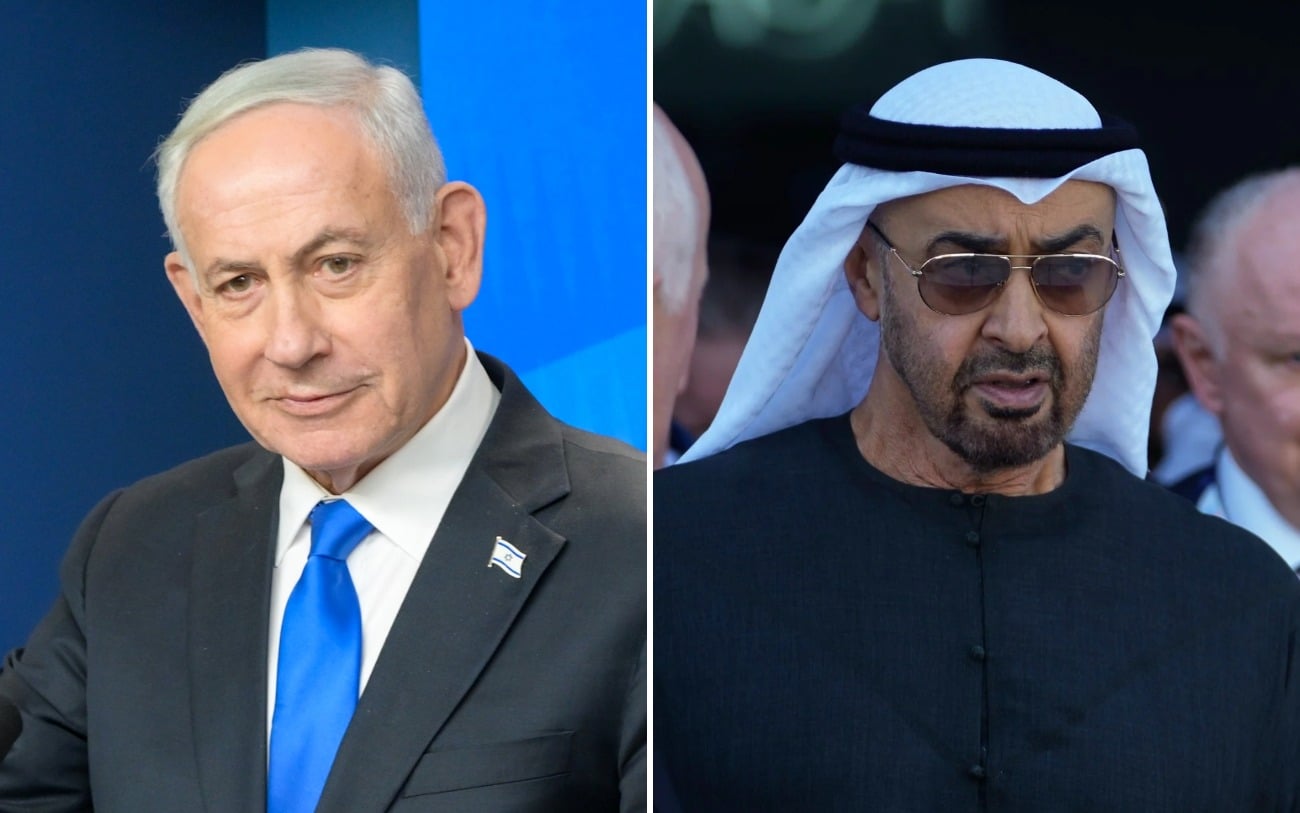
The ongoing conflict involving the US-Israel alliance against Iran has caused notable strain on diplomatic relations in the Gulf, particularly for the United Arab Emirates (UAE). As one of Israel’s primary Arab allies, the UAE has found itself navigating a complex web of military, political, and diplomatic challenges amid rising tensions with Iran.
Shifting Alliances and Regional Dynamics
In light of escalating confrontations with Iran, the UAE has forged stronger military ties with Israel. This collaboration spans both defensive and offensive strategies, driven by a need for improved security amidst Iranian threats. However, these actions also complicate the UAE’s longstanding role as a supporter of the US-brokered Abraham Accords, which aimed to normalize relations between Israel and several Arab nations. The UAE’s involvement with Israel has increased its vulnerability in the face of Iranian aggression, pushing the emirate to reconsider its approach to Tehran and its relationship with Washington.
Experts suggest that Washington’s recent diplomatic efforts, which involve engaging with the Iranian government, have nudged Gulf states toward a more conciliatory stance vis-à-vis Tehran. This shift complicates the UAE’s relationship with both the US and Israel, as trust in American military support diminishes. Consequently, the UAE finds it increasingly difficult to openly endorse its partnership with Israel while also managing its geopolitical realities involving Iran.
Challenges in Public Diplomacy
Public relations between Abu Dhabi and Jerusalem have become increasingly challenging, particularly after Israeli Prime Minister Benjamin Netanyahu resumed leadership. His government’s right-wing orientation has amplified concerns in Abu Dhabi regarding Israeli policy, particularly around sensitive issues like the Temple Mount and Palestinian affairs. While the UAE has expressed a commitment to normalization with Israel, domestic and regional sentiments favoring the Palestinian cause are complicating the UAE’s position.
The recent conflict in Gaza has underscored these tensions, as the UAE openly condemned a lack of strategic clarity from Israel regarding post-war approaches. Despite these challenges, the UAE’s view on security cooperation with Israel remains favorable, largely due to heightened Iranian threats. Experts argue that while Emirati officials may express frustration toward Israeli policies, their understanding of regional security threats keeps them engaged with Israel.
Complexities of Cooperation Amidst Conflict
The ongoing war has not conclusively pushed the UAE to abandon its relationship with Israel, yet it has illuminated the complexities of navigating these alliances. Iranian attacks, particularly against the UAE, have underscored the necessity of security partnerships, which provides a silver lining for cooperation with Israel. UAE officials have even sought Israeli military assistance, including the deployment of an Iron Dome battery, further illustrating the interdependence forged in the fire of regional conflict.
Despite this military cooperation, the UAE must tread carefully. There remains apprehension regarding the political fallout of close ties with Israel, particularly as the domestic perception of Israel varies broadly across the region. Recent incidents, such as Netanyahu’s unapproved visit to the UAE during the war, exemplify the delicate interaction between military collaboration and the optics of regional diplomacy.
Long-Term Considerations in UAE-Israel Relations
Looking ahead, the future of UAE-Israel relations will largely depend on the outcomes of forthcoming Israeli elections and potential shifts in government policies. While Emirati leaders retain interest in various areas of cooperation, including technology and agriculture, they also harbor concerns over the current Israeli government’s approach to the Palestinian situation and broader regional dynamics involving Iran.
Ultimately, the UAE is at a crossroads, balancing its strategic needs for security partnerships with Israel against its necessity to maintain a stable relationship with Iran and respond to domestic expectations around the Palestinian issue. As geopolitical conflicts evolve, so too will the fabric of alliances and the strategic calculus in the Gulf, making careful navigation essential for the Emirati leadership.