
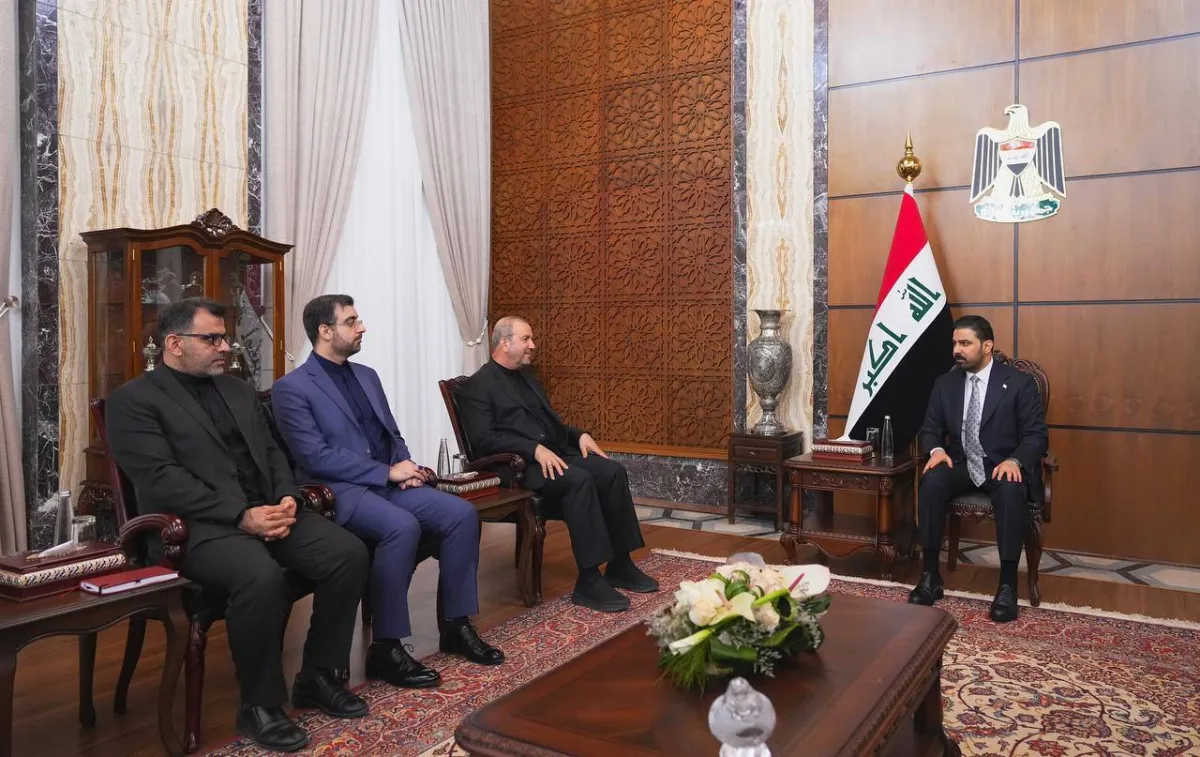
Iraqi Prime Minister Ali al-Zaidi has been signaling a desire to strengthen relations with the United States ahead of an important visit scheduled for mid-July. Analysts view this move as part of the Iraqi government’s strategy to create a robust economic and security partnership with Washington while simultaneously managing its ties with Iran.
Strategic Reorganization of Iraq’s Foreign Relations
U.S. Secretary of State Marco Rubio has indicated that the Iraqi government has been sending constructive feedback regarding armed factions, particularly concerning the strategy to consolidate weapons under state control. This initiative aims to disarm various armed groups, an essential step in stabilizing the country. Al-Zaidi has publicly urged these factions to engage with the state rather than operate independently, underscoring his government’s commitment to disarming militias that exist outside of official military institutions.
During his remarks, al-Zaidi emphasized the importance of forging a “strong economic partnership” with the United States. He also clarified that Iraq’s relationship with Iran would be based on respect and mutual interests, reflecting a balancing act in Iraq’s foreign policy. “Iraq does not accept dictates from any party,” he stated, reinforcing that any decision made would always prioritize the interests of the Iraqi people. This clarity suggests that Iraq is working toward a partnership with the U.S. grounded in its own needs, without compromising relationships with neighboring countries.
Regional Dynamics and Iraq’s Position
Al-Zaidi is approaching his upcoming Washington visit amid a volatile regional landscape, especially following recent conflicts such as the Israel-Iran war. Iraqi researcher Muhanad Seloom noted that the Prime Minister aims to cultivate a strong and multifaceted partnership with the U.S., which he views as beneficial for combating corruption and controlling militias. According to Seloom, there is considerable support among the Iraqi populace for initiatives aimed at restricting the power of armed factions.
Political science expert Talib Muhammed Karim stresses that while al-Zaidi won’t be initiating an offensive against militias during his visit, he will focus on reinforcing the state’s authority and controlling the arms distribution legally. His strategy is to foster internal consensus strengthened by both regional and international support. Karim asserts that reducing Iranian influence in Iraqi affairs requires building stronger state institutions and diversifying the economy, rather than relying solely on external pressure or political decrees.
Understanding the U.S. Perspective
A different viewpoint offered by political science professor Abbas Abboud Salem emphasizes that the current political landscape in Iraq is influenced by various competing factions and should not rely solely on the agenda of one individual. He argues that U.S. attitudes towards Iraq have transformed over time, shifting from direct military presence toward managing Iraq as a zone of influence, primarily in relation to Iran. The current geopolitical landscape is compelling Iraq to rebuild closer ties with the U.S. to navigate challenges and minimize losses from the evolving regional order.
In conclusion, the forthcoming meeting between Prime Minister al-Zaidi and U.S. officials will be pivotal for Iraq’s future. The real measure of success will not be whether conflicts arise with armed factions but rather if Iraq can secure international backing for state-led projects aimed at boosting economic stability and fortifying sovereignty. The developments in these relationships will resonate throughout the region, influencing the intricate balance between Iraq, the U.S., and Iran.