
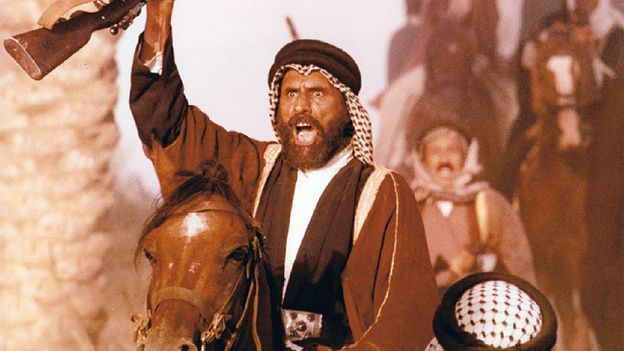
Navigating the complexities of international logistics during tumultuous times can be a daunting task. This was particularly true for documentary filmmaker Jorephani during World War I, when attempts to transport essential filmmaking equipment faced significant hurdles.
Challenges of Transporting Filmmaking Equipment
Jorephani recounted a frustrating encounter with Turkish officials, who insisted on maintaining neutrality during the conflict. Their refusal to allow passage for critical filming materials only added to the difficulties he already faced. Despite his best efforts to clarify that the equipment was intended solely for film purposes and posed no threat, officials remained adamant. This misunderstanding highlights the challenges filmmakers encountered in securing permits and cooperation from governments entrenched in wartime policies.
To circumvent the blockade, Jorephani and his team had to embark on a convoluted journey. They resorted to transporting their cargo through Greece, utilizing ships to navigate the obstacles presented by the Turkish stance. The route then took them across Lebanon and Syria, two countries whose political climates were far more favorable towards Iran than towards Iraq at that time. Each leg of the journey introduced new complexities, making their mission increasingly arduous.
The Frustrations of Logistics in Wartime
The trek across the desert to Baghdad was not just a logistical nightmare; it was a testament to the lengths filmmakers would go to anchor their narratives amid adversity. Every delay further fueled Jorephani’s frustration, revealing a stark contrast between the creative intentions of artists and the often rigid realities of geopolitical tensions. It serves as a powerful reminder of how artistic expression can be stymied by the surrounding chaos of global conflicts.
Moreover, navigating such challenges required immense resilience and adaptability. The filmmakers not only had to deal with bureaucratic red tape but also the unpredictable conditions of their travel route. Weather, regional tensions, and the basic logistic demands of transporting heavy film equipment all played a role in shaping their experience.
Lessons Learned from the Journey
These experiences yielded important lessons for both Jorephani and others involved in film production during wars. Flexibility became a key virtue, as plans often had to change on the fly based on real-time conditions. Additionally, building relationships with local contacts became crucial for facilitating transport and ensuring safety amid the chaos. Whether through negotiation or simply mutual understanding, the ability to engage with local authorities could significantly impact the success of such endeavors.
In retrospect, the challenges Jorephani faced may have transformed him into a more resourceful storyteller, influencing how narratives are presented within the documentary landscape. This saga exemplifies the broader struggles faced by artists striving to bring their vision to life against the backdrop of conflict, ultimately highlighting the intersection of creativity and logistical complexity in wartime filmmaking.