
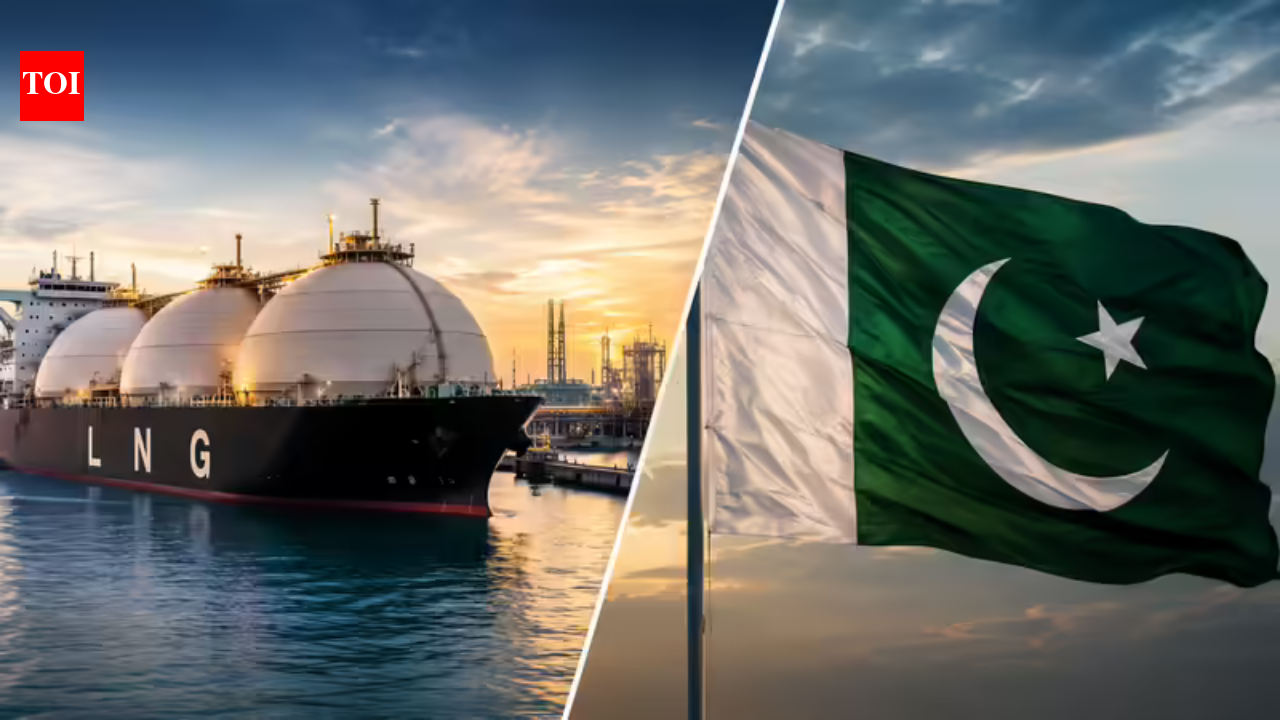
In response to the ongoing crisis in the Middle East, Pakistan has shifted its strategy regarding liquefied natural gas (LNG) procurement. Previously cautious, the nation is now aggressively sourcing spot LNG, notably under challenging circumstances with Qatari exports being compromised. This change is driven by urgent supply needs as market conditions tighten.
Pakistan’s Urgent Shift in Energy Procurement
Recent geopolitical tensions have strained LNG shipments through the vital Strait of Hormuz, a conduit for approximately 20% of global LNG. Recognizing the critical state of affairs, Pakistan’s state-owned energy authority, Pakistan LNG, has issued an immediate tender for LNG delivery. Reports indicate that the country is willing to pay a premium for this cargo, with costs surpassing Asia’s typical spot LNG prices. Specifically, an urgent request for delivery was placed from BP Plc at $16.74 per million British thermal units, amidst broader market prices that range in the $15s.
Pakistan’s energy supply chain has been increasingly tenuous, primarily due to disruptions from its main LNG supplier, Qatar. The situation escalated following attacks on vessels in the Strait of Hormuz, leading to a notable slowdown in Qatari LNG exports. This ongoing supply issue has forced Pakistan into the spot market more than once, as it attempts to hedge against the growing uncertainty surrounding energy availability.
Escalating Costs and Recurring Supply Interruptions
This latest round of purchasing activity emerges amid earlier disruptions that have inflated costs for LNG imports. For instance, a canceled shipment highlighted the necessity for Pakistan LNG to pivot towards emergency spot tenders. Recent transactions have seen Pakistan securing LNG at record prices, marking the highest expenditure since 2022. Such purchases reflect the volatility of the current energy market and underscore Pakistan’s return to the spot market after a brief respite.
Despite its reliance on Qatari imports, recent events have curtailed shipments to levels significantly below the country’s needs. Although some cargoes continue to navigate through the Strait of Hormuz, the overall volume remains low, straining the domestic energy framework. Historical data indicates a stark decline in LNG arrivals compared to previous years, reinforcing the urgency for Pakistan to secure reliable energy sources amidst this tumultuous backdrop.
The Economic Impact of Rising Energy Prices
The combination of rising LNG costs and geopolitical instability is contributing to economic pressures within Pakistan. The latest consumer price index data reveals an increase of 11.7% year-on-year as of May, with energy import prices being a significant factor. This escalation in living costs has triggered reactions from public sector groups, such as the All Government Employees Grand Alliance, which has called for financial relief as purchasing power diminishes.
In sum, the pressures exerted by the Middle East crisis continue to affect global energy markets, imposing challenges that resonate deeply within Pakistan’s own economic landscape. Their reliance on increasingly expensive spot market purchases not only threatens energy security but also adds a layer of complexity to the country’s already strained finances. The situation is a reminder of how interlinked global energy dynamics can impact national economies, especially in regions heavily reliant on external sources of supply.